
Anthropic’s IPO Is a $2 Trillion Bet on a Story. The Same Move That Builds a Business Can Sink One
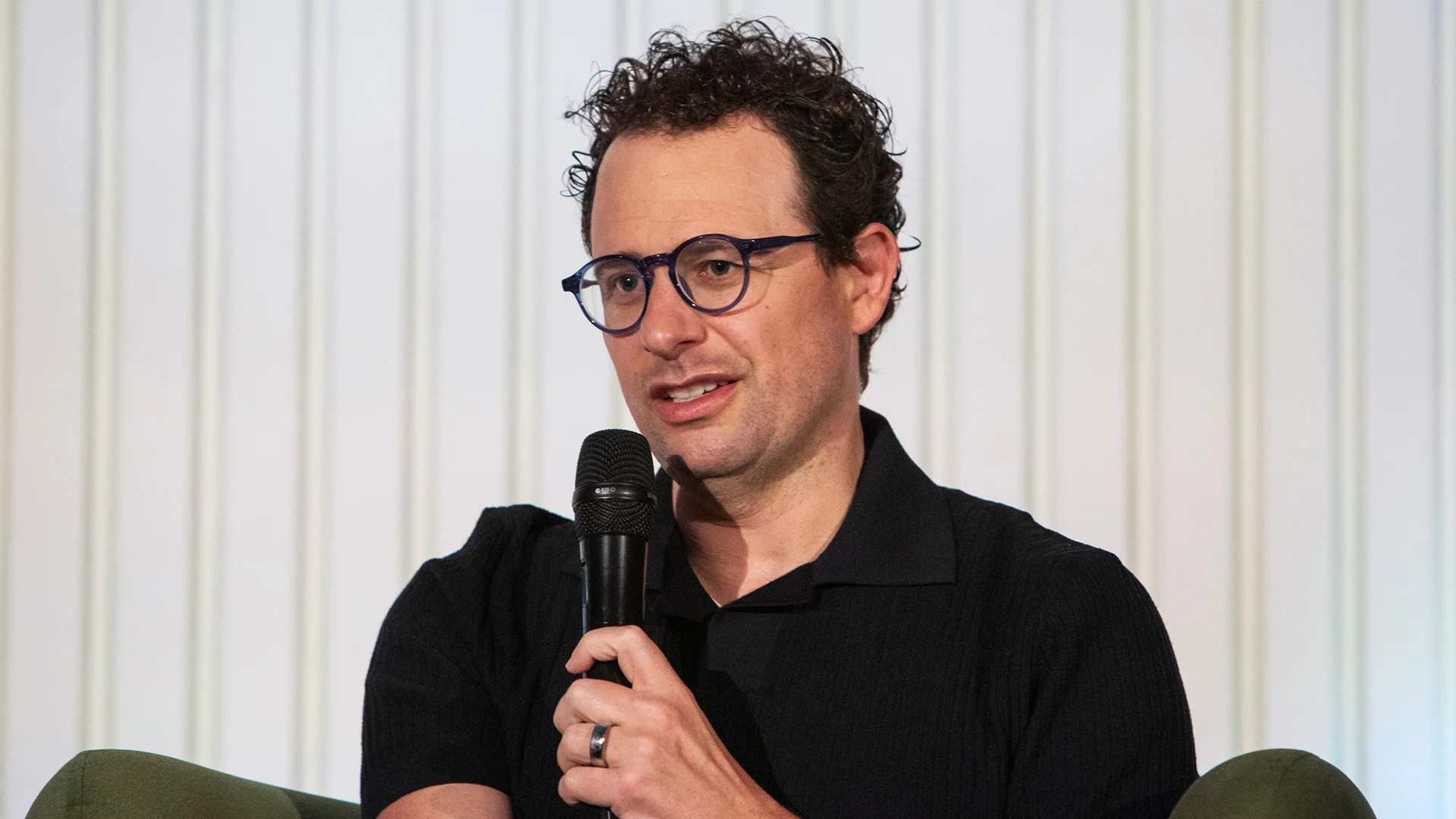
A company with little revenue is being valued at nearly $2 trillion because people believe in its future. But the same story that helps a business grow can also cause it to fail almost overnight.
EXPERT OPINION BY MICHAEL TASNER, FOUNDER & CEO
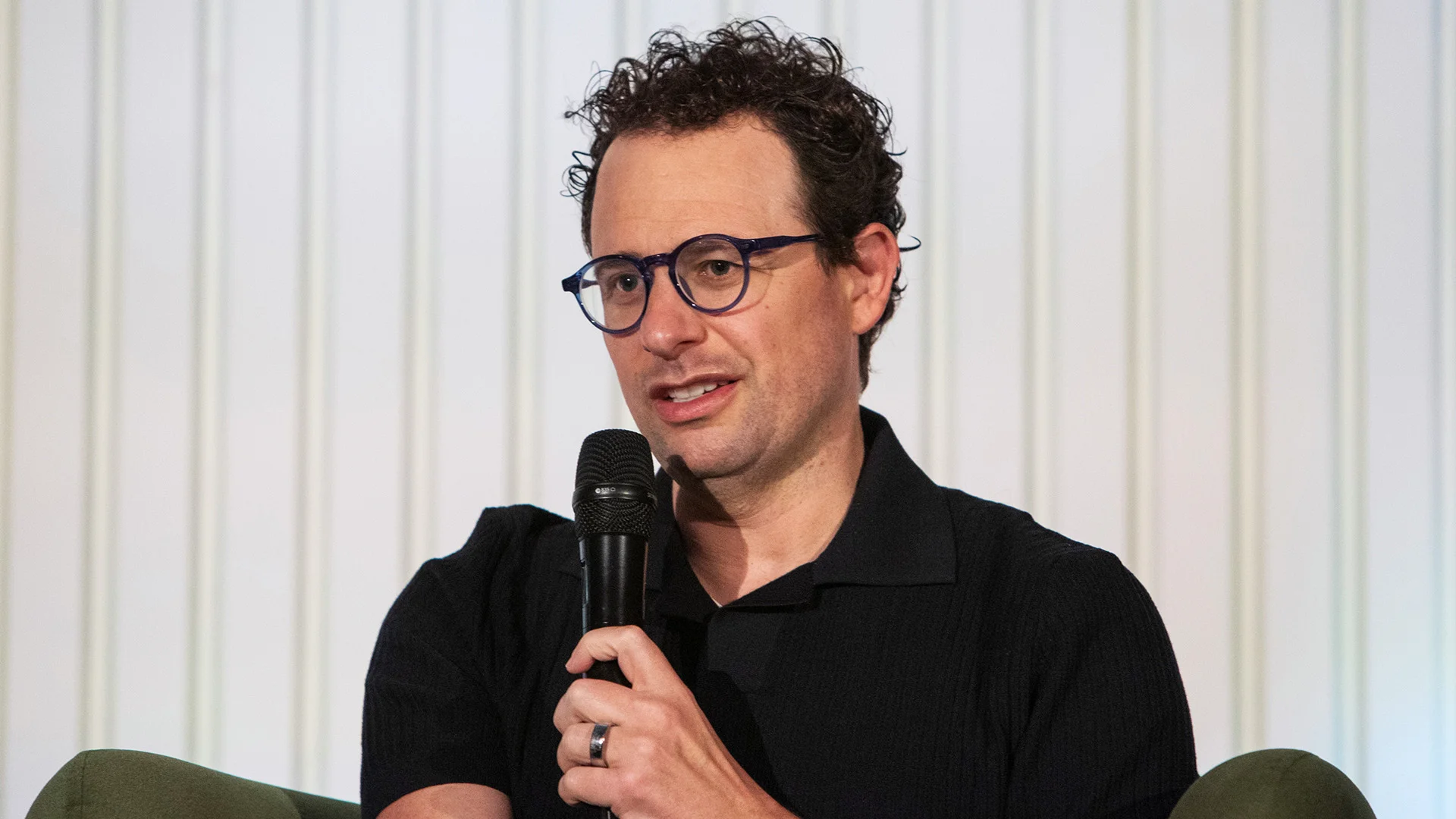
Anthropic CEO Dario Amodei. Photo: Getty Images
The artificial intelligence company Anthropic filed paperwork to sell shares to the public this week. The value people put on the company is causing a strange divide. Depending on whom you ask, it is worth about $2 trillion or closer to $150 billion. This is not a small difference caused by rounding. It is one of the biggest gaps between estimates of a company's value you are likely to see. The difference comes down to one thing: whether people believe the story about its future.
That is what an IPO, or initial public offering, like this is really about. The company is not being valued based on how much money it makes today. It is being valued based on what people believe it will become. Whatever you think about AI or Anthropic itself, this difference teaches an important lesson about the most valuable and most dangerous thing a business owns: its story.
Your story is the most valuable thing you own
Let's start with the good side of a strong story, because many business owners do not understand how valuable it can be. The numbers in your profit and loss statement show people where your business stands today. Your story tells them where you are going. That future is what they are really buying into. Investors put money into a business because of where they think it is headed. Great employees join because they believe in its direction. Customers are also more likely to choose a brand when they want to be part of what it is trying to achieve.
Being able to tell a good story is not just a nice extra skill. It can make a company worth much more than its current financial numbers suggest. Anthropic does not make anything close to $2 trillion today. No one is claiming that it does. Its value reflects a bet on a future that many serious people believe will happen. That is the power of a story. When you tell it well and support it with real progress, people can see your future value today. This helps you raise money, hire people, and grow your business. I often see founders do the opposite. They are so afraid of making promises they cannot keep that they fail to explain a future they could realistically achieve. If you only talk about what your business does today, you miss a major chance to help it grow.
And it’s the most dangerous thing you own
Now consider the other side, which people often forget when markets are doing well. The same story that lifts a business up can also bring it down.
We have seen an extreme example of this with Theranos. The company raised about $900 million by telling an exciting story about blood tests that could be done without pain. But the claims were not supported by what the company could actually do. When the truth came out, the story that had helped build the company helped destroy it. Most cases of promising too much are not so dramatic. But the same thing happens, just more slowly and quietly. Many smart people are looking at Anthropic's IPO and calling it ridiculous and asking how much investors are willing to believe. They are not necessarily against AI. They are pointing out the gap between the company's story and what it can actually deliver. Here is the rule to remember: every step your story takes beyond what you can really deliver makes your business more fragile. When people value your company based on its story, they judge it against that story, not against a lower standard. A brand is only as strong as the experience people have when they actually use it. If reality does not match the promise, the story that once helped your business becomes a problem. A broken story costs you future opportunities and people's trust. The market punishes a broken promise much more than it rewards a good story.
The line between a vision people fund and hype they flee
So where is the line? This does not mean businesses should think small or stop talking about their future. It means they need to know exactly when ambition turns into promising more than they can deliver.