
FBI probes possible Saudi economic espionage at OpenAI
FBI probes possible Saudi economic espionage at OpenAI
Akbar Novruz
Read moreThe Federal Bureau of Investigation (FBI) is looking into whether it can bring more charges for economic espionage against a Saudi citizen accused of secretly recording conversations in an executive meeting room at OpenAI's headquarters in San Francisco, according to The Wall Street Journal (WSJ).
Abdulrahman Alfozan, a 35-year-old Saudi citizen and legal permanent resident of the United States, already faces federal charges. He is accused of hiding a recording device in a meeting room often used by senior OpenAI executives.
A law enforcement official quoted by the WSJ said investigators are looking into whether Alfozan may have obtained private company information to give to the Saudi government. They are examining this possibility even though there is no claim that he was formally recruited to spy.
The investigation has not shown that Alfozan gave company-owned information to Saudi officials. Officials warned that the investigation might not lead to any additional charges.
Alfozan's lawyer, William Pernik, told the newspaper that federal authorities had not informed him of any possible new charges.
Hidden recording device found in executive meeting room
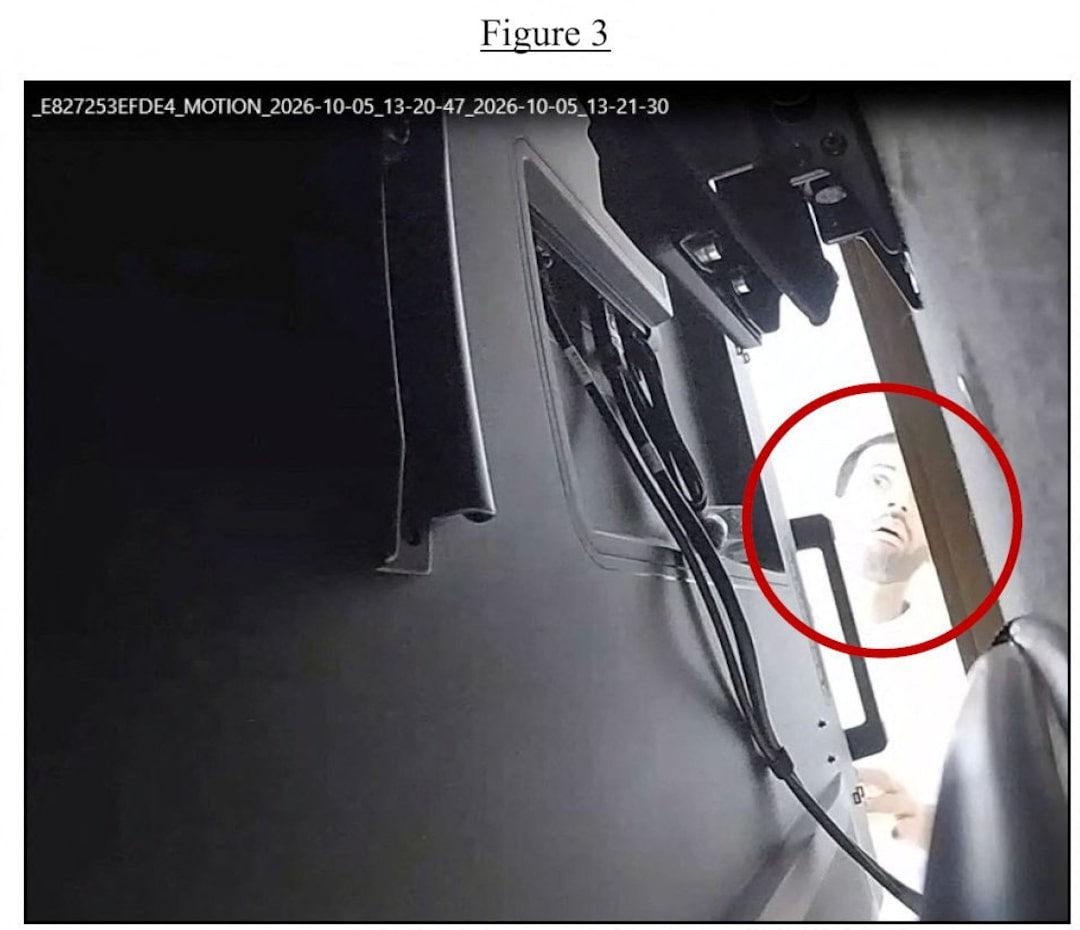
Federal prosecutors say Alfozan was arrested earlier in October after he allegedly placed a hidden recording device in an executive meeting room at OpenAI's offices in San Francisco.
Investigators say he wrapped a device about the size of a thumb, fitted with a microphone and camera, in toilet paper and plugged it in behind a television in the meeting room.
The room was reportedly used mainly by senior company executives. This raised concerns that private company discussions may have been recorded or exposed.
Alfozan has been charged under a federal law that governs recording. If found guilty, he could face up to five years in prison.
His next court appearance is scheduled for November 6.
Investigators look into reported links to Saudi royal family member
The investigation has also focused on Alfozan's reported messages with a member of the Saudi royal family.
Federal prosecutors say court documents show that the engineer was "in frequent communications via WhatsApp with a member of the Saudi royal family" throughout 2025 and 2026.
The unnamed person reportedly urged Alfozan to join an artificial intelligence project being developed in Saudi Arabia.
According to the court filing, the royal family member reportedly wrote to Alfozan, "Saudi needs you more than [sic] the US!"
Alfozan allegedly replied, "100," showing agreement. However, he reportedly said he would not leave OpenAI until his company shares had vested, meaning he had met the conditions to fully own them.
Investigators are looking into whether these messages are connected to the alleged recording activity.
However, these reported messages do not prove that the Saudi government ordered or took part in the alleged actions.
OpenAI looks into possible company or government-backed spying
A person familiar with the investigation told the WSJ that OpenAI is trying to find out whether the incident involved spying for another company or intelligence gathering that may have been backed by a government.
The case has raised concerns about how major artificial intelligence companies protect private information, especially as countries compete more intensely to develop advanced AI technology.
According to the report, the Saudi Embassy in Washington and OpenAI declined to comment on the allegations.
Federal authorities have not announced any economic espionage charges against Alfozan. The law enforcement official quoted by the WSJ said the investigation could end without any further charges being brought.
Alfozan still faces the existing federal charge related to recording. The allegations against him have not been proven in court.