
OpenAI Turns to Rival Google to Buy Custom AI Chips
Android Headlines / Tech News / Artificial Intelligence News
Summary
OpenAI reportedly plans to buy Google's special AI chips, called Tensor Processing Units, directly. This would give it more computing power and reduce its dependence on Nvidia's hardware. Meanwhile, major tech companies plan to spend a combined $600 billion on AI infrastructure in 2026.
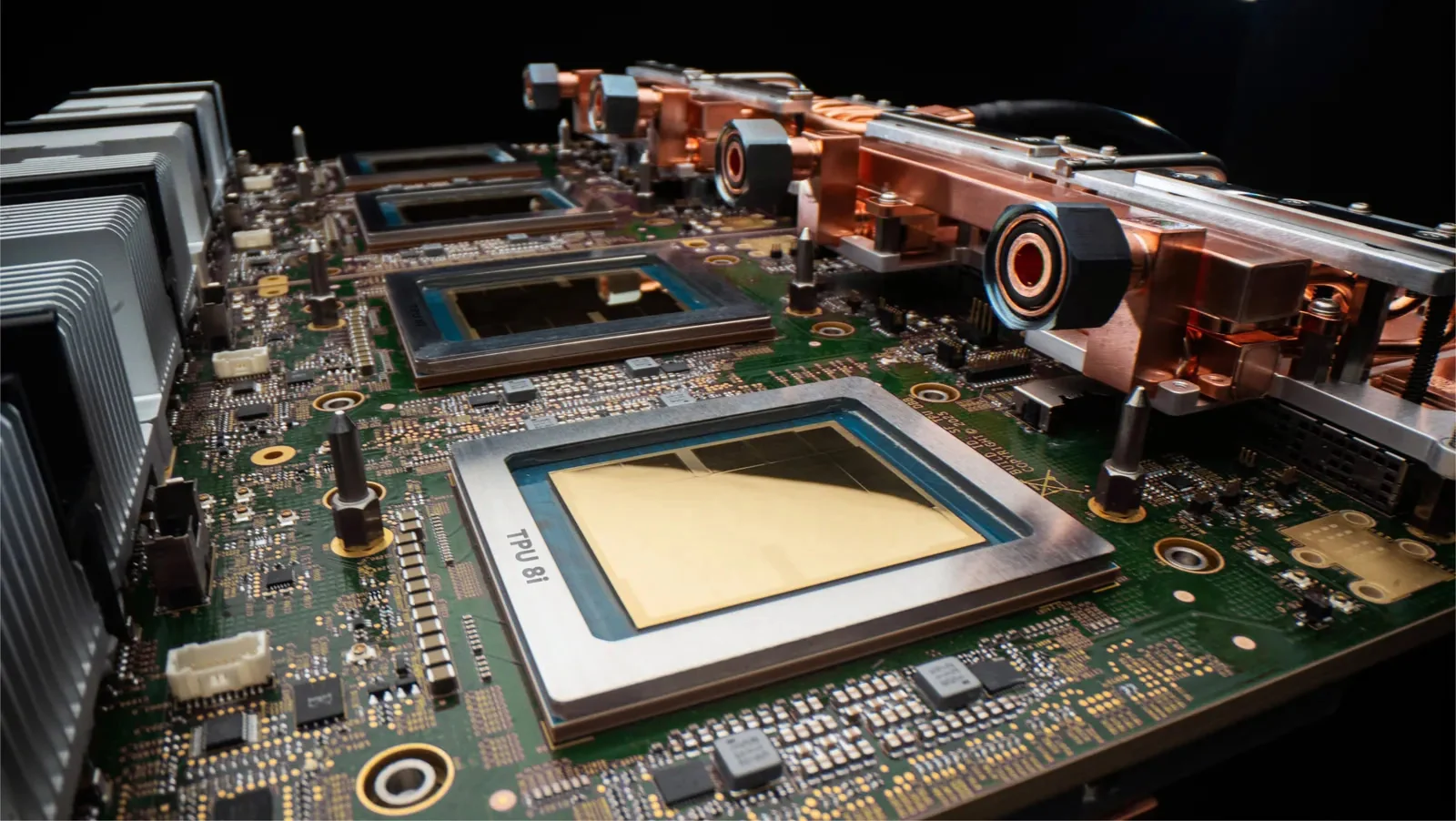
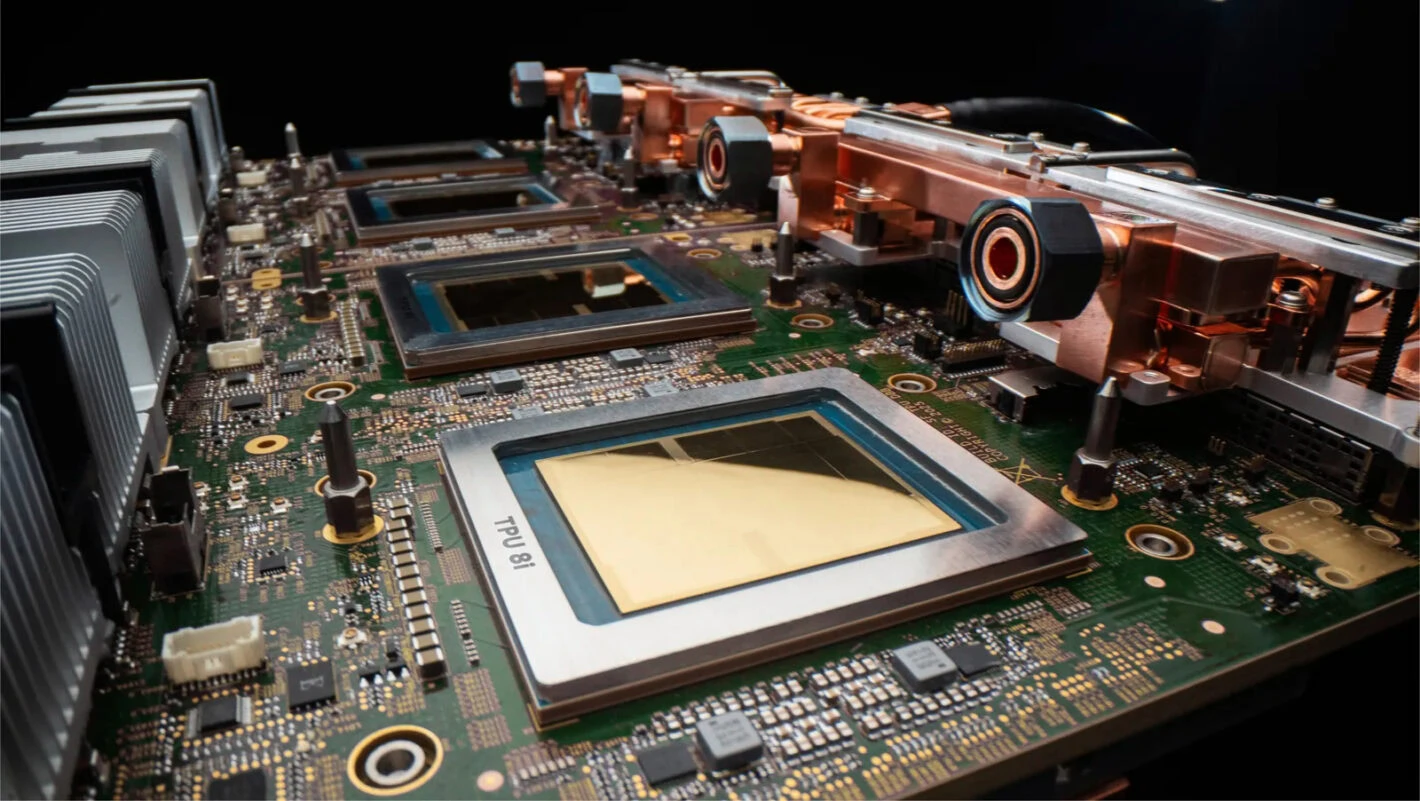
OpenAI wants to buy AI chips directly from Google to keep its AI models running. Access to Google's Tensor Processing Units (TPUs) would give the company behind ChatGPT more computing power while demand for servers remains high. Depending on just one hardware supplier has caused problems for months, so buying extra chips from other suppliers makes sense.
The Information reports that OpenAI plans to buy Google's TPUs directly instead of only renting time on cloud servers. This would expand the growing business relationship between two major AI rivals. They recently agreed to run OpenAI's software on Google Cloud. OpenAI first began renting Google's chips in June 2025, but the new plan would involve buying the physical hardware.
Less reliance on Nvidia and lower costs
OpenAI currently gets most of its graphics processing units (GPUs) from Nvidia, which controls more than 80% of the AI chip market. But when chips are hard to find or rental prices rise, depending on one supplier can leave software teams unable to get the hardware they need. Buying TPUs directly from Google could help OpenAI lower server costs and get more computing power.
Google began selling its custom chips to other companies, including Anthropic, Apple, and Citadel Securities, earlier in 2026. Selling TPUs directly gives Google a new business based on its own chip designs, alongside its cloud hosting services. A Reuters report says that tech companies such as Alphabet, Microsoft, and Amazon plan to spend up to $600 billion combined on AI hardware in 2026.
More hardware choices for future models
Buying Google's hardware is just one part of OpenAI's plan to build its own chip setup. The company is also working with Broadcom on a custom chip called Jalapeno, which it hopes to release by the end of 2026. Using Broadcom chips, Google TPUs, and Nvidia GPUs would give OpenAI three different types of hardware to train future AI models.
Spreading its chip orders across three suppliers would help OpenAI's software teams reduce the risk of problems, such as delays at a single factory.