
Former OpenAI Engineer Indicted in Office-Bugging Case
Abdulrahman Alfozan, a former OpenAI engineer, has been formally charged in a case alleging that he secretly recorded conversations between company leaders. His lawyers deny the claims.
- Secret recording: Former OpenAI engineer Abdulrahman Alfozan has been formally charged over claims that he secretly recorded private conversations between company leaders.
- Chatbot searches: Prosecutors point to questions about building a recording device, searches for meeting rooms and calendars, and a later visit to the room after the first device was removed.
- Held before trial: A judge ordered him to remain in custody to make sure he returns to court. His lawyers say the planned trip to Saudi Arabia was for family reasons.
- Unknown recordings: Investigators have not established what the device recorded or whether any recordings reached people outside OpenAI.
Former OpenAI engineer Abdulrahman Alfozan has been formally charged over claims that he placed a recording device to secretly capture private conversations between company leaders at the maker of ChatGPT, according to the San Francisco Chronicle. The indictment was issued on October 27 after an investigation into a device found behind a television in a conference room. Alfozan remains in federal custody.
The Chronicle reports that a federal grand jury charged Alfozan with the serious crime of illegally recording spoken conversations. Prosecutors say the alleged actions took place between September 28 and October 5. They also want the court to take away equipment they say was used in the alleged crime. An indictment is a formal charge made after a grand jury decides there is enough evidence for a case to move forward. It does not by itself prove that someone is guilty.
How Prosecutors Say the Recorder Was Used to Target Meetings
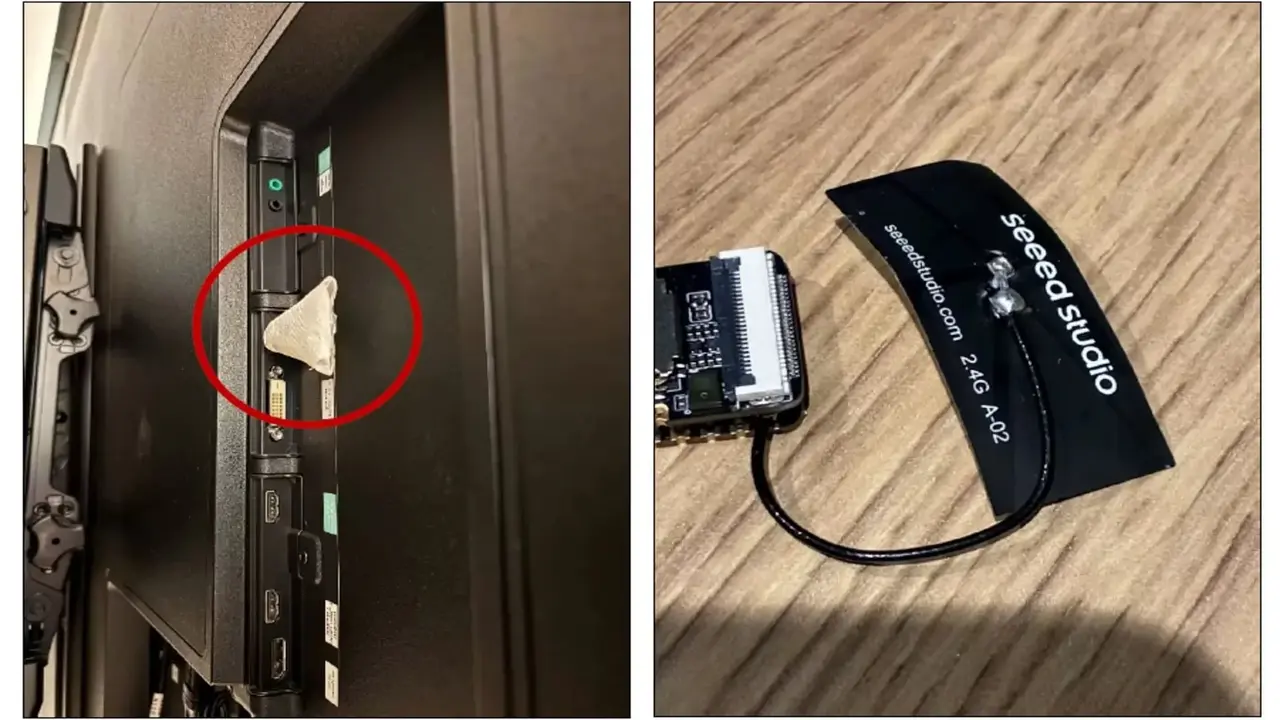
In a document filed on October 18 asking the court to keep Alfozan in custody, prosecutors said he placed a specially made audio recorder behind a television in an OpenAI executive conference room around September 28. They said company leaders used the room for meetings, technical discussions and briefings with government officials and business partners. These meetings included private talks about research and business plans. Prosecutors say Alfozan did not have permission to enter the room or attend the meetings. The detention memorandum explains why the government wanted him kept in custody.
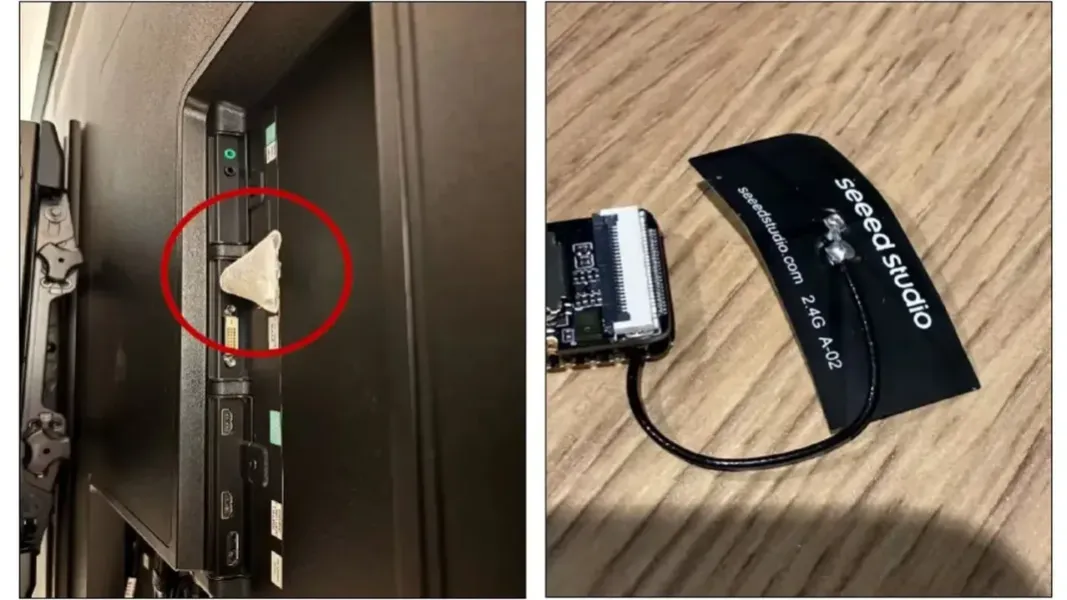
Prosecutors say that before the device was allegedly installed, Alfozan used an internal OpenAI tool to find executive meeting rooms and calendars. They also say the recorder stored its contents in encrypted form, meaning the information was changed into a coded form to make it harder for others to read or access.
Prosecutors also point to questions about how to build a recording device that were sent through a chatbot account registered to Alfozan's wife. They say that account shared identifying information with his own account. Some questions included details that matched the recorder later found at the office.
OpenAI staff found and removed the first recorder around September 30. On October 5, a security camera recorded Alfozan entering the room and apparently looking behind the television. In a separate incident, security staff opened a bag he had left unattended in another room. According to the Justice Department, they found his wallet, identification and a similar recording device inside the bag.
The FBI arrested Abdulrahman Alfozan, a 35-year-old Saudi engineer who worked at OpenAI, on October 9. He was accused of placing a recording device in an executive conference room at the company's San Francisco office. Prosecutors say he hid the device behind a television around September 28, and OpenAI's security team found it two days later. The Financial Times reported that the device was a cheap, Chinese-made product wrapped in toilet paper. OpenAI said it had "advanced encryption, audio monitoring capabilities" and a system for transferring data that was "designed to evade monitoring." Court documents that were recently made public say Alfozan, his wife and another family member had booked one-way travel to Saudi Arabia for October 12. FBI Director Kash Patel said the plan was meant to "capture sensitive communications about the company's super intelligence technology." Prosecutors have not claimed that a foreign government was involved. OpenAI fired Alfozan on the day he was arrested. People in Gulf countries who knew him described him to the Financial Times as a brilliant engineer and the father of a young daughter. They said they were shocked by his arrest. One person said, "He can't harm a fly." Another described him as a very quiet person whose mind always seemed to be elsewhere. He could face up to five years in prison if convicted.
— Drop Site (@DropSiteNews) October 15, 2026
At a court hearing on October 19, defense lawyer William Pernik said the room was open to anyone and that Alfozan had used it for meetings. His lawyers deny the claims that he secretly recorded conversations.
Why the Judge Ordered Alfozan to Remain in Custody
The FBI arrested Alfozan on October 9, three days before he was due to travel to Saudi Arabia with his wife and infant son. Prosecutors asked the court to keep him in custody. They argued that his connections abroad, financial resources and planned one-way trip created a serious risk that he would not return to face the charges.
The government also described efforts by an unnamed Saudi royal to recruit Alfozan for an artificial intelligence project. Prosecutors also pointed to questions he had asked about OpenAI's business activities in Saudi Arabia. At the October 19 hearing, Pernik said OpenAI had encouraged Alfozan to work on matters involving Saudi Arabia.
Prosecutors separately said that a Saudi military official paid for Alfozan's wife and son's travel after his arrest. According to court documents, the Saudi government also offered to pay his bail, which is money that may allow someone to leave custody while a case is ongoing.
In a request filed on October 16, Alfozan's lawyers said the trip had been booked on September 13, before the recording device was allegedly installed. They said the family planned to travel for family and immigration reasons. They argued that Alfozan planned to take parental leave and return to the United States after two months. His lawyers offered several ways to make sure he stayed available to the court, including home detention monitored by GPS, giving up his travel documents and providing financial guarantees.
U.S. Magistrate Judge Alex G. Tse nevertheless ordered Alfozan to remain in custody before trial. In a written decision dated October 21, the judge pointed to the one-way ticket, Alfozan's loss of his U.S. job after OpenAI fired him, his family's connections overseas and apparent support from the Saudi government. Tse decided that no set of release conditions would give the court enough confidence that Alfozan would return.
OpenAI's Response and the Wider Investigation
OpenAI said it had found no sign that customer data or source code had been accessed or taken without permission.
Before the indictment was issued, The Wall Street Journal reported that investigators were considering possible espionage or trade-secret charges. The report cited an unnamed law-enforcement official. Pernik said he had not been told that such charges were being considered.
Investigators have not yet established what the device recorded, whether any recordings were taken out of OpenAI or who, if anyone, received them.