
OpenAI releases new data center guidelines after communities approve moratoriums in midterm elections
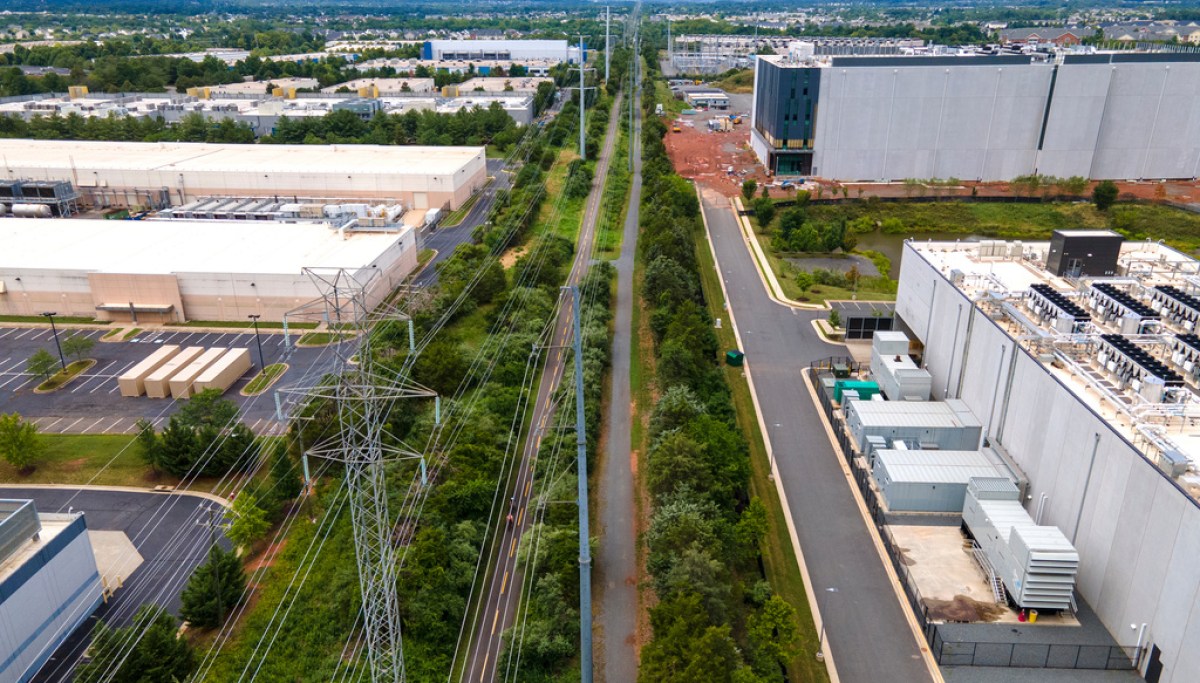
OpenAI announced a new plan on Thursday explaining how it will run its data centers and work with local communities. The announcement came after voters in the midterm elections strongly rejected the technology through ballot measures.
The company behind ChatGPT released two documents: a National Community Compact and a Compute Campus Policy Blueprint. They explain how OpenAI plans to run its campuses and give local residents a meaningful chance to speak up about proposed data centers.
“The communities that host this infrastructure should have a clear say in shaping their futures, too,” the company said in a news release. “Residents should be able to influence how a campus is developed, hold developers accountable for covering the cost of powering it, and share in the jobs and business opportunities it creates. How we build these campuses is one of the first tests of whether the benefits of AI will be broadly shared.”
The artificial intelligence company's community compact will apply to every future computing campus that OpenAI owns and operates. The company promises to work with local residents as they help shape data center plans. It will also provide a contact person whom community members can reach throughout the life of each campus.
The compact also promises that OpenAI will pay for the electricity it uses and protect local resources. The company says it will give priority to water systems that reuse and recycle water without regularly sending it outside the system. It also promises to advertise job openings and work with labor unions to provide job training for people who want to work at the campuses.
OpenAI also promises to report on the effects of building data centers. It says it will not use nondisclosure agreements, or NDAs, with public officials. These agreements have caused problems in some communities because residents felt they were not given enough information while projects were being planned and built.
“The blueprint calls for public reporting on water, energy, noise, and hiring, and for narrow limits on when developers can require public officials to sign NDAs,” the company said. “When states or local governments offer tax incentives, the terms should be public, with measurable commitments and a way to recover benefits if a developer falls short.”
Over the past year, more people have spoken out against data centers. Many worry that these facilities will increase local electricity prices, use too much water, and create noise. OpenAI has been aware of this opposition. The company has even started calling these developments computing campuses instead of data centers.
OpenAI announced its new policies after voters rejected data center development in 41 ballot measures across 10 states. Three of those measures called for a temporary stop to data center development. Over the past year, local governments have increasingly used these temporary bans, known as moratoriums, to slow construction and give themselves more time to create rules for data centers.