
OpenAI co-founder: "Only 5,000 people in the world have access to the most powerful AI"
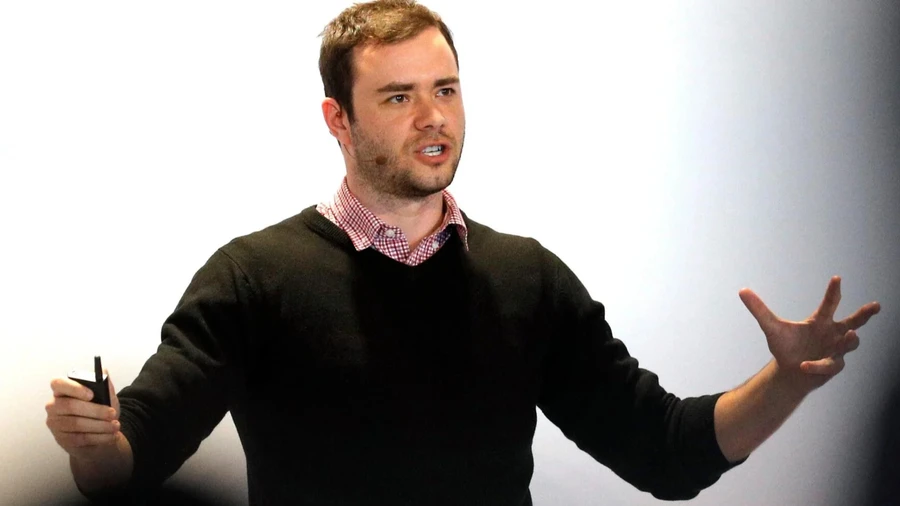

Researcher and scientist Andriy Karpati, who co-founded OpenAI and has also worked at Tesla and Anthropic, published a new post on X in which he assessed current trends in AI usage and described a growing 'gap in understanding of the technology' between ordinary and professional users.
According to his estimates, around 6 billion people have had almost no interaction with large language models, another 1–2 billion users open chatbots from time to time, and about 20 million use cutting-edge AI technologies professionally for work with mathematics and code. At the same time, only 5,000 specialists have direct access to the most powerful artificial intelligence within research laboratories.
"The external world has seen the preview. It looks like swarms of thousands of agents collaborating over weeks on software mega projects: minting zero days, running cyber attacks and defenses at machine speeds, discovering new science, advancing the frontier of mathematics. Things that would have taken top professionals in the industry years of work. Meanwhile, human review and comprehension are starting to fall behind."
According to Karpata, several factors shape the gap in understanding the technology. The first and most obvious relates to access to systems and pricing, while others concern the technology's uneven capabilities, as well as the ambitions and scale of the tasks set.
"The jaggedness of the system (which I have written about a lot separately). Capability peaks in domains that are digital, verifiable and economically valuable," writes Karpati.
The researcher says that ordinary users and researchers see different sides of the same technology. In an April post, he contrasted OpenAI's free voice mode, which allegedly "gets even the simplest questions about viral videos wrong", with the company's most powerful model, called Codex, which is capable of spending an hour reorganizing an entire codebase. At the same time, Karpati continues, most people do not entrust AI with sufficiently complex tasks.
"A question with a paragraph answer barely stresses the system," he wrote. " You need a reservoir of big, difficult problems that you really care about. This aspect drives the consumer / professional dimension of the funnel."
At the same time, professional use is constantly improving. The researcher recalls that a year ago he was writing code himself, occasionally using autocomplete, whereas by April he was already using agents that "solve programming tasks that would normally take days or weeks of work". In February, Karpati moved from using 'vibecoding' (lightweight coding with AI, a term he coined himself) to agent-based engineering, where developers spend more time managing agents and verifying their work than writing code.
"The general public has mostly not interacted with these systems. When they have, it looks like a derpy chatbot. The majority of professionals still see only a modest uplift. And a small sliver of professionals are experiencing the vertigo of the curve going vertical. And it is all happening at the same time."