
AI Data Center Boom Raises Energy, Water and Security Concerns
Why It Matters
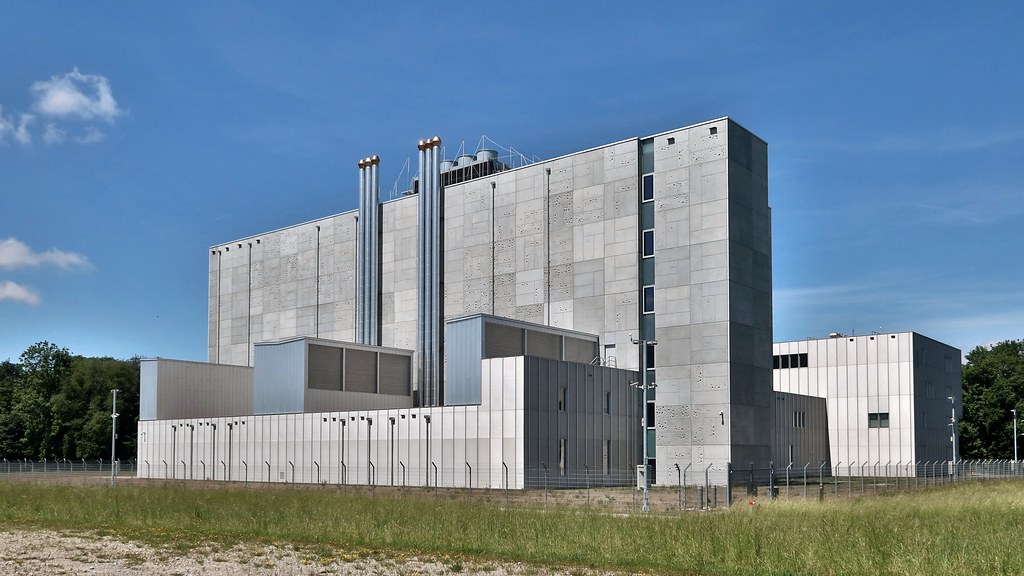
The fast growth of artificial intelligence data centers is raising concerns in Congress about electricity use, water use, utility bills and national security, according to a new Congressional Research Service (CRS) report.
Researchers say that the growing computing needs of more powerful AI systems have led to an unusually large amount of investment in data centers. The report estimates that the five largest cloud service companies will spend about $4.6 trillion on AI-related investments between 2022 and 2030.
Congress faces competing goals as the industry grows. Lawmakers may want to speed up the building of AI computing facilities to support new technology and help the United States stay competitive. At the same time, they are considering laws to protect local communities, require companies to share more information about their energy and water use, and address the costs of large data centers.
The Big Picture
Some AI researchers have found that AI models can perform better when they use more parameters, more training data and more computing power. These patterns are called AI scaling laws. They have helped increase demand for bigger and more powerful data centers.
Electricity use has become an important way to measure the size of a data center. An advanced graphics processing unit can use up to 1,000 watts of electricity. Some industry experts describe hyperscale data centers as facilities that can use more than 100 megawatts of electricity.
Lawmakers have suggested different size limits for rules covering large AI facilities. The Artificial Intelligence Data Center Moratorium Act (H.R. 9442) would cover facilities that meet a 20-megawatt limit. It would pause the building of AI data centers until Congress creates rules for releasing AI products, deals with effects on the economy and workers, and sets standards for these facilities.
The Artificial Intelligence Environmental Impacts Act (H.R. 9183) uses a 50-megawatt limit. The RECLAIM Act (S. 5689) covers facilities with a contracted peak electricity demand of at least 100 megawatts. The growth of AI infrastructure has also raised national security concerns. One major concern is whether foreign companies can get around U.S. limits on exporting advanced computer chips.
The report discusses concerns involving Nvidia and claims that AI developers in countries facing U.S. export controls have gained remote access to restricted chips. They may have done this through cloud computing companies in other countries.
On Nov. 16, Reuters reported that the Trump administration announced new rules to stop Chinese companies from accessing advanced American AI chips through data centers in other countries. The rules include licensing requirements for some chip shipments and for overseas facilities that provide large amounts of computing power to Chinese companies.
Although Congress is considering federal laws, state and local governments still have most of the power to decide where data centers can be built and how land use and construction permits are handled. Some projects must also follow federal rules.
The Bottom Line
The Artificial Intelligence Data Center Moratorium Act, introduced by Rep. Alexandria Ocasio-Cortez (D-NY), was introduced on June 24. It was sent to the House Energy and Commerce Committee and the House Foreign Affairs Committee for review.
A matching Senate bill, S. 4214, was introduced on March 25 and sent to the Senate Commerce, Science, and Transportation Committee. Both bills are still being reviewed by their committees. These proposals show that debate is growing over whether the federal government should set new limits on AI data center development. Companies are expanding their computing capacity while communities face growing demands on electricity, water and other infrastructure.