
Apple gets access to OpenAI interview records in alleged trade secrets theft case
A US judge has ordered OpenAI to hand over records from interviews with former Apple employees as the iPhone maker pursues its trade secrets lawsuit. The ruling also permits access to private messages and depositions involving three former Apple staffers, while leaving some broader demands for technical information unresolved.
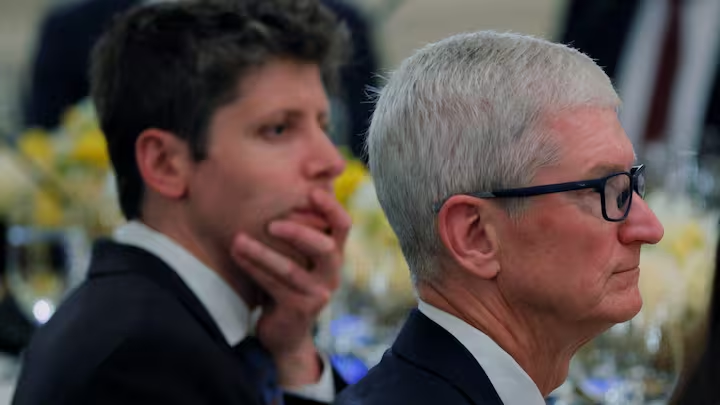
Apple has secured a key step in its legal battle with OpenAI, with a US judge ordering the ChatGPT maker to speed up the disclosure of documents linked to its recruitment of former Apple employees. The records could help Apple examine whether confidential information about its technology was discussed during hiring as OpenAI prepares to enter the consumer hardware market.
US District Judge Edward Davila has directed OpenAI to provide documents it has already gathered within five days, with a further 14 days to submit other material covered by Apple's request. The decision gives Apple quicker access to evidence it considers relevant to its allegations of trade secret theft, although the court has not approved all the company's demands.
The dispute is unfolding as OpenAI works on its first consumer hardware device. Details of the product and its eventual role in the market remain uncertain, but its development has added significance to Apple's claims about the movement of employees and potentially sensitive technical knowledge between the two companies.
Apple seeks evidence from OpenAI's hiring process
The documents covered by Davila's order relate to interviews with former Apple staff who sought positions in OpenAI's consumer hardware and robotics teams. They include interview guides, scripts, checklists, internal instructions and manuals, as well as technical presentations and records that could establish whether Apple technologies or components came up during discussions.

Tech
Apple has alleged that former employees who joined OpenAI took confidential information with them, including files containing details of products and technologies that had not been announced publicly. The material allegedly included engineering presentations, technical specifications and proprietary project information.
The iPhone maker has also accused some former employees of advising colleagues who were considering joining OpenAI on what information to bring to their interviews. The newly ordered disclosures could help Apple investigate those allegations, though the documents themselves do not establish that any trade secrets were improperly shared or used.
Davila has also permitted Apple to obtain private messages exchanged through LINE, a messaging platform, between people identified in the proceedings. These include OpenAI employees Chang Liu and Alyssa Peng, both of whom previously worked at Apple.
The judge approved depositions of Liu and Peng, along with Tang Yew Tan, OpenAI's chief hardware officer. All three are former Apple employees. Their testimony could provide further information about the circumstances surrounding their departures, their recruitment and the nature of any discussions relevant to the lawsuit.
Judge rejects wider demands for now
Apple's victory in securing faster access to the hiring records does not extend to every category of evidence it sought. Davila declined to expedite the production of OpenAI research and development material concerning specific technical areas, including metal finishes and power management.
The judge also rejected several broader requests covering OpenAI's hardware research and details of work former Apple employees carried out after joining the company. Such information could be relevant to Apple's wider allegations, but the court has not granted the company unrestricted access to OpenAI's development activities.
However, those decisions do not necessarily close the matter. Davila has left Apple with the option of refining its requests and returning to court with more narrowly defined demands.
The distinction is important because the proceedings concern not only the recruitment of former employees but also Apple's contention that confidential knowledge may have crossed company boundaries. Access to interview records and private communications could help establish what was discussed, while broader technical disclosures would potentially expose more of OpenAI's research and development work.
OpenAI's hardware ambitions provide a wider commercial backdrop to the case. A consumer device designed around AI could eventually compete for some of the functions people currently use smartphones for, although it is too early to determine whether OpenAI's product will directly challenge the iPhone.
For now, the ruling concerns the evidence Apple can examine as it builds its case, rather than the merits of its allegations. The accelerated disclosure schedule could bring relevant recruitment material into the proceedings sooner, but the court's refusal to grant several wider requests shows that Apple's access to OpenAI's technical work remains limited.
The lawsuit's outcome will depend on the evidence and the court's assessment of the competing claims. Davila's latest order gives Apple additional avenues to investigate its allegations, but it does not amount to a finding that OpenAI or its employees misappropriated Apple's trade secrets.
Handpicked stories, in your inbox
Global stories. Indian perspective. Zero noise.
No Spam. Unsubscribe Any Time.
First Published:Oct 14, 2026, 08:04:44 IST