
Meeting of Presidents of 8 Universities in Kyungnam University...Seeking AI Innovation
Strengthen competitiveness by specializing information and sharing
Cultivating regional talents and seeking joint responses among universities
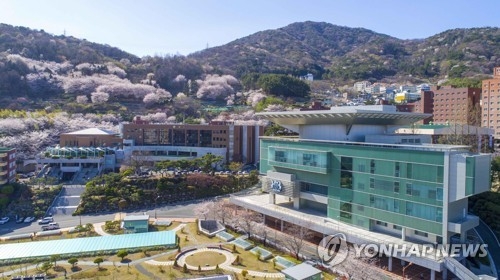 사진 확대
As the spread of artificial intelligence (AI) and the school-age population decrease at the same time, local universities have begun to prepare survival strategies by changing education methods and specializing in each university. This is because how to use AI for education and research and how to overcome the weakening of university competitiveness caused by a decrease in the number of students have emerged as common tasks for local universities.
Kyungnam University announced on the 15th that it focused on changes in university education in the AI era and countermeasures to reduce the school-age population at the 51st RUCK held on campus. On this day, more than 160 presidents and faculty members from eight member universities, including Catholic Kwandong University, Gyemyeong University, Ajou University, Ulsan University, Jeonju University, Hannam University, and Honam University, attended to share strategies and cooperation plans for each university.
The core of the discussion on this day is how to incorporate AI into university education and how to change the education system in line with the rapidly changing higher education environment. Jang Dong-sun, head of the Curious Brain Research Institute, pointed out the impact of the spread of AI on university education and the direction of future education under the theme of "Changes and Future of University Education in the Age of Artificial Intelligence."
The following discussions on topics dealt with ways to use AI in universities and strategies to respond to universities by decreasing the school-age population. The main task was not only how to apply AI technology to the educational field, but also how to develop the capabilities required by the changing industry and society. The focus was also on sharing educational innovation experiences by universities and seeking ways to cultivate local talents together.
The decrease in the school-age population is considered a structural task that local universities must jointly respond to. This is because individual universities' responses alone may limit student recruitment and maintenance of educational competitiveness in a situation where the number of students to go to college is decreasing. It is necessary to develop education and research capabilities according to the strengths and characteristics of each university, and to expand the scope of responses through information sharing and cooperation between universities.
Member universities signed an agreement on the same day and agreed to jointly respond to changes in the higher education environment. It was also decided to expand cooperation, such as strengthening competitiveness and sharing information through specialization of each university. However, the specific implementation project and performance goal of the agreement were not presented separately.
The competitiveness of local universities depends on how organically it connects educational innovation with nurturing talent needed by local industries and communities. It is pointed out that the crisis caused by the decrease in the school-age population can be overcome only when education using AI is expanded and a system is established to enhance the strengths of each university and cultivate talents needed in the region.
In the era of artificial intelligence, new changes and innovations are being demanded across higher education, said Park Jae-kyu, president of Kyungnam University. "We hope this meeting will be a meaningful place to further strengthen friendship between member universities that have been around for 31 years and increase future competitiveness based on cooperation."