
How disturbing ‘30-second’ plastic surgery before-and-after AI trick is catfishing patients onto the operating table
Imagine you have saved thousands of dollars for plastic surgery. You have spent hours looking through plastic surgeons’ Instagram accounts. You have even made a Pinterest board showing how you want your face, nose, or waist to look.
After looking at hundreds of before-and-after photos, you finally find a surgeon who seems able to give you exactly the results you want.
But there is one big problem: Those results might not be real. It turns out that using fake images to trick people does not happen only on dating apps.
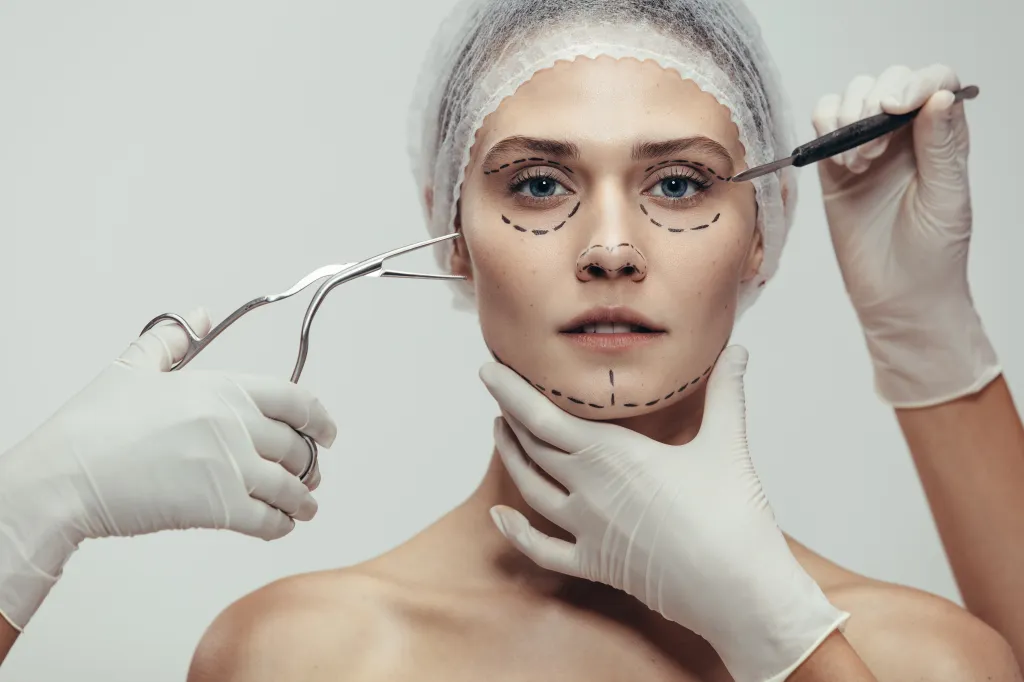
Plastic surgeons and patients are warning that more before-and-after photos are being changed using digital tools. This has been a problem in cosmetic surgery for years, but artificial intelligence, or AI, is making it worse.
“There is no doubt that before-and-after photos changed with AI are appearing more and more often on social media,” Dr. Sean Alemi, a facial plastic surgeon on Park Avenue, told The Post.
Plastic surgeons have long used tricks to make their work look impressive and attract new patients. These tricks include better lighting and small changes made with Photoshop. But AI is making it much harder to tell the difference between excellent surgery and excellent photo editing.
Interestingly, researchers are now using AI to find the fake or changed photos that AI itself is helping to create.
A study published in September 2026 in Plastic and Reconstructive Surgery used AI to examine 600 photos taken after nose surgery, also called rhinoplasty, on RealSelf. The researchers found signs that almost one in five photos might have been changed digitally.
These photos were not taken from Instagram, where people can post almost anything. They came from RealSelf, a popular website where people thinking about cosmetic surgery learn about procedures, compare surgeons, and look at before-and-after pictures.
Minou Clark, the CEO of RealSelf, said changed photos are a problem across the entire cosmetic surgery industry. She said RealSelf has strict rules for photos and ways for users to report problems.
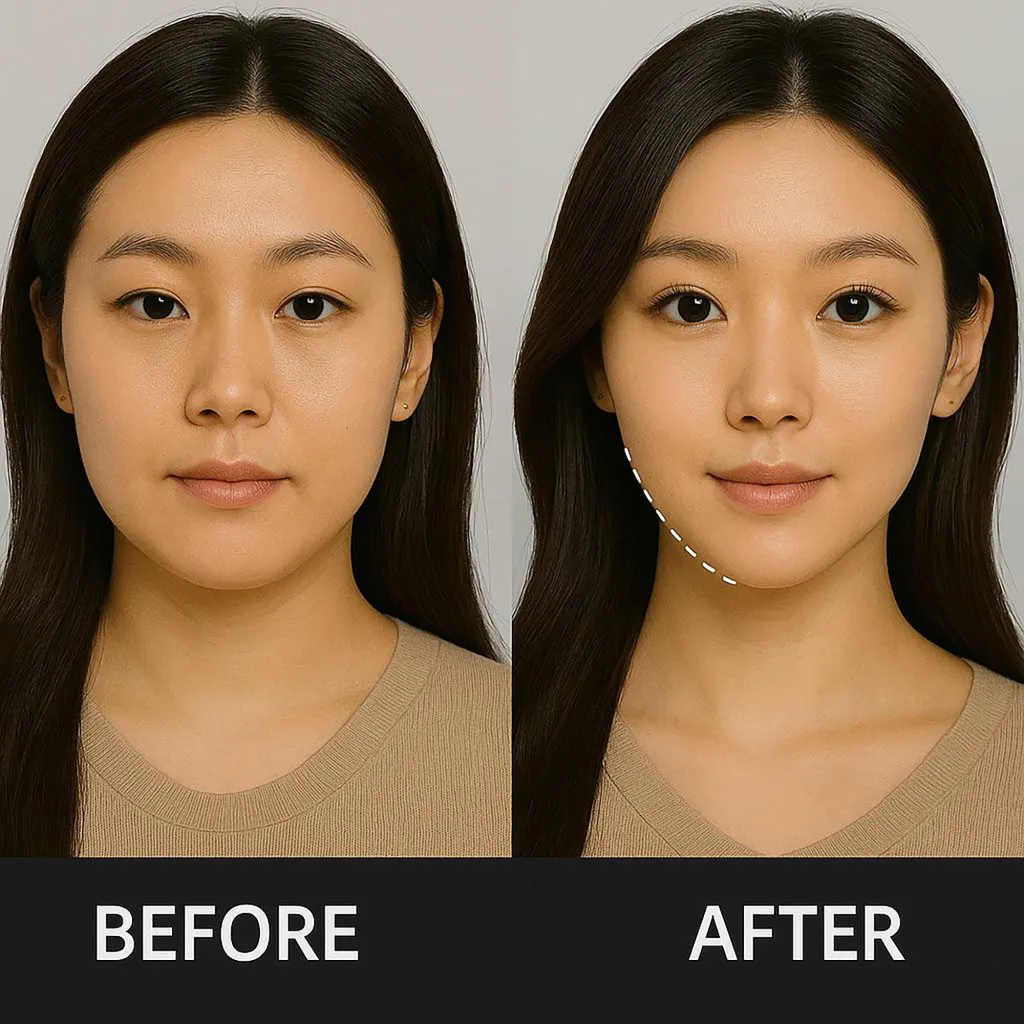
Clark told The Post that when photos are fake or stolen, patients can be tricked into making permanent medical decisions because they expect results that are not possible. Good doctors can also suffer when other people claim credit for results those doctors never created.
The surgeon who investigates suspicious photos
In the past, a Snapchat filter might briefly show someone a dream version of their face. Now, that same kind of made-up appearance can be advertised as something surgery can actually achieve.
New York City plastic surgeon Dr. Darren Smith sometimes has to investigate photos during patient appointments. When patients bring in suspicious before-and-after pictures, he sometimes uses Google's AI image-checking technology to find out whether they are real.
Smith told The Post that some pictures are clearly changed when you look at them.
Some of the worst examples show tummy tuck results that would not be possible with a real human body. In these pictures, people's rib cages appear to have been reshaped or their pelvises made narrower.
AI can help patients explain how they want to look. But it becomes a serious problem when someone presents AI-created pictures as real results from surgery.
When Smith tells patients that the results in their pictures might be fake, some feel that their trust has been broken. They had used those pictures to decide which surgeons they could trust.
How plastic surgery photos fooled people before AI
But making cosmetic surgery photos look better is not new. It was common in the industry long before AI existed.
Photographers and doctors can change the lighting, camera distance, camera angle, facial expression, body position, makeup, or clothing to make an after photo look much more impressive.
A 2021 study published in Aesthetic Surgery Journal examined 291 popular Instagram posts. It found that in an astonishing 97% of them, the way the photos were taken made the results after surgery look better.
A newer study looked at 567 before-and-after photo sets from facelifts. It found that about 74% of the after photos showed the person's face tilted upward. It also found that 37% of the after photos were at least 10% brighter.
Celebrity dermatologist Sandra Lee, better known as Dr. Pimple Popper, told The Post that doctors naturally choose their best before-and-after photos. She said doctors and their staff have a responsibility to make sure those pictures are honest.
Lee said this can be difficult because doctors need to earn money and compete with others who may not be as honest.
Lee explained that even small changes can make a big difference. For example, asking someone to smile before Botox treatment can make the wrinkles at the corners of their eyes, called crow's feet, look worse. Asking someone to lower their chin before a neck lift can make neck wrinkles stand out more.
Some doctors apparently do not even need to know how to use Photoshop well. They can simply take screenshots of other doctors' work.
Alemi said doctors in other countries have taken his before-and-after photos from Instagram and shared them as their own. Some even flipped the images.
Dr. Babak Azizzadeh, a Beverly Hills facial plastic surgeon and the next president of the American Academy of Facial Plastic and Reconstructive Surgery, told The Post that plastic surgery before-and-after photos are like works of art. It matters where they came from and who created them.
He said patients need to know that the results are real and which doctor actually performed the surgery.
Plastic surgeons already have a difficult time competing with each other. Now they also have to compete with perfect-looking results created by computers.
More computer editing, less actual surgery
In the past, you could sometimes tell that a picture had been edited because a doorframe looked strangely wavy or bathroom tiles appeared bent. Those were signs that someone might have used too much FaceTune.
Today, digital photo editing tools are much better at hiding those changes.
Michael Bismuth, co-founder and lead AI director of the Miami creative studio cuz, told The Post that making a fake before-and-after photo once required an experienced photo editor and several hours of work. Now, he said, someone can do it with a phone app in just 30 seconds.
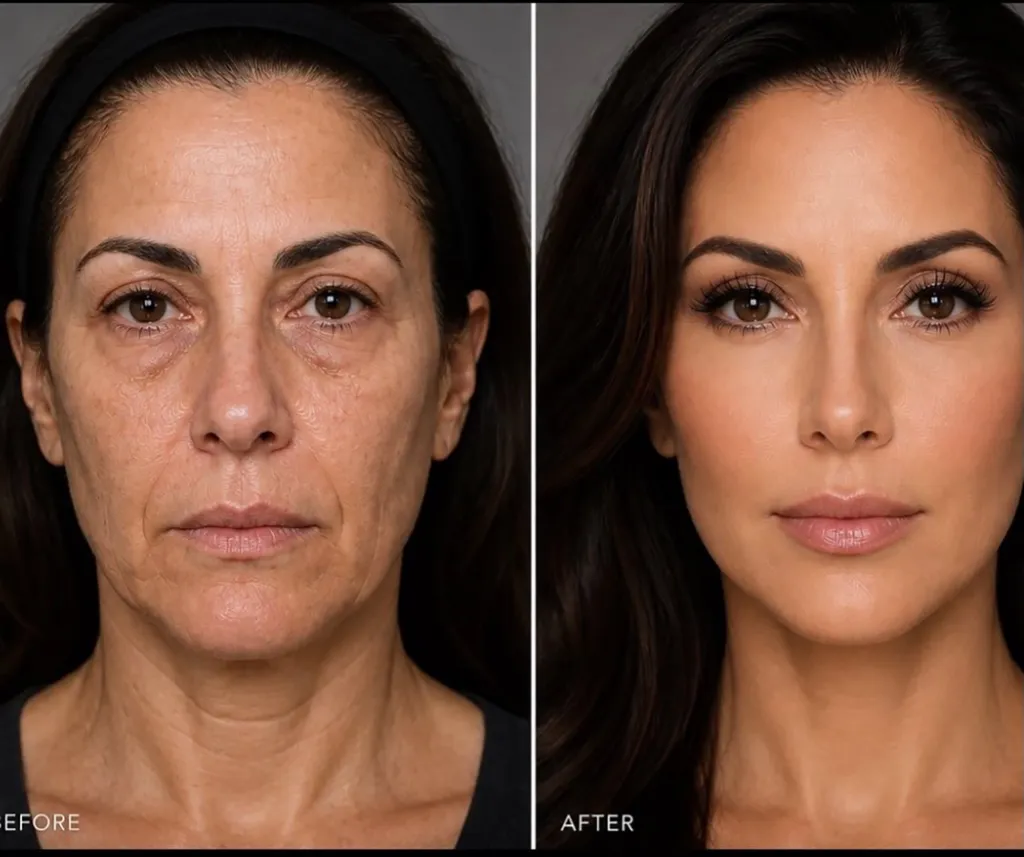
According to Bismuth, the most dangerous pictures are not always those made completely by AI. Sometimes they are real photos with small changes, such as a thinner waist, a more defined jawline, or a wrinkle that has been removed. These changes are becoming harder to find, even with software designed to detect AI.
However, nobody yet knows exactly how common AI-created surgery results have become. The problem is still developing, so researchers have not been able to measure its full size.
Who makes sure the rules are followed?
As more suspicious before-and-after photos appear online, people thinking about surgery are asking what laws can protect them.
One Instagram user asked why patients should have to do all the work of checking photos themselves. The user said patients deserve to see real results so they can make informed decisions about something as serious as surgery.
There are already laws against this kind of dishonest advertising.
Both the Federal Trade Commission, or FTC, and New York state ban false advertising. New York also says that doctors who use misleading advertisements are breaking professional rules.
New York introduced another law that took effect in June. It requires advertisers to tell people when they use certain AI-created people in advertisements. But the law probably does not cover real patient photos that have been changed digitally, according to Zachary Catanzaro, an assistant law professor at Widener University who previously worked as a lawyer on advertising and internet law cases.
California has medical advertising laws that specifically deal with patient photos that have been changed.
But there is a major problem: It is difficult to make sure people follow these laws on social media, where so much content is posted every day.
California personal injury lawyer Brooke Bremmer told The Post that the rules exist, but they are mostly enforced only when someone complains. She said government officials are not checking thousands of Instagram posts every day.
Charles Gilman, a Maryland lawyer who handles cases involving medical mistakes, explained that patients who have been tricked may spend more money on a lawsuit than they could get back if they win.
Catanzaro said the real ethical problem is about honesty and making sure patients understand what they are agreeing to before surgery. He said the technology itself is not the main issue.
How to recognize fake surgery results
Some patients are asking strangers on Reddit to help them check whether doctors' work is real. They post suspicious before-and-after pictures in online groups where people try to identify AI-created images.
Alemi recommends looking carefully at all of a surgeon's before-and-after photos. He says patients should look for medical photos taken in a consistent way, with the same kinds of lighting, angles, and positions. He also recommends looking for videos showing patients talking and moving their faces.
But even people who are very careful can still be fooled.
Lee said that if a doctor is clever enough and good at hiding changes, it can be very difficult to notice any warning signs.
One Reddit user who had a facelift said that the amazing changes they saw in online pictures may have made them expect too much from their own surgery.
The user wrote in a discussion about AI-changed plastic surgery photos that they were actually a little disappointed because they had spent so much money but still looked the same.
The user added that after looking at those AI-generated before-and-after photos, they must have been expecting a miracle.