
Artists are quitting Instagram and Facebook over fears AI will steal their work
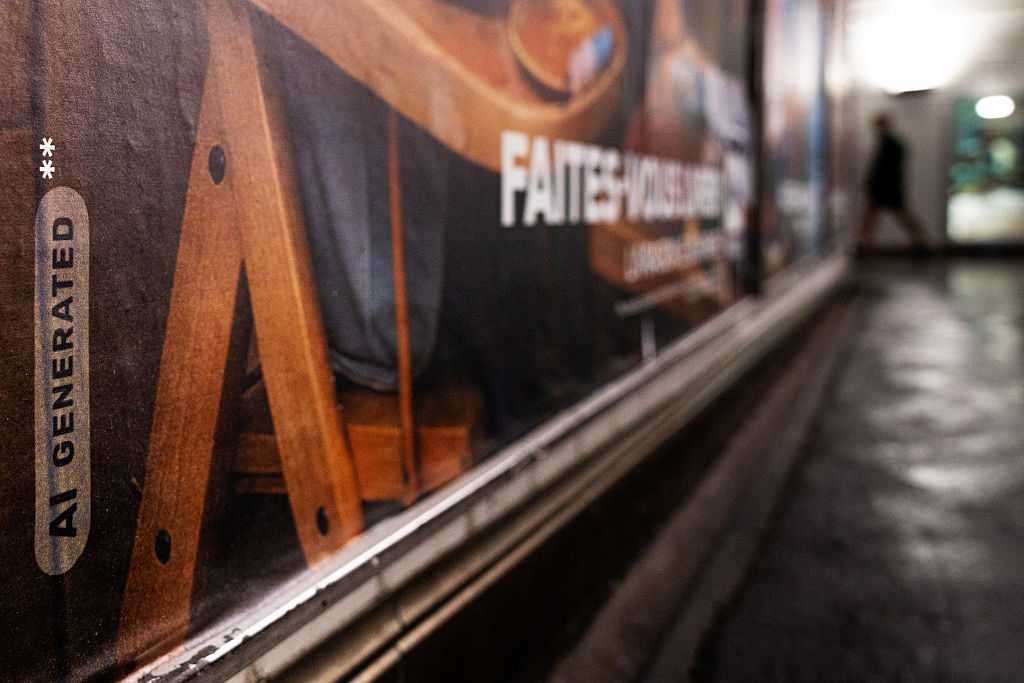
By Linda Gaudino, CNN
Updated: 5:00 PM CST Nov 26, 2026
Matty Burnham is a watercolor artist in the United Kingdom. He told CNN that in 2024, he found a Pinterest account pretending to be him and using his artwork. The account used artificial intelligence (AI) to make new versions of his watercolor paintings. It then advertised them through fake accounts on Shopify, Facebook and Instagram.
Burnham traced the Pinterest account to Ho Chi Minh City, Vietnam. But he still does not know who was running it.
His experience is part of a growing problem. AI-made artwork is taking business away from real artists. This is especially common on Instagram and Facebook, which are owned by Meta. CNN spoke with more than a dozen artists about how they are dealing with AI.
Burnham said accounts that post AI-made artwork can make money on Facebook. Some have hundreds of thousands of followers who think the accounts belong to real artists. These fake accounts then send people to websites that have online stores and advertisements.
Because of this problem, some independent artists are posting less on Instagram, Facebook and other Meta platforms. They are also worried about changes Meta has proposed to its rules for using its services. Some artists are thinking about leaving Meta's social media platforms completely. Others have stopped posting for now or are moving to online communities for creators, such as Patreon and Substack.
Tim O'Brien, a board member of the Society of Illustrators, said artists should have a real choice about whether their work can be used. He believes they should be paid fairly and have simple ways to challenge people who use their work without permission.
O'Brien said this is about much more than laws. For many artists, it is about how they earn a living, who owns their creative work, whether they gave permission, and whether they are being treated fairly.
Meta's proposed new rules would still allow automated computer programs to collect large amounts of information from outside websites without asking business account owners for permission. This could include artists' personal websites showing their work, online stores, and links to business accounts on Facebook, Instagram, WhatsApp and Threads.
The new rules were first supposed to start on October 30. Meta then moved the date to November 20. But on November 5, the company announced that it was delaying the changes again, with no new start date.
A Meta spokesperson told CNN that the company was putting the changes on hold while it continued talking with people and groups affected by them. The spokesperson said Meta wanted to take enough time to make the right decisions. For now, the company's existing rules will stay in place.
Even though Meta has delayed the changes, the proposed rules have already caused another wave of artists to leave its platforms.
Samantha Waldron is a co-owner of Dutcher Photography in Madison, Wisconsin. She told CNN that earlier this month, she deleted all her personal and business Facebook pages. She also changed her business Instagram accounts into personal accounts, deleted most of her posts, and removed all links to outside websites from her Meta account descriptions.
Waldron said the proposed changes were the final reason she needed to leave, after being unhappy for a long time. She said she feels relieved that she no longer has to worry about keeping up with social media.
Artists said the proposed rules could allow their images, artistic styles and creative work to be collected without their knowledge and used to train AI systems that make new content. Those systems could then copy or replace art made by people. This could hurt artists' businesses on Meta's platforms.
Megan Wimberley founded Cowgirl Artists of America in Tulsa, Oklahoma. She is working on deleting all her Meta accounts. She said the proposed rules have seriously damaged her trust in the company. Wimberley believes everyone, not only artists, should worry about sharing personal photos, videos and audio recordings online because AI systems might collect and use them.
Wimberley said she sees Meta as a company trying to become a leader in AI. She believes its social media platforms are becoming less about connecting people and more about getting free permission to use people's content to train AI. She warned that even parents who post pictures of their children might be allowing Meta to use those pictures for AI training.
Some artists decided to stop posting on Meta platforms from October 30 through November 6. They did not post or share content during that time to protest the new rules, which were originally supposed to begin on October 30. Wimberley said she started the "Meta blackout" campaign on October 22, and it quickly grew.
Nicole McKay is the artist relations director at The Guild of Artists and Artisans. She told CNN in a statement that many artists across the United States have started deleting their Meta accounts because of the planned changes involving AI training. Many have posted goodbye messages on Instagram and Facebook, saying they are leaving because of Meta's policies and decisions.
McKay said leaving Meta is a hard choice for artists who use its platforms to show and sell their work, talk to customers and grow their businesses. They must choose between protecting their artwork and keeping an important way to earn money.
Artists deal with a flood of low-quality AI content
Artists told CNN that AI-made artwork is causing serious problems for people who make money from creative work. People who copy artists online are forcing those artists to change how they find and connect with an audience.
Andrew Scott is a modern artist in Rochester, New York. He said that in September, he sent a direct message to someone using AI to copy his artwork.
According to Scott, the person admitted that she used his original artwork as the starting point for her own AI-made art videos. She then posted those AI videos on an Instagram account copying his work, making it look as though she had created the real artwork herself. Scott said one of her posts showing AI-made art received 50 million views.
Scott said he explained to the woman that these AI copies could hurt his business. He said she later stopped following him on social media, but she continues making AI copies of his work.
Nancy Chen is a ceramic artist in Canada. She posts social media videos showing how she makes the ceramic pieces she sells. But she knows these videos could also be used to train AI systems. Recently, Chen has been careful about posting high-quality, finished-looking photos of her artwork on Meta platforms. She has not yet decided whether to leave.
Chen said she wonders how independent artists can safely show their work to the world when sharing their creative process can be used against them. She said AI can make content much faster than any single artist. Because of this, she feels pressure to lower her prices to compete, even though she already believes she is not paid enough for her work.
One of the biggest worries for artists is how quickly AI can produce and spread large amounts of content. Making art by hand often takes much longer. Artists are also concerned about how AI systems learn from existing artwork, often without asking the artists first. There are also questions about how copyright laws, which protect creative work, apply to AI.
Isaiah Steinfeld is a board member of the American Institute of Graphic Arts and works with AI technology. He said people can support new technology while also protecting artists. He explained that artists can still officially register their work for copyright protection, take legal action when someone breaks copyright rules, and ask for copies made without permission to be removed.
For example, Meta said creators can report AI accounts that pretend to be them. They can also ask Meta to remove content through its Intellectual Property Reporting Center, which handles complaints about the misuse of protected creative work.
Steinfeld said it is important to know where creative work comes from and who made it. He believes these protections should work both ways: artists should be protected from having their work taken, and people who use new AI tools should also receive credit for the real creative work they contribute.
This month, Google made an online tool called SynthID Detector available to everyone. The website is free. People can upload an image, video or audio file to check whether it was made using AI from Google or partners such as OpenAI, Nvidia and Kakao.
In a press release, Google said its technology has added hidden marks to more than 180 million images and videos. These marks help identify AI-made content. Google also said the system regularly receives more than one million requests each day from people checking files.
But artists say this is only the beginning and that the changes made so far are not enough. Many independent artists are still struggling to decide whether they should share their work on social media at all. At the same time, being visible online is important because it helps people discover and recognize their work and businesses.
Burnham said he personally does not trust that enough will be done to protect artists. He believes the UK government is more worried about allowing new technology companies to grow and make money than about protecting artists. He hopes the public will continue to reject the way generative AI is currently being developed and used.
CNN asked the UK Department for Digital, Culture, Media and Sport for a response. A spokesperson said the government has had many discussions with artists, creative industry groups and AI companies. The spokesperson said the government is taking time to find the right way to handle the issue.
The spokesperson added that the government has made it clear it will not move forward with any plan unless it works for both the creative industries and the AI industry.