
What SpaceX's FCC Approval for 1 Million Satellites Means for the Future of AI: Key Takeaways
The Briefing:
- On November 25, 2026, the FCC officially gave SpaceX permission to launch up to one million Starmind satellites. These satellites are designed to work as AI data centers in space. This is the first approval of its kind in U.S. history.
- SpaceX must have one working satellite in orbit by November 25, 2033. It must launch 10% of the approved satellites by November 25, 2035, reach 50% by November 25, 2038, and finish the full network by November 25, 2040.
- Amazon, Viasat, and the American Astronomical Society officially opposed the plan before it was approved. The FCC is still reviewing plans for handling space debris from satellites above 600 kilometers.
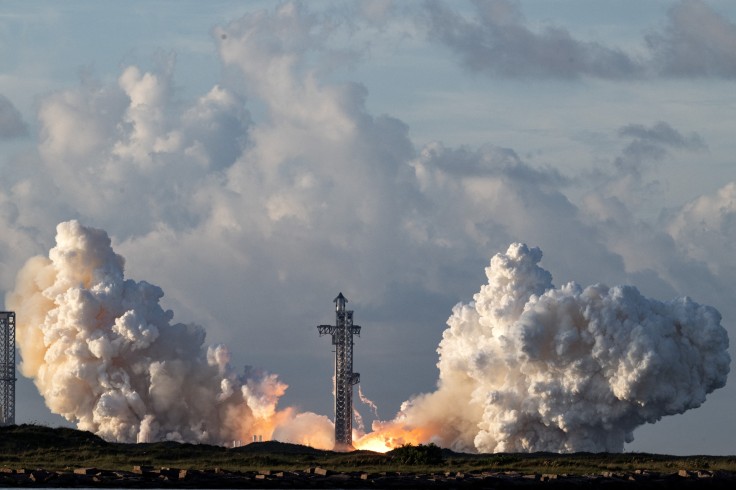
On Wednesday, federal regulators made a major decision. They gave SpaceX conditional permission to build its Starmind network, which could include up to one million satellites that work as data centers in space. These satellites would use solar power and carry computer equipment. This is the first time a U.S. agency has approved an entire satellite network made only for computing in space. The decision could greatly change how artificial intelligence gets its computing power on Earth.
A Satellite Network Like No Other
The approval for Starmind allows more than 100 times as many satellites as SpaceX's current Starlink network. By late 2026, Starlink had more than 10,000 active satellites, already making it the largest working satellite network in history. The FCC's approval for up to one million satellites that serve as data centers is without a past example.
Official documents call the satellites "orbital compute modules." They would travel in six groups of orbits, at heights ranging from 500 to 1,002 kilometers above Earth. Some would follow paths that keep them in line with the sun, while others would travel in orbits tilted by 30 degrees. These paths are designed to give the satellites as much sunlight as possible throughout their time in orbit. This is central to SpaceX's argument: instead of using electricity from power grids on Earth, which are already under growing pressure, the satellites would make their own power from sunlight. SpaceX says this could greatly lower running costs and carbon emissions.
FCC Chairman Brendan Carr announced the decision on X. He described it as an important step in the race to build computing systems, saying: "This action opens a bold new frontier for the computing infrastructure needed to power America's leadership and growth." Elon Musk replied soon afterward. He said Starmind "will be a great asset to America and the world."
The AI Race Moves Into Space
SpaceX first applied for FCC approval on January 30, 2026. It described the satellite network as an early step toward becoming a Kardashev Type II civilization. This means a civilization that can use all the energy produced by the sun. This idea connects Starmind to Musk's larger goal of making America a leader in what he calls the age of superintelligence.
The timing also reflects a bigger problem facing the technology industry. Data centers on Earth are reaching physical limits because they need huge amounts of electricity and cooling. Moving AI computing work into space could avoid these problems. SpaceX is not the only company interested in this idea. Google announced Project Suncatcher in November 2025, and the project has moved beyond the planning stage. On October 1, 2026, Google launched a test satellite built with Planet. It carried Tensor Processing Units, special chips used for AI, to test how Google's computer hardware works in space, where it faces radiation and extreme temperature changes. Amazon Leo, which was previously called Project Kuiper, officially opposed SpaceX's Starmind application before Wednesday's decision. This shows that competition over space-based computing is already growing among the industry's biggest companies.
Rules, Critics, and Disputes Over Space
The FCC approved the plan with important conditions. It did not yet approve SpaceX's request for special permission to get rid of satellites operating above 600 kilometers by moving them into Earth disposal orbits or orbits around the sun, instead of allowing them to fall back through Earth's atmosphere. Before SpaceX can launch and operate satellites that will not be disposed of through atmospheric re-entry, it must apply to change its approval and give enough reasons to support its request for an exception.
The American Astronomical Society filed a formal objection to the plan. It raised concerns that the huge satellite network could affect optical astronomy, which uses visible light to study space. The FCC said concerns about effects on optical astronomy were outside the authority it was using in this case. Starmind could become larger than all current satellite networks combined, so these objections are unlikely to disappear when launches begin. Viasat's opposition points to another business dispute. The satellite internet company has challenged Starlink's growth in the market for years and now appears ready to fight SpaceX in the data center business as well.
What Happens Next
SpaceX has not said how often it plans to launch Starmind satellites. However, the FCC's order says the first satellite must be working in orbit by November 2033.
The possible effects reach far beyond SpaceX and could change the entire AI industry. If Starmind works as a business and succeeds technically, it could show that future computing systems can be built in space instead of depending on new power plants or larger electricity grids on Earth. The FCC has effectively approved the development of large-scale industry in low-Earth orbit. The big question now is whether SpaceX can build and operate a network on a scale that has never been attempted before.