Chinese AI Developers Face Delays as US Chip Restrictions Tighten
China, 27 November 2026 — Two of China's leading artificial intelligence companies are reportedly facing major delays in releasing their next-generation AI models. New US rules restricting chip exports and tighter controls on using existing AI models to train new ones are adding pressure to China's fast-growing AI industry.
According to Reuters, Z.AI, formerly known as Zhipu AI, and Moonshot AI are struggling to keep to their original development schedules. This is happening because they have less access to advanced computing resources, while leading US AI companies are taking stronger steps to stop others from using their models to train competing systems.
These developments mark a new stage in the technology competition between the United States and China. Chinese AI companies have spent the past few years catching up with American competitors. However, people in the industry now warn that the new restrictions could slow their progress at an important time in the global race to build more advanced AI systems.
One of the companies most affected is Z.AI. It had reportedly planned to release its main GLM-5.5 model in November. People familiar with the matter told Reuters that the release has been delayed. Some believe it may now happen in the first three months of 2027 or even later.
GLM-5.5 is expected to be much larger and more powerful than earlier versions. Its design is expected to have about three trillion parameters. However, tighter limits on computing power and new protections against model distillation have made development more difficult.
Earlier this week, Z.AI released GLM-5.4 instead. This model uses an existing design with about 750 billion parameters. The company says improvements to its design and efficiency allow it to compete with models that are several times larger. Moonshot AI is facing similar problems.
The Beijing-based company, best known for its Kimi range of AI models, is reportedly preparing for longer development periods if its access to computing resources outside China continues to shrink. People familiar with its operations told Reuters that the time between major model releases could grow from about six months to a year or longer.
This would be a major change for an industry used to making quick progress and releasing updated models often. Moonshot released Kimi K3 in July, but its next main model, Kimi K4, may not arrive until the middle of 2027 if the current restrictions continue. The problems facing both companies are not limited to computer hardware.
Another growing problem is model distillation. This is a method that lets developers train smaller or newer AI systems using answers produced by more advanced models. Leading US AI companies have become increasingly concerned about this method. They say competitors are using their technology to speed up their own development.
Anthropic said earlier this year that it had found nearly 200 million interactions with its Claude models that were linked to suspected model distillation. The company said some of this activity involved Chinese developers, including Moonshot AI, Z.AI and Alibaba. OpenAI has made similar claims involving people connected to Moonshot.
The companies named have rejected suggestions that their main AI models depend on outside systems. They say their improvements come from their own research and changes to their model designs.
Even so, the increased attention has led American AI developers to place tighter limits on access to their models' answers. This makes it harder for competitors to use those answers to train their own systems.
As these restrictions take effect, Chinese developers are reportedly looking for other ways to continue their work. Reuters reported that Moonshot has increasingly used models developed by Google and Meta for distillation while also working harder to secure computing resources in Europe.
The company is also expected to look for partnerships with Chinese semiconductor makers as China works to build an AI industry that depends less on foreign technology. Pressure on Chinese AI companies increased after the US Commerce Department introduced new rules on 19 November that limit access to advanced computing resources.
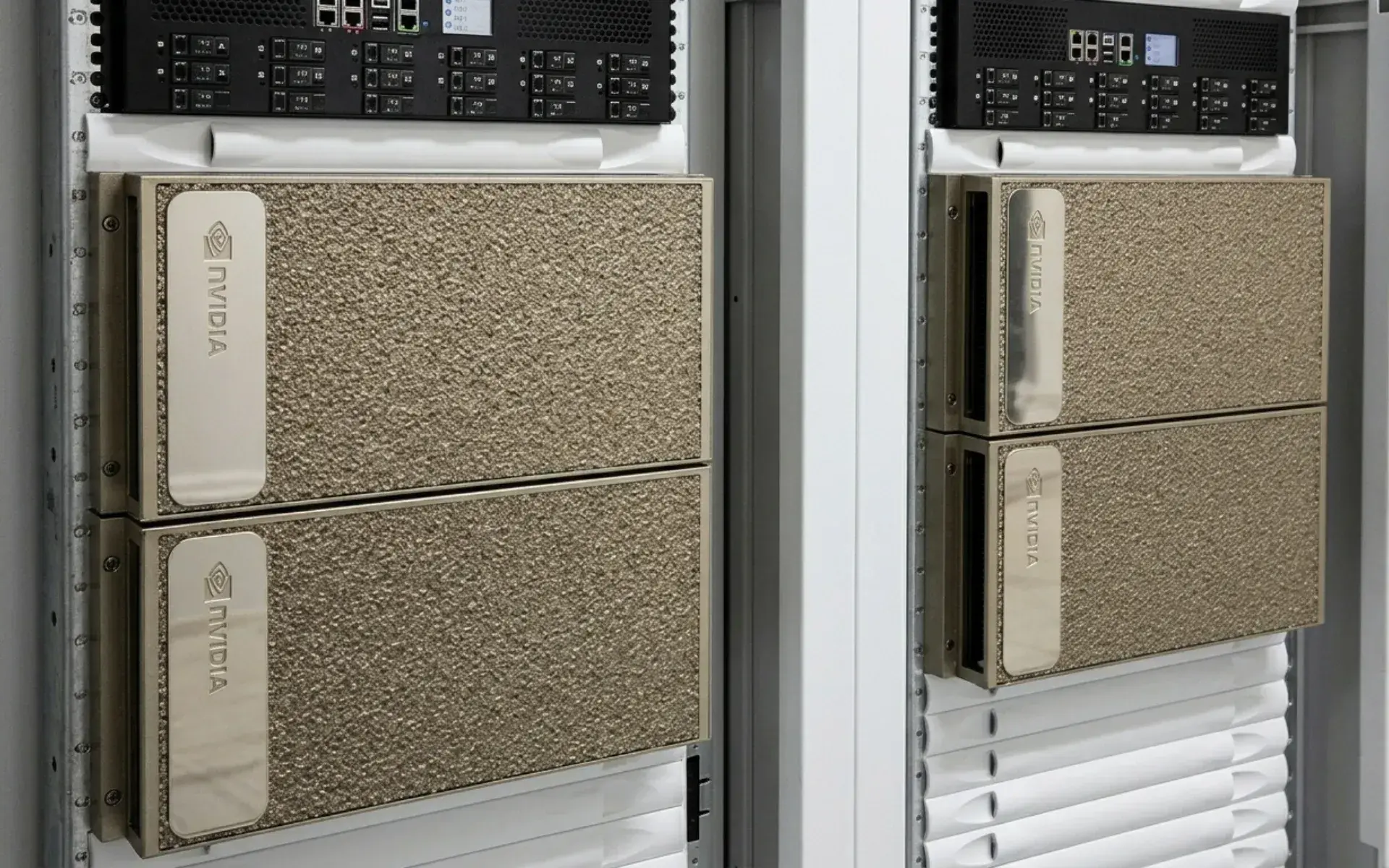
The new rules require companies to get licenses for large-scale computing services at data centres outside their own countries. This closes one way Chinese companies had used to access Nvidia processors without directly importing the chips. The rules also require licenses for shipments of advanced chips to several countries that had become important centres for AI computing.
These restrictions have already affected the wider technology industry. Earlier this week, reports said that Nvidia had stopped AI server shipments to four Southeast Asian countries as companies adjusted to the latest export rules and requirements.
The restrictions have arrived at an important time. Chinese AI companies have increasingly challenged Western competitors by offering similar performance at much lower prices. This mix of lower costs and strong technology has helped their products become popular both in China and in other countries.
Now, tighter controls on computing power and new limits on model distillation could make this approach harder to continue.
The latest developments also come after growing concerns about how China's AI industry is being managed. These concerns increased following the recent MiniMax privacy controversy, which raised new questions about AI data security and how openly platforms operate. Together, these events show the growing business and regulatory problems facing Chinese AI developers as the world pays closer attention to the industry.
Investors are also watching these developments closely. Uncertainty about demand for AI, limits on semiconductor exports and future access to computing power has caused markets to move up and down. This includes the recent fall in chip company shares that affected Nvidia and other technology companies.
Several important questions remain unanswered. It is not clear how many licenses US authorities will approve under the new rules, whether Chinese chipmakers can produce enough computing power to replace restricted Nvidia hardware, or when companies such as Z.AI and Moonshot will be able to return to their earlier pace of development.
What is becoming clearer is that the global AI race is no longer decided by new ideas and inventions alone. Access to computing power, advanced computer chips and resources for training AI models is becoming just as important as improvements to model design. This could change the competition for many years to come.