
Tor Books Pulls Book Cover Due to AI Artwork Controversy
A big fantasy book publisher is saying sorry to readers this week after fans discovered that the cover of one of its upcoming books included art made using artificial intelligence (AI).
Tor Books is part of Macmillan and publishes well-known fantasy, science fiction, and other imaginative stories. Its authors include Brandon Sanderson, Jeff VanderMeer, and TJ Klune. Tor plans to publish the second book in Ilona Andrews' epic fantasy series in September 2027. But the book has already caused an argument. Just days after showing its cover, Tor took it down because people were worried that the artwork had been made using AI that can create images.
Why Tor Books Removed the Cover of Its Much-Awaited Fantasy Book
The book causing the argument is This Crown Will Not Rule Me, the next book by Ilona Andrews. Ilona Andrews is the name used by married writing partners Ilona and Andrew Gordon. The book is the second in their Maggie the Undying series, which is planned to have three books. The series has been described as combining the exciting political struggles of Game of Thrones with the romance that stretches across different worlds in Outlander.
Tor first showed the cover of This Crown Will Not Rule Me in an Instagram post on November 17 to promote the upcoming book. But only three days later, the publisher deleted the post and officially apologized. Tor said it had learned that AI image-making technology had been used to create the cover. In its apology, Tor said that neither the publisher nor Ilona Andrews knew the cover artist had used AI until after they had shared the design.
Tor also said the cover would not be used on any finished copies of the book. This is because using AI-made artwork breaks the rules in Tor's usual contracts with cover artists. The publisher said it would make its internal checking process stronger to help stop the same problem from happening again.
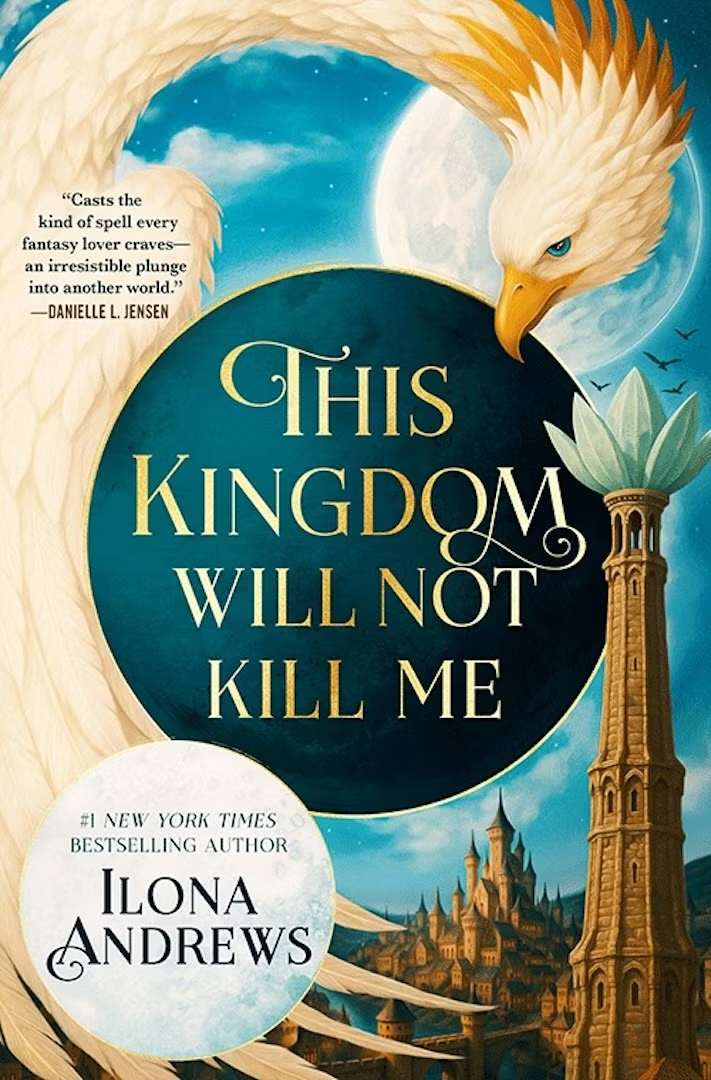
The cover of This Crown Will Not Rule Me had originally been credited to Andrew Davis. He also designed the cover for This Kingdom Will Not Kill Me, the first book in the Maggie the Undying series. It is not clear whether Tor will change the cover of that first book in future editions.
How Ilona Andrews Responded to the Argument About AI Art on Their Book Cover
In a separate message on their website, Andrews explained that fans of the series were the first to warn them that AI might have been used on the cover. The fans noticed the possible problem soon after the cover was posted.
Andrews also explained how the AI-made design went unnoticed. They said the publisher had hired someone to create the cover, and a drawing showing the planned design was sent to the art department. The drawing looked like an ordinary early cover design. Andrews said they did not know enough about AI images to notice anything worrying. They also admitted that they were very aware of how little they knew about this subject.
Even though the situation had caused a lot of anger, the authors asked fans not to attack the cover designer on social media. Andrews explained that they did not know what was happening in the artist's personal life or what had led to the incident. They said the situation was already upsetting enough.
Tor's Problem Is Part of a Bigger Debate About AI in Book Publishing
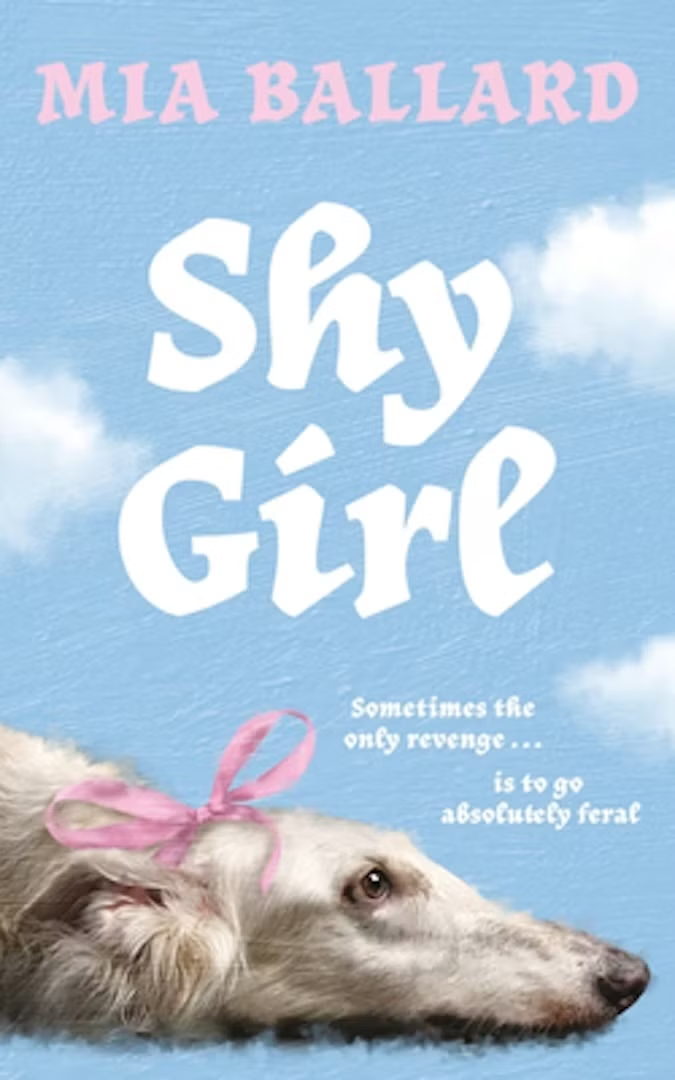
This is not the first time a big book publisher has faced criticism over AI-created content. In March, Hachette canceled plans to publish the horror novel Shy Girl after discovering that its author, Mia Ballard, had used AI to write some of the book, or possibly all of it.
Like the Tor situation, the problem with Shy Girl was brought to people's attention by readers on social media. Rumors that Ballard had used AI to write the book became widespread in January. This happened after a book reviewer known as Frankie's Shelf posted a long video discussing the book on YouTube. The video was called “i'm pretty sure this book is ai slop.” In it, the reviewer looked closely at an earlier version of Shy Girl that Ballard had published herself. The reviewer said the writing did not seem to be completely made by AI, but it showed several signs that AI might have helped write it. These included phrases used over and over, describing words used incorrectly, and strange comparisons.
The New York Times then checked Shy Girl using software designed to find AI-written text. The software found signs that AI had been used to write the book. The newspaper shared these findings with Hachette. Hachette eventually stopped printing Shy Girl in the UK, where the book had already been released, and completely canceled its planned US release. Ballard later told the Times that a friend she had trusted to edit her draft had added the AI-written parts without telling her. She did not name the friend.
Six months later, in August, Minotaur, another publisher owned by Macmillan, canceled a $2.4 million agreement for two books by author Jerry Falade. The decision came after suspicions that Falade had used AI to help write his crime novel Call Me, I'll Hide the Body.
Minotaur had won the right to publish Falade's books after competing against 13 other bidders. But it eventually canceled plans to publish Call Me, I'll Hide the Body and Falade's planned second novel. This also ended talks about possibly turning the story into a movie. Falade later denied using AI to write the book. He said he had documents that could prove the entire book had been written by a human.
Andrews is also dealing with another AI-related problem, separate from the issues faced by major publishers. In the same blog post where they apologized to fans about the AI cover for This Crown Will Not Rule Me, the two authors explained that earlier this year they had signed an agreement with a production company known for using AI-made images. The company was supposed to turn their work into a vertical drama series, a show made to be watched on upright phone screens. Andrews said they had clearly told the company not to use AI and had asked for only real human actors and writers. According to Andrews, the company agreed to those rules.
However, Andrews said they have now ended that agreement. They explained that they realized the company's use of AI in its other productions did not match what they wanted. In their blog post, Andrews said both the book cover problem and the production company problem show how unfamiliar and confusing creative work has become now that AI can generate art and writing.