
NVIDIA AI Chip — US Export Controls Backfire as China Accelerates Tech Independence
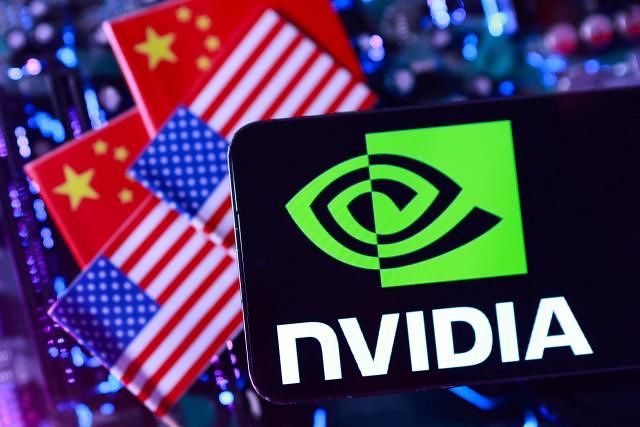
Recent investigations have found that many NVIDIA AI chips meant for US customers were being sent to Chinese companies through complex routes designed to get around export rules. Now, the United States is making these rules stricter to stop this from happening. As a result, Chinese AI companies are facing immediate problems, including delays in releasing new AI models.
However, experts point out a possible unexpected result: these strict export rules could help Chinese companies such as Huawei become stronger competitors. By limiting China's access to advanced computer chips, the United States may actually be encouraging China to develop its own chip-making and design technology more quickly.
How Advanced GPUs Reached China Through Hidden Routes
Investigations by US news organizations and research groups found that some companies registered in the United States and Southeast Asia were actually acting for Chinese technology companies. Major NVIDIA partners, including ReCloudeAI and Abris, were linked to Chinese companies such as Shenzhen Yusinfo Technology and Inspur. Billions of dollars' worth of advanced Blackwell and B300 server systems were sent through data centers in Malaysia, Indonesia, and Singapore. These systems provided computing power to major Chinese technology companies, including Alibaba and ByteDance.
After these findings came to light, the US Department of Commerce quickly took steps to close gaps in its rules. The new rules require companies to get clear government approval before sending advanced computing power and AI hardware to data centers in Southeast Asia that serve countries under restrictions. Major distributors have also increased their checks to make sure computing resources do not reach Chinese buyers who are not allowed to receive them.
Immediate Shortages and Long-Term Independence in Technology
The new restrictions are creating an immediate shortage of computing power for China's AI industry. In the past, the industry got nearly half of its computing resources from overseas cloud services and smuggled chips. Some well-known Chinese startups have already had to delay the release of their main AI models and reduce foreign data center contracts worth millions of dollars because of the strict new rules.
Even with these problems, major companies and industry experts warn that the long-term results could be very different. As US-made chips become harder to get, Chinese companies are investing more in products made at home. Huawei is putting large amounts of money into research and development and is successfully building a local supply chain. This includes chip design, manufacturing, and components. As a result, China is moving closer to being able to meet all its own technology needs.