
Process Context: The Missing Link in Financial Services AI
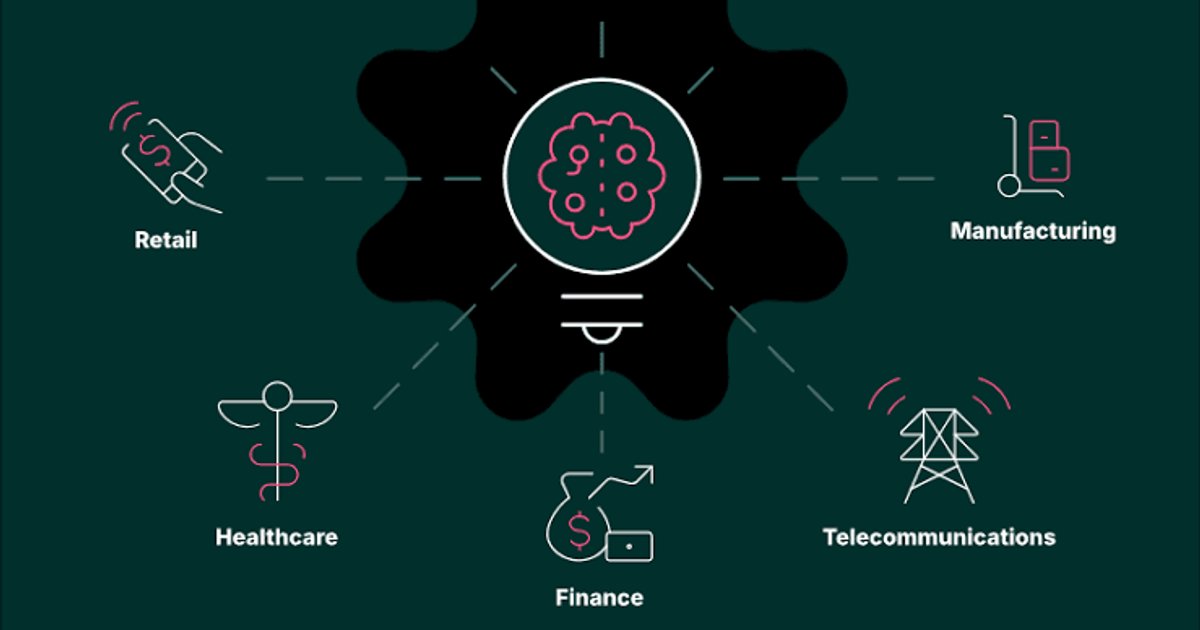
Financial services has many opportunities to use artificial intelligence (AI). AI could help banks and insurance companies prepare financial reports faster, reduce manual checks, improve customer service and spot problems in their daily operations. It could change how these businesses work.
But as financial companies move from testing AI to using it in real work, an important question is becoming clear: How can they make sure AI improves business results without creating new risks?
The answer has less to do with how advanced the AI is and more to do with how well it understands the work it is supposed to do.
According to The 2026 Process Context Study by The Hackett Group, created with ARIS, 86% of the organisations surveyed agree that AI agents cannot be used reliably without understanding business processes. However, only 22% say they have a complete, real-time view of their business operations.
For financial companies that work across many systems, rules and departments, this gap creates both a major challenge and an opportunity.
Moving from automation to understanding how work happens
Traditional automation focuses on completing specific tasks. Agentic AI can do more. It may make decisions, respond to changes and coordinate work across several systems. But an AI agent handling a financial transaction needs to understand more than the details of that transaction.
It may need to know which approvals are required, how to deal with unusual situations, which legal and regulatory rules apply, and when a person needs to step in.
This is called process context. It means understanding how different parts of a business process connect, including tasks, people's roles, business rules, checks, dependencies and performance. For banks and insurance companies, where following rules and taking responsibility are essential, this understanding helps turn AI's abilities into reliable business results.
Where financial companies can gain value
The study points to several areas where finance leaders believe process context can improve business performance. About 82% say better productivity could provide high or significant value, while 75% point to less manual work.
Another 70% identify improved financial accuracy, and 68% see faster financial closing processes as an important benefit.
These findings matter for financial services companies. Take financial reporting as an example. Many banks and insurance companies still use complicated processes that involve several systems, manual checks, approvals and the handling of unusual cases.
Process intelligence can show where these activities cause unnecessary delays, which checks are important and where automation could safely remove repeated tasks. With the right information, AI agents could help investigate differences in financial records, prepare supporting documents, send unusual cases to the right people and speed up reporting. Employees would still make important decisions that need human responsibility.
The same ideas can be used in accounts payable and accounts receivable. AI agents could help process invoices, match payments, manage collections and investigate payment disputes.
The main opportunity is not just to automate the work companies already do. It is to improve how work moves between teams so that it becomes faster, more accurate and more efficient.
Giving AI the information it needs to work safely
The study also shows which types of information finance teams believe are most important when putting AI into use.
Rules and compliance requirements come first, at 72%. Next are approval processes and who has the authority to approve work, at 68%. Dependencies on ERP and older systems come in at 66%, as do finance workflows and process steps. Finance policies and business rules follow at 64%.
This order reflects the challenges of working in financial services. For example, an AI agent dealing with a payment problem cannot make reliable decisions by looking only at transaction details. It also needs to understand approval limits, rules about separating people's duties, company policies and situations that require a problem to be passed to someone else.
The 2026 Process Context Study highlights these findings:
86% say AI agents cannot be used reliably without an understanding of business processes.
22% say AI gives them a complete, real-time view of their business operations.
72% say regulatory and compliance requirements are the most important areas to consider when putting AI into use.
Without this understanding, automation could make mistakes happen faster or create new compliance problems. With it, financial companies can set clear limits on what AI agents are allowed to do. Agents can complete suitable tasks while people continue to oversee decisions that carry greater risks.
Process context is therefore more than just technical information. It gives companies a foundation for using AI to work more efficiently while keeping people accountable.
This is even more important when normal business operations are interrupted. If an important application, data source or outside service stops working, AI agents need to understand not only that something has changed, but also which approved alternative process, checks and escalation rules they must follow. Preparing this information in advance can help people and AI agents follow the same approved approach when normal operations are not possible.
Where should companies start using AI agents?
The study identifies five finance activities where people see the strongest potential for agentic AI: financial planning and analysis, accounts payable, accounts receivable, financial closing and audit support.
These are sensible places to start because they often involve clear steps, repeated tasks and results that can be measured. However, choosing a promising task is not enough to guarantee success.
Financial companies should first look closely at how each process works. They need to understand what it depends on, how it can change, what unusual situations may occur and which checks must be followed.
Process mining can help companies see how work actually moves through their business systems. Process models show the planned workflows, people's responsibilities and the rules that must be followed.
Used together, these tools give companies a better understanding of where AI can help, where processes need to be improved and where human judgment must remain important.
This approach also makes it easier to measure results. Instead of simply counting how many AI agents have been introduced or how many tasks have been automated, companies can measure whether processing is faster, fewer tasks need manual work, financial records are more accurate, unusual cases are solved more quickly and important checks work better.
Turning process knowledge into a business advantage
The possible benefits go beyond improving individual tasks. The study found that organisations with strong experience in process context are five times more likely to report very successful AI results than organisations with little experience. This shows how important it is to understand business operations when introducing AI across a company.
For banks and insurance companies, the bigger opportunity is to move away from separate automation projects and build connected, intelligent operations. This means creating a shared understanding of how work happens across finance, risk, compliance, technology and customer service. Companies can then use this knowledge to decide where AI agents should work and how they should operate.
For banks and insurers, the strategic opportunity is to move beyond isolated automation projects towards connected, intelligent operations
Karin Bruls, Principal Business Consultant, Operational Resilience and GRC at ARIS
In an industry where efficiency must go hand in hand with trust, resilience and following regulations, process context could become a major part of successful AI adoption. The companies that do best will not necessarily be those using the most AI agents. They will be the ones that understand exactly where AI can help and how to use it without losing control.