
Deep Learning Matches Machine Learning for Cancer Biomarkers but Leads in
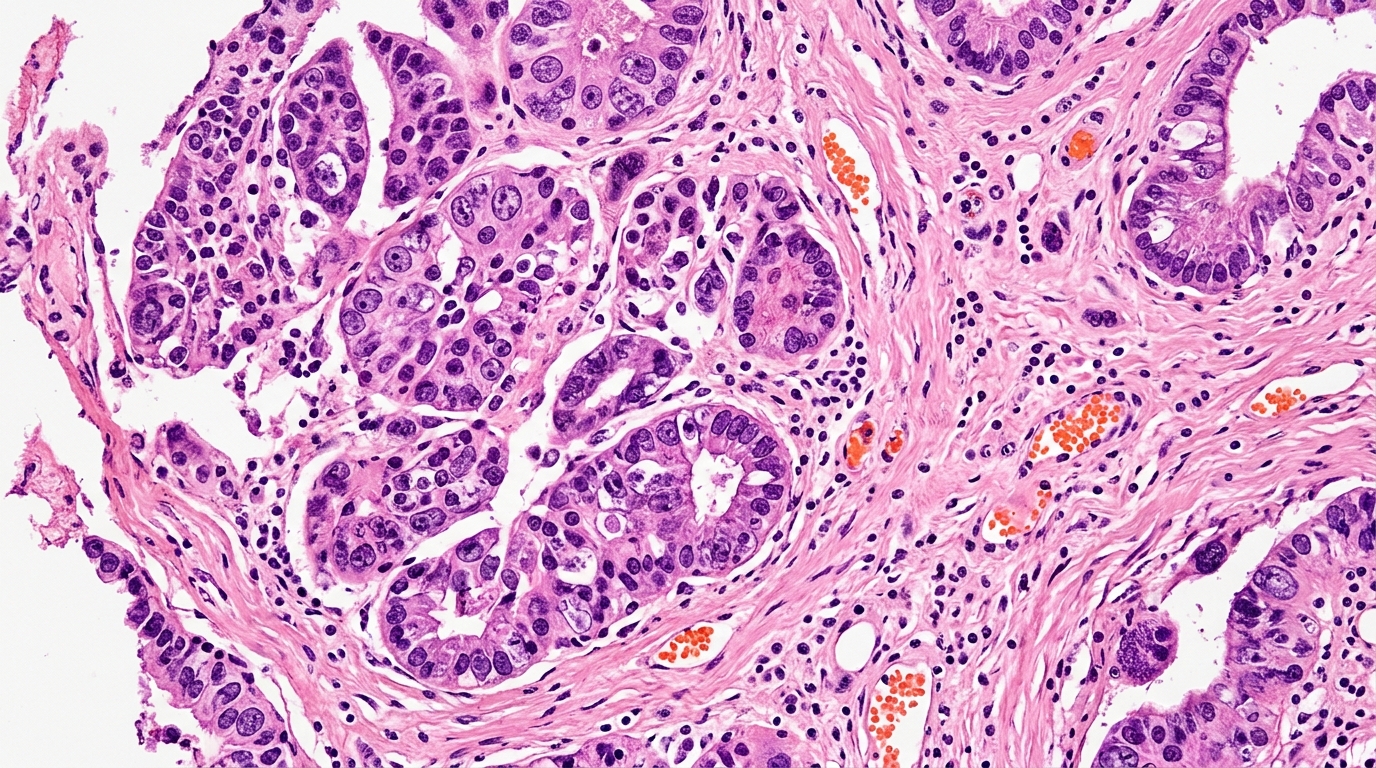
Deep learning models perform as well as traditional machine learning models when predicting cancer biomarkers from detailed genetic sequencing data. However, deep learning has clear advantages when only limited genetic data is available. This is the finding of a comparison study published in Genome Medicine. Researchers tested supervised and self-supervised deep learning models alongside traditional machine learning models. They used different amounts and types of sequencing data. The study examined genetic changes in tumors and found that model performance depended greatly on the type of sequencing data available. Deep learning performed especially well when the researchers used targeted gene panels instead of whole-exome sequencing.
Finding genetic biomarkers in tumor samples is important for precision cancer care. However, using these methods in hospitals can be difficult because of practical limits on computing resources. Current methods often turn large amounts of genetic sequencing data into smaller, predefined summaries. These summaries may miss important details about cancer genomes. Deep learning offers another approach. It can learn useful patterns directly from raw genetic data without needing people to create summaries first. However, doctors and researchers have been slow to adopt it because it has not been tested enough, and few studies have compared it systematically with established machine learning methods using real-world data.
To find useful guidance for building these models, the researchers studied 5,365 patient samples from the TCGA, CPTAC, GENIE, and GeneseeqPrime groups. They trained supervised and self-supervised deep learning models and compared them with machine learning models. The models used single nucleotide variants, copy-number variants, and combinations of different data types. The researchers focused on two important cancer-related tasks: predicting microsatellite instability and homologous recombination deficiency. They tested performance using whole-exome sequencing, simulated targeted panels, and real targeted gene panel data. They also used confidence intervals, measures based on clinical needs, calibration tests, and methods for understanding how the models made their predictions.
For predicting microsatellite instability, deep learning and traditional machine learning performed equally well on whole-exome sequencing data. Both methods achieved a precision-recall area under the curve of 1.00. Deep learning also kept relatively strong performance when tested with simulated and real targeted gene panels. However, differences between sequencing tests affected overall accuracy across datasets. These findings show that traditional machine learning can match deep learning when complete exome data is available. But deep learning can remain more reliable when only a limited set of genetic features is available.
For predicting homologous recombination deficiency, combining two types of genetic information—single nucleotide variants and copy-number variants—was the main factor affecting model performance. In tests using outside datasets, deep learning and machine learning achieved similar results. Their precision-recall area under the curve scores were 0.83 and 0.84, respectively. However, when the models used targeted gene panel data, deep learning performed better. It scored 0.94, compared with 0.89 for machine learning. Training models specifically for targeted panels also improved their ability to tell the groups apart with both methods. This shows why models should be designed and trained for the specific targeted sequencing tests they will use.
The researchers also compared the models with established diagnostic tools. They tested microsatellite instability predictions against MANTIS and MSIsensor. They compared predictions of homologous recombination deficiency with HRProfiler and SigMA. The results showed that the scores from these different tools reflected related but not identical patterns. The researchers also examined how the models made their predictions. Both deep learning and machine learning models relied on genetic mutation patterns that fit what scientists already know about cancer biomarkers. This suggests that deep learning models can learn meaningful biological features of cancer.
Overall, the accuracy of the predictions depended greatly on how much genetic data was available and which sequencing method was used. Deep learning matched traditional machine learning when the models had detailed genetic information. However, it had clear advantages when data was limited or when results had to work across different sequencing tests. The best-performing deep learning models were also small and easy to understand. The researchers concluded that, after adjusting models for specific sequencing tests and checking them in independent clinical studies, these methods could provide useful additional information from routine genetic sequencing data.
Subject of Research: Machine learning and deep learning for finding cancer biomarkers in genetic data
Article Title: End-to-end deep learning versus machine learning for biomarker discovery in cancer genomes
Article References: Unger, M., Loeffler, C. M. L., Vibert, J., Žigutytė, L., Sainath, S., Lenz, T., Mock, A., Fröhling, S., Graham, T. A., Carrero, Z. I., & Kather, J. N. (2026). End-to-end deep learning versus machine learning for biomarker discovery in cancer genomes. Genome Medicine. https://doi.org/10.1186/s13073-026-01829-1
Image Credits: AI Generated
DOI: 10.1186/s13073-026-01829-1
Keywords: deep learning, machine learning, cancer genomics, precision oncology, biomarker discovery, microsatellite instability, homologous recombination deficiency, whole-exome sequencing, single nucleotide variants, copy-number variants, multimodal integration, targeted gene panels, MANTIS, MSIsensor, HRProfiler, SigMA, TCGA, CPTAC
News Source: Blake Davidson. (November 27, 2026). Deep Learning Matches Machine Learning for Cancer Biomarkers but Leads in Targeted Panels. Scienmag.