
Retail workers urge AI safeguards as Walmart cashier describes faulty safety alerts
A worker's story shows how AI tools can interrupt daily work in stores. It also adds to workers' calls for the right to negotiate rules and for a person to review decisions before workers are punished.
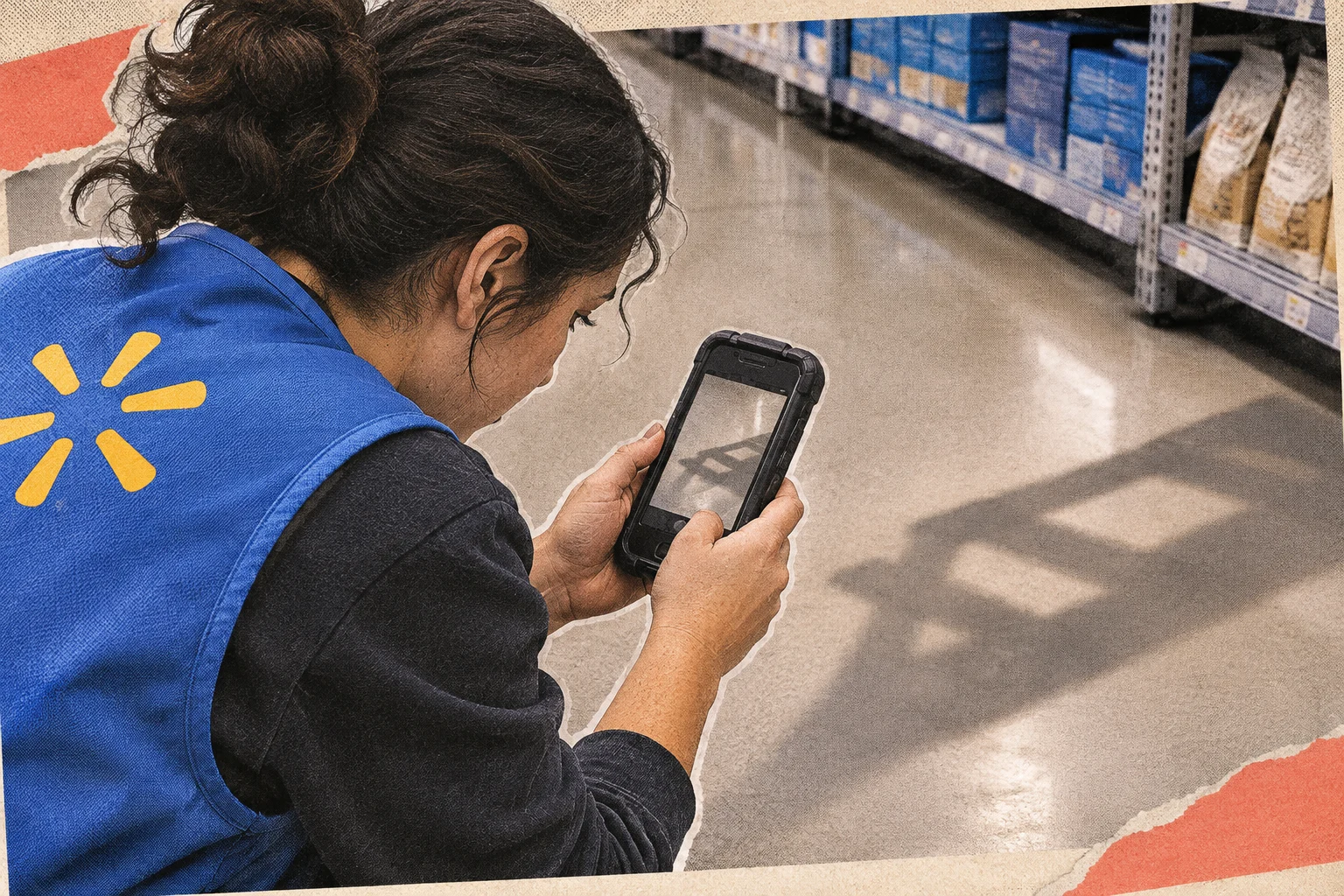
Walmart says its AI tools are meant to help workers. But a cashier told The Guardian that incorrect safety alerts can stop her from helping customers. Her story, published on November 27, comes as labor leaders call for rules that protect retail workers and give them a say in how AI is used at work.
The worker, who is identified only as Anna, works as a cashier at a Walmart store in southern Oregon. She is also a leader in the worker advocacy group United for Respect. She did not share her full name because she was afraid of being punished at work. She said AI tools affect more than daily tasks. They can also affect work schedules, attendance points used for discipline, and instructions about what workers must do on the shop floor.
When a safety alert stops the next task
Anna said she gets at least 10 or 15 safety alerts during each shift. She cannot use the app to move on to her next task until she clears an alert. To clear one, she must take a photo and upload it. She said the system can mistake a shadow or a sticker for a problem that needs attention. It can also send a maintenance problem to a store worker instead of the maintenance team.
She gave an example of being unable to help an upset customer who wanted to buy a pregnancy test. Anna had to clear an alert first. She said she had no problem dealing with a real safety risk. If she saw something dangerous on the floor, she would take care of it without waiting for an AI alert. Her concern was that the required app steps stopped her from helping the customer.
Walmart says its tools help workers and points to their confidence with technology
In response to The Guardian, Walmart said AI is meant to help customers and workers. The company said the tools are not meant to replace workers' judgment, experience, or skills. A company spokesperson said the tools are improved over time and that worker feedback helps make them more useful in stores.
The spokesperson also pointed to a company survey from June 2026. It found that 84% of workers said they felt confident using digital tools. But this number shows how confident workers feel using technology. It does not show whether the safety alerts Anna described are correct.
Workers had raised concerns before the holiday shopping season. Several hundred Walmart employees signed an open letter in September 2026. They asked the company to put workers first as it brings AI into its stores. In June, shareholders strongly rejected a proposal asking Walmart to report on how AI and automation affect workers.
Every worker deserves to have a human involved before any discipline takes place.
Stuart Appelbaum, president of the Retail, Wholesale, and Department Store Union, speaking to The Guardian
Labor leaders want worker protections written into contracts
Appelbaum said AI cannot understand personal situations that should be considered before someone is punished or fired. He said computer monitoring can put workers under so much pressure that they may be afraid to stop working or even use the bathroom. His union has reached agreements that protect workers when employers bring in AI and decide how to use it.
Crystal Weise, who leads policy and programs at the AFL-CIO Tech Institute, called for rules and labor agreements to stop unfair workplace monitoring. She said monitoring now happens in factories, warehouses, stores, and online shopping. She argued that workers and customers need people, rather than machines, to stay in control.
These concerns are about more than whether AI will take away jobs. A policy report published by Stanford University researchers in July 2026 said AI's current effect on total employment is "likely small." Workers and labor groups are also worried about how employees are scheduled, watched, and disciplined while they keep their jobs.
Bryan Wynn, national bargaining director for the United Food and Commercial Workers, said planning for these technologies is becoming a bigger part of contract talks and new labor agreements. Labor leaders want workers to have a say in how AI is used at work. They want this right to be part of contract negotiations, not just something employers ask workers about through feedback.
Sources
- theguardian.com‘It’s not helping’: calls for guardrails and regulations as AI use rises at US retailers