
OpenAI Backs Down in Apple Trade Secrets Fight, Agrees to Curb Use of Confidential Data
OpenAI has agreed to stop using Apple's proprietary information for product development while a trade secrets lawsuit between the two companies proceeds, a concession that came hours after a federal judge signaled he was leaning toward granting Apple's request for an injunction.
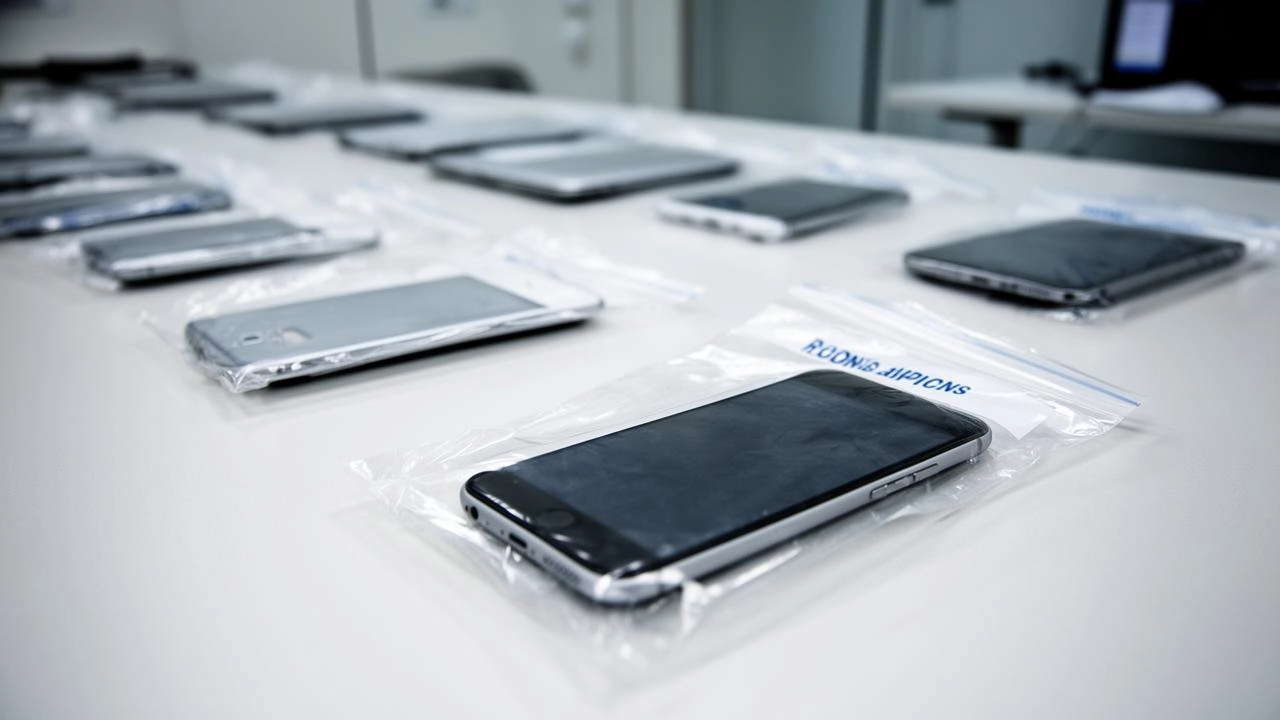
The agreement, reached during a hearing in the Northern District of California on Tuesday, requires OpenAI to collect and submit forensic images from the devices of 14 employees who previously worked at Apple. Judge Edward Davila will retain authority to enforce the terms.
The concession marks a significant shift in a dispute that has grown increasingly contentious since Apple filed suit in July. The iPhone maker accused OpenAI of poaching former hardware executives and engineers — including Tang Tan, who led hardware design, and Chang Liu — to extract trade secrets related to product design, manufacturing, and component technology as OpenAI pursues entry into the consumer hardware market.
OpenAI had initially resisted Apple's demands for a sweeping investigation. Apple ultimately narrowed its request to focus on the small group of former employees who moved to OpenAI rather than pursuing the broader examination it had originally sought.
Counterclaims over leaked files
Just before the courtroom concession, OpenAI formalized its plan to file a countersuit against Apple. In a supplemental case management statement submitted to the federal court, OpenAI alleged that a former employee who left for Apple after roughly six months at OpenAI had transferred more than 100 highly confidential files to a personal account.
The files, according to OpenAI, covered unreleased artificial intelligence hardware and included detailed exterior images, engineering and manufacturing data, supplier information, project files, exterior finish specifications, and component coating and sealing reports.
OpenAI said the employee leaked the material from Singapore on June 2 and subsequently presented a product roadmap to senior Apple executives, including the vice president of Asia regional operations. The company suggested Apple may have used that information in its recent unveiling of Siri AI-powered smart home hardware.
Apple has pushed back on the allegation, stating that it maintains strict policies prohibiting new hires from using confidential information from previous employers and that it has found no evidence supporting OpenAI's claims.
The tension between the two companies extends to the courtroom calendar. Davila indicated during the hearing that a trial could begin as early as October 2027, though OpenAI has said it could be ready by June of that year.
A deepening rivalry
The legal battle underscores how rapidly the relationship between Apple and OpenAI has evolved — and frayed. Apple integrated ChatGPT into its devices as part of its broader AI strategy, but both companies are now positioning themselves as competitors in the emerging market for AI-powered consumer hardware.
OpenAI has signaled ambitions to move beyond software into physical devices, while Apple recently introduced HomeView, a smart home product that incorporates Siri AI capabilities. The product launch came just days before the latest court filing, and OpenAI's legal team has pointed to it as evidence that Apple is accelerating its own AI hardware development.
In court documents, OpenAI expressed deep concern that its trade secrets and confidential information may be circulating within Apple, potentially allowing Apple engineers to design future products based on OpenAI's confidential innovations. Apple dismissed the assertion, saying its internal safeguards are robust and that OpenAI has not produced supporting evidence.
The dispute also highlights the fluidity of talent between the two Silicon Valley giants. The 14 employees whose devices will now be forensically examined represent a fraction of the cross-company movement that has become common in the competitive AI sector, where expertise in hardware-software integration is increasingly valuable.
For Apple, the injunction request reflects a broader effort to protect its hardware design and manufacturing know-how as it defends its position in consumer electronics. For OpenAI, the countersuit appears designed to create leverage and cast doubt on Apple's own conduct, even as the company agreed to the interim restrictions.
Judge Davila's willingness to grant Apple's request for forensic examination of the former employees' devices suggests the court sees merit in Apple's core argument that proprietary information may have followed workers to OpenAI. The forensic images will allow Apple's legal team to search for traces of its confidential files on the drives of the former employees now working at OpenAI.
The case is being closely watched across the technology industry, where trade secrets litigation has become a common feature of competition for AI talent. The outcome could influence how aggressively companies pursue former employees who move to rivals, and how courts balance the protection of proprietary information against employee mobility.
Neither company's executives have commented publicly beyond the court filings. The next phase of litigation will likely center on the forensic examination process and OpenAI's anticipated formal counterclaim.