
Assoc. Prof. Dr. Ha Thi Thanh Huong: Bringing artificial intelligence closer to human health.
Winning first prize in the Mid-Career category at the 2026 ASEAN-US Science Prize for Women, Associate Professor Dr. Ha Thi Thanh Huong continues to make her mark on the research journey of applying artificial intelligence to healthcare. For her, the goal of research is not only scientific publications but also the development of diagnostic tools suitable for Vietnam's conditions and the maturation of the younger generation of scientists.
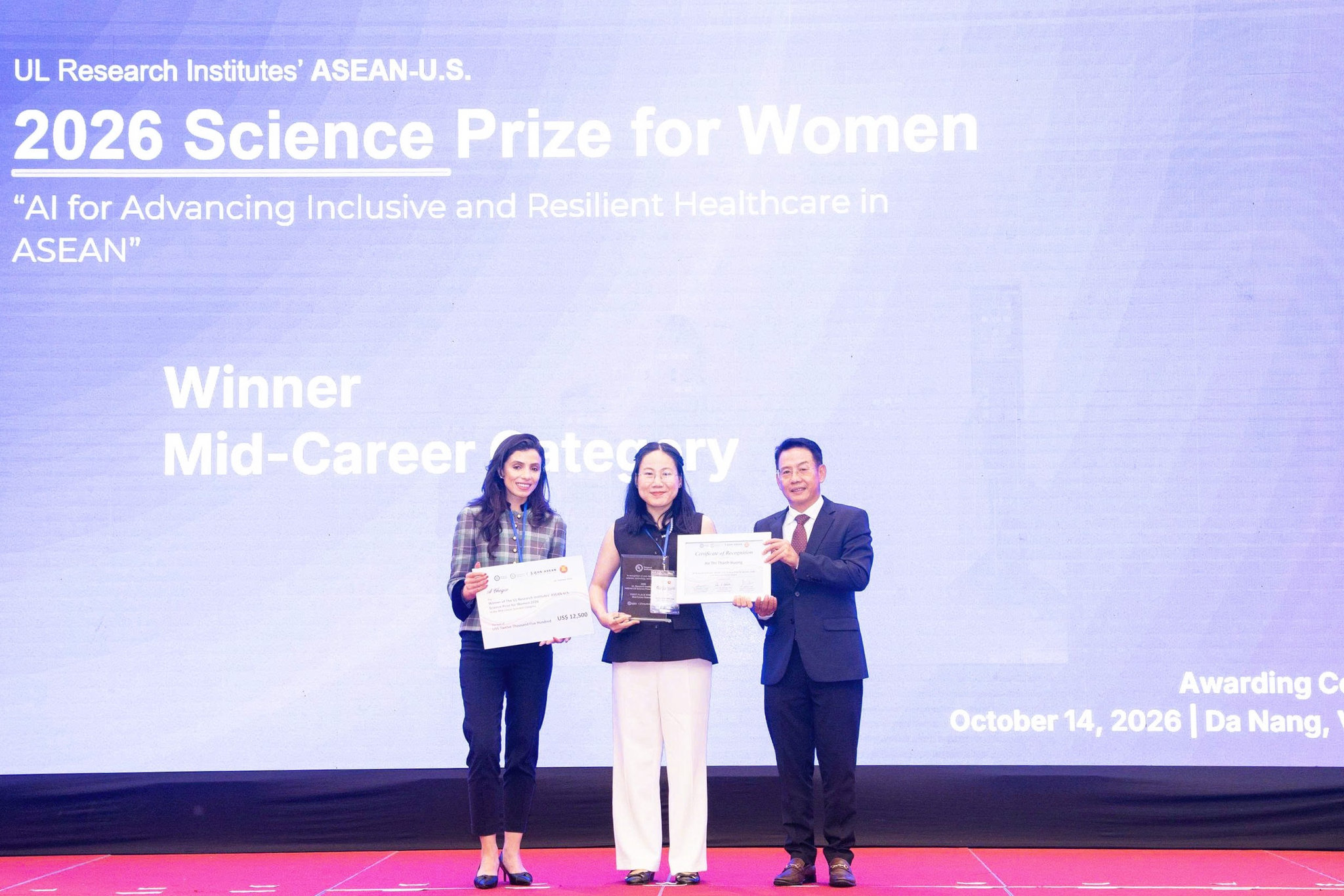
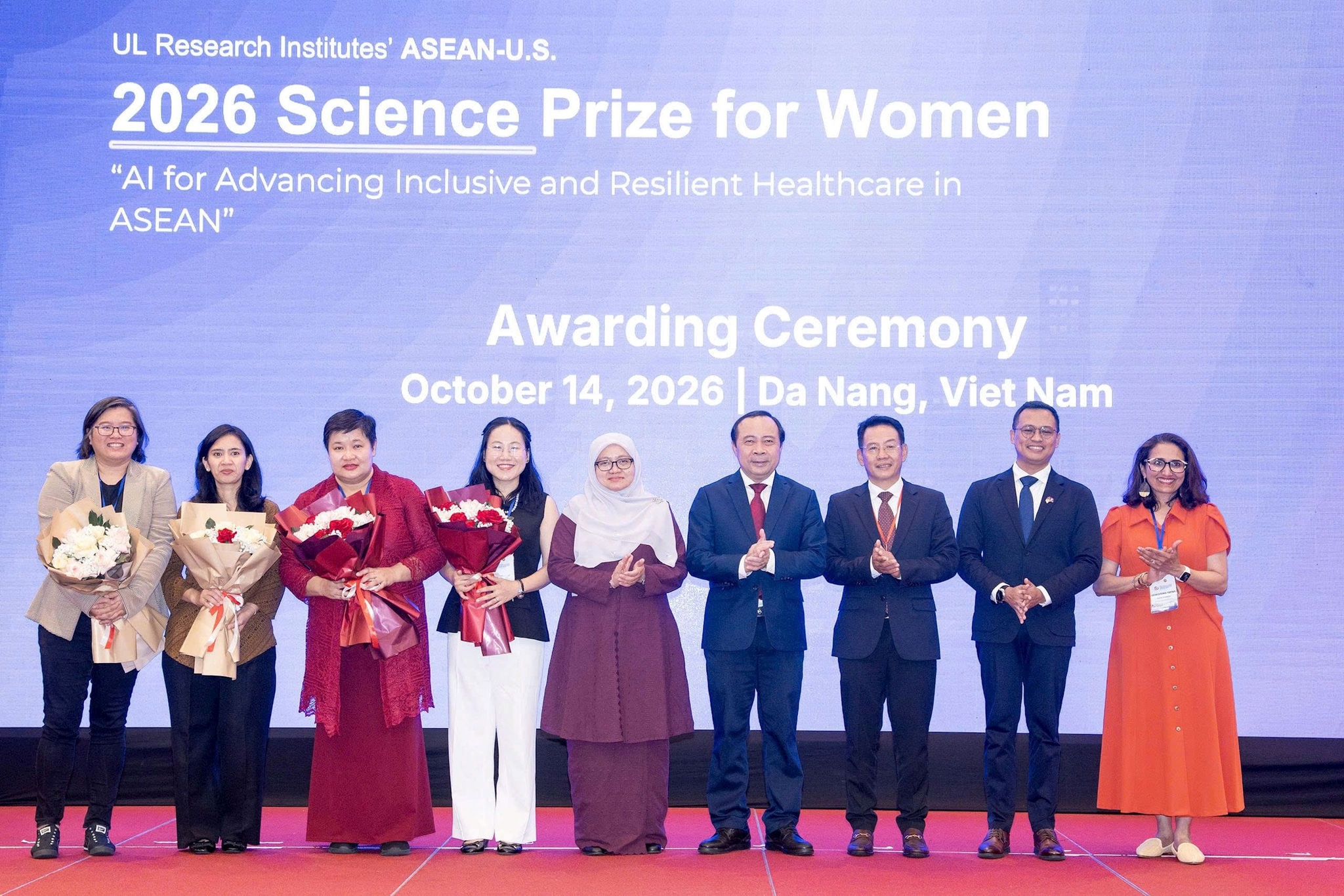
Acknowledging scientific contributions
Associate Professor Dr. Ha Thi Thanh Huong , born in 1989, Head of the Department of Tissue Engineering and Regenerative Medicine, Faculty of Biomedical Engineering, International University, Vietnam National University Ho Chi Minh City, has just won first prize in the Mid-Career category at the ASEAN-US Science Prize for Women 2026. This category is for scientists aged 45 and under, recognizing their research achievements, their role in mentoring the next generation, and their contributions to scientific cooperation in the region.
This year, the award's theme is " Artificial Intelligence (AI) for Inclusive and Resilient Healthcare Systems in ASEAN," focusing on AI applications in diagnostic imaging, personalized medicine, health equity, drug development, and digital healthcare. This is also the field that Associate Professor Dr. Ha Thi Thanh Huong and her colleagues at the Brain Health Lab have been pursuing for many years.
Her team has focused on combining artificial intelligence with biomedical technology to support the detection, monitoring, and diagnosis of neurological and mental health conditions such as Alzheimer's, depression, and anxiety disorders. This approach stems from issues of practical significance to public health and also highlights the need to develop tools suitable for the medical conditions and accessibility of the Vietnamese population.
Notably, the ASEAN-US Science Prize for Women does not only assess research achievements. According to the rules, scientific results account for 50% of the total score; the role of mentoring women in science, technology, engineering, and mathematics (STEM) accounts for 25%; and regional collaboration and impact account for 25%. This assessment method places research capacity in relation to the responsibility of developing a workforce and disseminating knowledge.
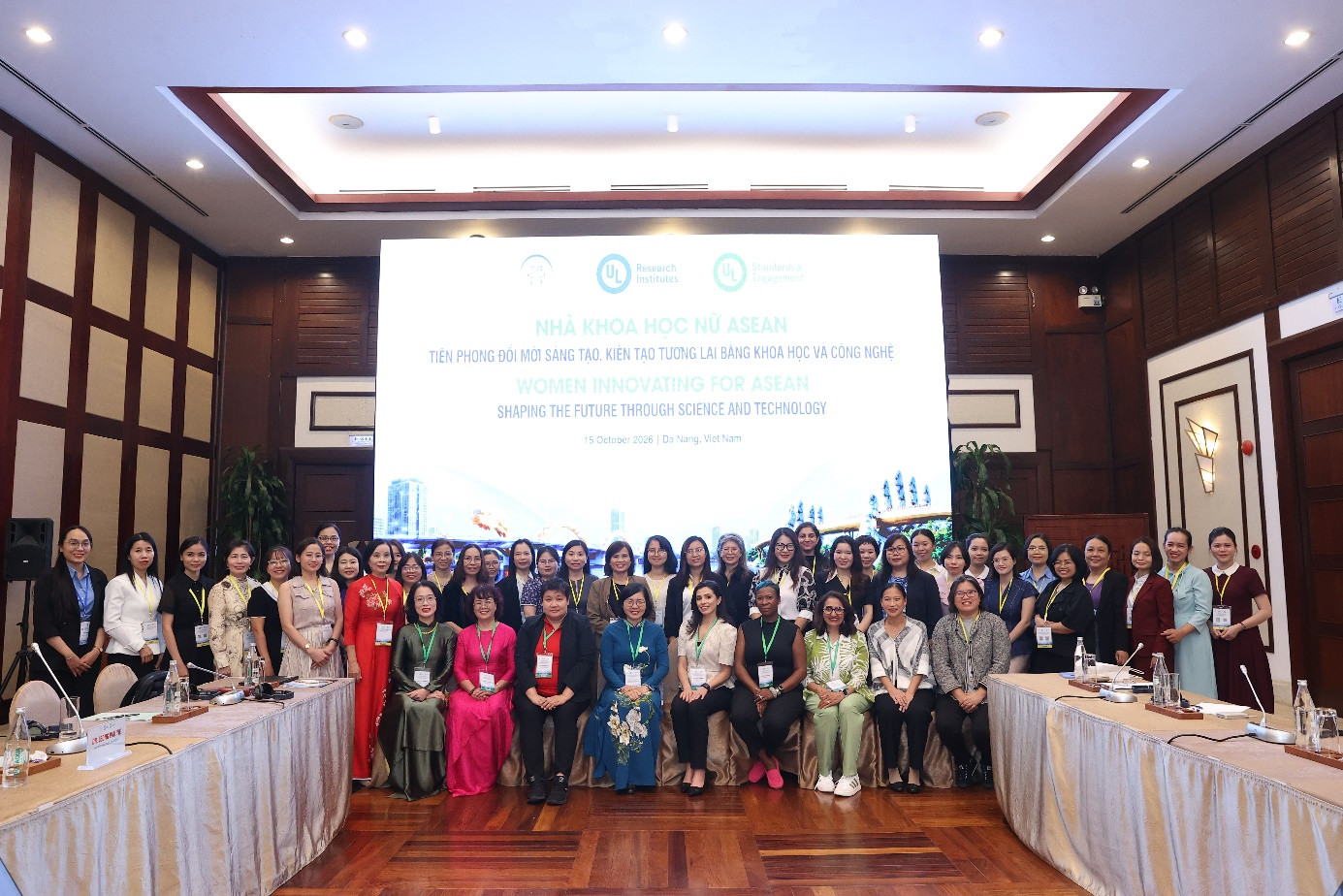
Sharing her thoughts on being selected to represent Vietnam at the award ceremony, Associate Professor Dr. Ha Thi Thanh Huong stated that this was a great opportunity for herself and her research team. She also emphasized that the recognized results not only belong to a single project but reflect the collective efforts of students, researchers, and collaborators from various fields, ranging from clinical science and computer science to medicine and healthcare.
From the laboratory to healthcare applications
Associate Professor Dr. Ha Thi Thanh Huong graduated with top honors in Biotechnology from the Faculty of Science, Vietnam National University Ho Chi Minh City. After graduation, she participated in research at the Clinical Research Centre of Oxford University (UK) before receiving a scholarship to study at Stanford University (USA) in 2012.
In 2018, after completing her PhD in Neuroscience at Stanford, she returned to Vietnam to work at the International University, Vietnam National University Ho Chi Minh City. There, she established the Brain Health Lab research group, gradually developing a research direction that combines neuroscience, biomedical technology, and artificial intelligence. At the end of 2025, she was appointed Associate Professor at the age of 36.
One of the group's notable research areas is the Brain Analytics project, launched in 2023, which uses artificial intelligence to analyze cranial magnetic resonance imaging (MRI) to aid in the diagnosis of Alzheimer's disease. According to research documents, the software can analyze data in approximately 7 hours and achieve an accuracy rate of around 96% when trained and validated against the US ADNI database.
The product has been tested by doctors and medical students at 8 hospitals nationwide, with 80% of users expressing satisfaction with its features. The research team continues to test and optimize the model using MRI brain data from Vietnamese people, aiming for more suitable applications in the country.
In addition to Brain Analytics, Associate Professor Dr. Ha Thi Thanh Huong's team also developed a remote electroencephalogram (EEG) measurement system integrated with automatic ultrasound stimulation control. The device is designed to remotely record EEG signals while simultaneously controlling transcranial ultrasound stimulation in real time; data can be monitored via the internet, supporting the detection of neurological pathologies and improving diagnosis.
Another research direction is the application of machine learning to estimate students' stress levels through data on emotions, behavior, and physiological indicators. The system aims to identify stress levels, thereby supporting early detection and intervention. Other works by the group focus on classifying gliomas from MRI images, assessing cognitive decline in elderly Vietnamese people, studying the impact of mindfulness on brain activity, and automatically identifying stress using electroencephalography combined with artificial intelligence.
To date, Associate Professor Dr. Ha Thi Thanh Huong has published 44 scientific articles, including 19 in prestigious international journals; she has been granted one utility model patent and has another utility model patent application that has been accepted as valid.
These achievements follow a research process recognized through numerous national and international awards. In 2020, she received the Young Scientist Award from the International Brain Research Organization (IBRO). She also received the L'Oréal - UNESCO Scholarship for Women in Science in 2022, the Women of the Future Southeast Asia Award, the Vietnam Golden Globe Award, the title of Outstanding Young Citizen of Ho Chi Minh City in 2023, and the Vietnam Women's Award in 2024.
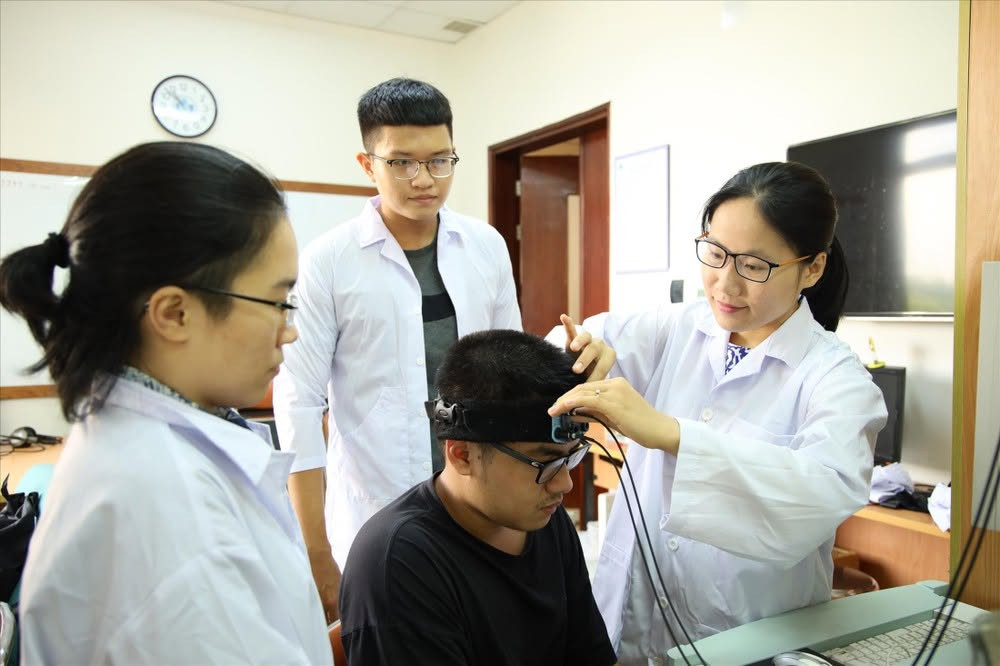
However, for the female associate professor, scientific research is not limited to publications or awards. In her teaching, she focuses on guiding students in research from the selection of topics and the development of methods to the publication of results; encouraging students to proactively explore, solve problems independently, and accumulate experience through each step of the scientific process.
This is also one of the aspects that aligns with the spirit of the ASEAN-US Science Prize for Women 2026: recognizing individual achievements while highlighting the role of mentoring the next generation and promoting scientific collaboration. In Associate Professor Dr. Ha Thi Thanh Huong's journey, building research groups and creating opportunities for students and young scientists to participate in projects is an important part of that process.
Another motivation she shared was a desire to contribute to changing how society views mental health. According to her, conditions such as depression, anxiety disorders, and Alzheimer's disease need to be viewed on a scientific basis, rather than simply as a matter of the patient's will or emotions.
Winning first prize at the 2026 ASEAN-US Science Prize for Women is a new recognition of Associate Professor Ha Thi Thanh Huong's contributions to applied artificial intelligence research in healthcare. More broadly, her journey is also linked to efforts to bring research closer to healthcare needs and to nurture young people to continue pursuing scientific careers.