
‘Fake AI’ Bait ... Data Stolen from 1,200 U.S. Companies
According to the latest threat analysis report published on the 18th by global cybersecurity firm Aviatrix, 1,258 U.S. companies were targeted by a new information-stealing malware program disguised as an AI tool.
The key to the attack was that it exploited the everyday work habits of corporate employees.
Hackers created phishing sites that closely imitated official update pages or Windows desktop installation screens for commercial generative AI tools frequently used by office workers, such as ChatGPT, Claude and Copilot.
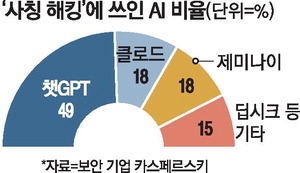
In an analysis of more than 92,000 “fake AI” attacks detected this year, cybersecurity firm Kaspersky found that ChatGPT from OpenAI accounted for 49%—nearly half—of the brands impersonated by hackers, while three well-known AI brands, including Claude from Anthropic and Gemini from Google, made up 85% of all the lures.
Hackers bought “sponsored” listings (paid keyword ads) at the top of Google and other major search engines, steering users to visit these fake sites first.
The trap was sprung as soon as an employee downloaded and ran an installation file to improve work efficiency. The screen appeared to show a legitimate AI program launching, but a command from PowerShell, a Windows management tool, was secretly run in the computer’s background.
Within seconds, the malware scooped up login session cookies from web browsers stored on PCs, authentication tokens for cloud administrators, and access privileges for internal financial and payment systems, then sent them to the hackers’ external server.
What has particularly caught the attention of security experts is the method of stealing “authentication tokens.”
If someone falls victim to this method, it makes no difference how complex they make their username and password or whether they enable SMS-based two-factor authentication. That is because the attackers copy the “digital pass” (session token) itself, which proves that the user has already passed the login process. A cybersecurity industry insider stressed, “Strong management and oversight are needed to completely block software installations except through officially approved in-house AI channels.”
[Reporter Oh Chan-jong]