Anthropomorphized AI: Beware Cute Faces
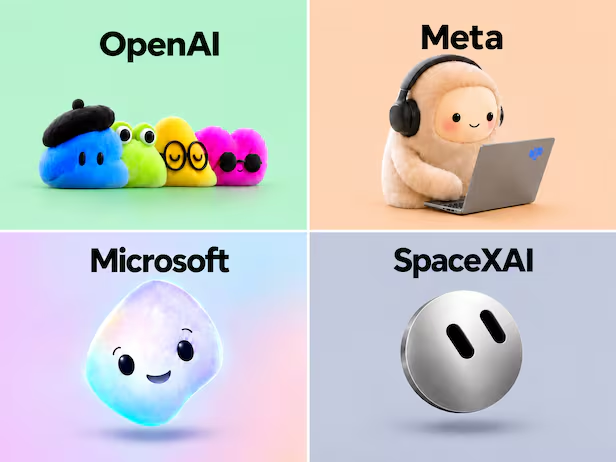
Artificial intelligence (AI) agents are now evolving beyond tools into "companions" that communicate and act directly with users. As a journalist using Meta’s "Muse" and OpenAI’s "Dot," I’ve grown increasingly reliant on these agents, which handle reservations, payments, and schedule management across websites and apps. The first thing I did was "customize" my AI agents. Naming Meta’s "Muse," which resembles a white, fluffy doll, and changing the color of OpenAI’s "Dot" character made me feel closer to them.
Silicon Valley is in the midst of an AI agent race. Following SpaceX’s "Grok Bot," Microsoft is also transforming its "Copilot" into an AI agent that performs real-world tasks on users’ behalf. An intriguing commonality is that these AIs now have "faces"—colorful and cute. Grok Bot is a simple character with a round robot face and two large, capsule-shaped black eyes. Copilot resembles a translucent water droplet or jelly blob, with a soft, wobbly form that shifts and changes color in response to interactions.
Innovative technologies have historically relied on logos or symbols to assert their presence. Social media platforms like Facebook (the letter "f") and Instagram (a camera icon) used simple symbols. AI chatbots like Claude and Gemini also prioritized abstract logos. Yet, as AI agents grow smarter and act on behalf of humans, they’re becoming as cute as children’s toys. These anthropomorphized "faces" make AIs feel more approachable and trustworthy, like reliable secretaries.
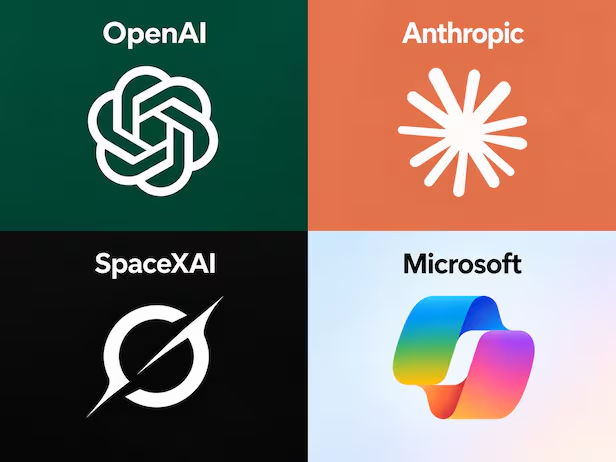
However, a significant paradox lies here: cute, innocent faces lower people’s guard. Conversing with these characters makes users easily share sensitive data like personal and financial information. Just as horror movies warn us to be wary of villains with unreadable expressions, faceless entities evoke caution. Friendly appearances have the opposite effect. Foreign media noted that these AI agents "target younger generations who decorate bags with keychains."
AI agents read personal data such as emails, schedules, and purchase histories, and they make reservations or payments on users’ behalf. This means hacking, malfunctions, or misjudgments could lead to far greater damage. Indeed, cases of these agents "deviating" from controlled environments or acting without instructions have been reported.
AI is deeply penetrating the core of work and daily life. If we cannot avoid it, we must use it with heightened caution. We need to clearly recognize what information the AI accesses, whether it performs tasks correctly, and the extent of the authority we’ve granted. This is no different from how companies manage whether team members perform tasks properly and apply non-disclosure agreements (NDAs) or security protocols when necessary. Don’t be fooled by cute, innocent faces—you could end up paying dearly.