
AI automation reshapes recruitment as Anthropic sees entry-level hiring drop to 9%
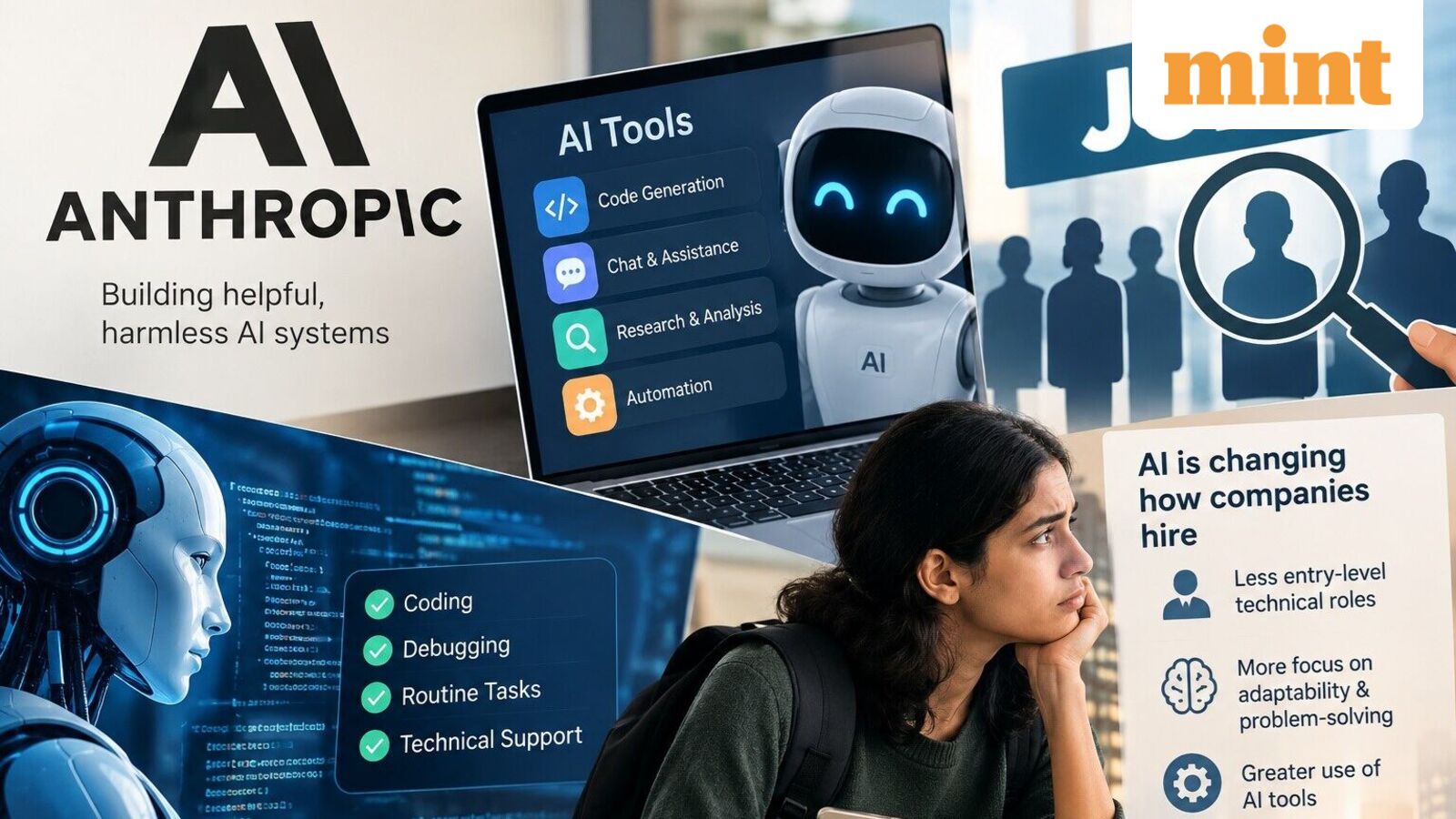
Artificial intelligence research lab Anthropic has recorded a steep decline in its proportion of junior technical hires, with entry-level roles dropping from 27% to just 9% of technical intakes as automated systems absorb routine workloads, according to internal company data released in a new report.
The findings offer concrete evidence of how rapid AI deployment is altering entry-level employment dynamics in the technology sector, even at the very firms developing the systems.
In its technical research report, titled “How Employment is Changing at Anthropic,” The Anthropic Institute said, “The share of junior-level employees in technical departments at Anthropic slipped from 21% to 14% since early 2025. The proportion of junior technical hires fell even faster, from 27% to 9%.”
AI Agents Outpace Human Hours as Coding Productivity Soars
The report, based on internal employment and productivity metrics alongside 17 employee interviews, reveals that engineering and research teams significantly curtailed junior technical recruitment by April 2026.
The report stated, “Around a third of ML and a fifth of SWE managers reported hiring less due to AI.”
The shift coincides with the widespread deployment of autonomous AI agents capable of handling foundational tasks such as writing code, debugging, and executing technical maintenance. By August 2026, employee-directed AI systems were performing six times as many active work hours as human staff members.
The report said, “By August the agents worked 6 times as many hours as their human handlers.”
This automated leverage drove substantial output gains across the organization:
- Engineering Output: Individual code commits per engineer multiplied fivefold compared to levels recorded six months earlier.
- Non-Technical Functions: Employees across sales, legal, and finance divisions similarly logged notable productivity increases through AI integration.
However, the authors noted that increased operational volume does not automatically yield superior commercial outcomes, cautioning that non-AI variables also contributed to the overall performance gains.
Adapting Skill Priorities and Policy Requirements
As routine technical execution becomes automated, recruitment criteria across teams are shifting toward high-level oversight. Hiring managers are now prioritizing soft skills and strategic capabilities over purely technical specializations, emphasizing:
- Independent critical judgment and strategic decision-making
- Adaptability in fast-moving work environments
- Proficiency in directing and orchestrating AI workflows
While the proportion of junior technical hires contracted, Anthropic’s total head count expanded over the same period, with overall technical hiring rising in absolute terms.
The report observed, “Increasingly, hiring managers assess applicants based on their judgment and commitment, rather than the domain-specific skills and execution automated by AI tools.”
Nevertheless, the findings underscore growing industry-wide concerns regarding career pathways for recent graduates. The report concludes that targeted government interventions, including worker retraining initiatives and income support frameworks, will be necessary to mitigate potential labor market disruptions as AI adoption expands.
Acknowledging the challenge, the report stated, “Employment protections for incumbents will not benefit those not hired to begin with.”