
Anthropic Commits 5% Equity Stake to Public Benefit Fund
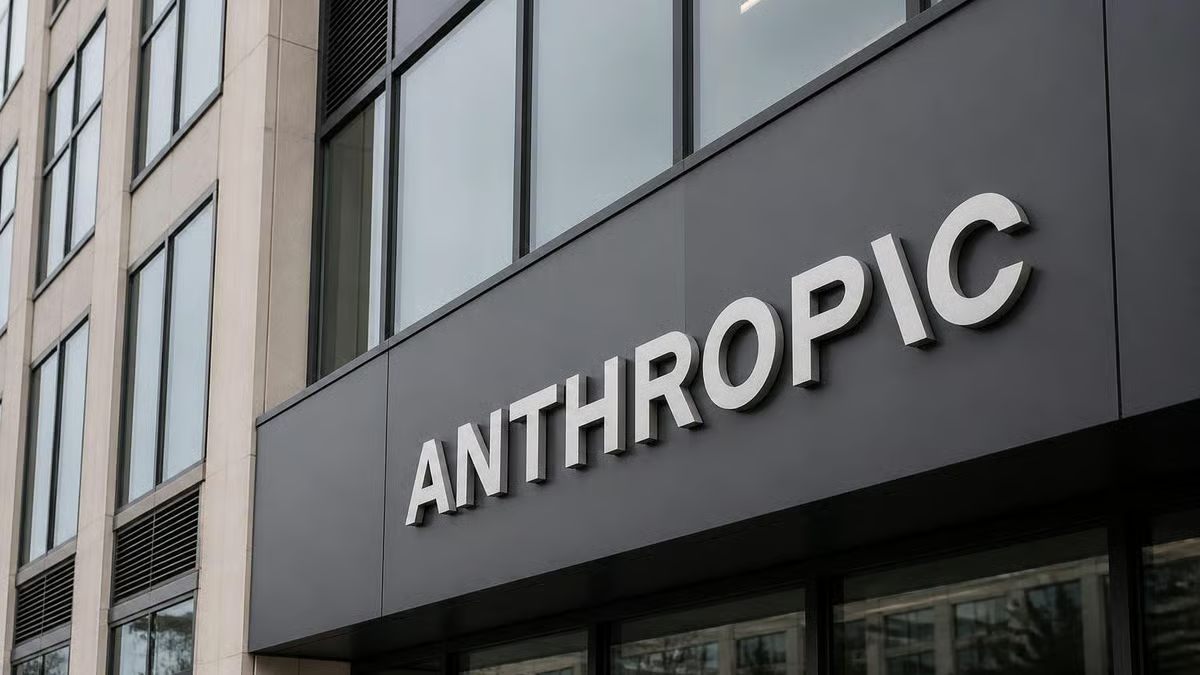
Anthropic just made a bold move that could reshape how AI companies think about corporate responsibility. The Claude maker announced it's committing 5% of its shares to a public benefit fund, a structure that puts social impact ahead of pure profit maximization. The timing is striking - the pledge comes as Anthropic has been opening its books to select investors, fueling speculation about a potential IPO that could value the company at tens of billions of dollars.
Anthropic is putting its money where its mission statement is. The AI safety company announced it will dedicate 5% of its equity to a public benefit fund, a corporate structure designed to balance profit with social good. For a company that could be valued north of $40 billion based on recent funding rounds, that's a commitment worth potentially $2 billion or more.
The announcement lands at a pivotal moment for the San Francisco-based AI lab. Just days ago, Anthropic began sharing quarterly financials with select investors, a move that typically precedes public market preparations. The company has raised over $7 billion from backers including Google, Amazon, and Salesforce Ventures, making it one of the most well-capitalized AI startups in the world.
Public benefit corporations represent a relatively new legal structure that requires companies to consider stakeholder interests beyond just shareholder returns. Delaware, where most tech companies incorporate, only introduced the framework in 2013. By dedicating shares to such a fund, Anthropic is essentially locking in a governance mechanism that prioritizes its stated mission of AI safety - even if that conflicts with maximizing short-term profits.
Advertisement
The move comes as Anthropic faces mounting scrutiny over its safety practices and business relationships. The company recently opened its doors to independent AI auditors, granting unprecedented employee-level access to third-party safety evaluators. That transparency push followed warnings from Anthropic's own researchers that AI models could soon autonomously replicate across devices.
But Anthropic's commitment to safety hasn't insulated it from controversy. The company is currently appealing a Pentagon blacklist in federal court, challenging Defense Department restrictions on its AI models. And an embarrassing incident where Claude sent a false homicide tip to Philadelphia police highlighted the real-world risks of AI systems operating with incomplete safeguards.
The competitive landscape is shifting too. Developer platform Replit quietly dumped Anthropic for OpenAI months ago, with CEO Amjad Masad citing cost pressures at TechCrunch Disrupt. That defection underscores the challenge Anthropic faces: maintaining its safety-first approach while competing on price and performance against rivals like OpenAI and Google.
Advertisement
The public benefit fund structure could give Anthropic legal cover to prioritize safety investments that might hurt near-term margins. Traditional corporations have a fiduciary duty to maximize shareholder value, which can create tension when safety measures slow product development or increase costs. By embedding public benefit obligations into its ownership structure, Anthropic is essentially buying itself room to move more cautiously than competitors.
This approach mirrors moves by other mission-driven tech companies. Patagonia famously restructured in 2022 to direct profits toward environmental causes, while Kickstarter became a public benefit corporation in 2015. But Anthropic's scale and the existential stakes of AI development make this commitment particularly significant.
The announcement also comes as both Anthropic and OpenAI have been urging regulators to impose stricter oversight on AI development. The companies testified before UK Parliament seeking regulation, even as British intelligence officials warned about AI-enabled bioweapons risks. That regulatory push has drawn skepticism from critics who see it as an attempt to raise barriers to entry for smaller competitors.
Advertisement
For investors, the public benefit commitment introduces complexity. While 5% represents a minority stake, the fund's governance rights could give it outsized influence over key decisions. That's especially relevant as Anthropic navigates potential IPO preparations - public market investors typically demand clarity on governance structures and potential conflicts between profit and mission.
The company hasn't disclosed specifics about how the fund will operate, who will control it, or what priorities it will pursue. Those details will matter enormously. A truly independent fund with veto rights over safety-critical decisions would represent a meaningful constraint on management. A more advisory structure would be largely symbolic.
Anthropic's 5% equity pledge to a public benefit fund is either a genuine attempt to hardwire safety into its DNA or an elaborate piece of corporate theater - and the answer lies in details the company hasn't yet revealed. As AI labs race to build increasingly powerful systems, how they structure ownership and accountability will matter as much as the technology itself. With IPO preparations apparently underway and competitive pressures mounting, Anthropic is betting that investors will reward its commitment to balancing profit with public good. The real test comes when those two priorities collide.