
Artificial Intelligence: Part 5 — A Practical Glossary from A to Z
Part 5: A Simple Guide to AI Terms [A-Z]

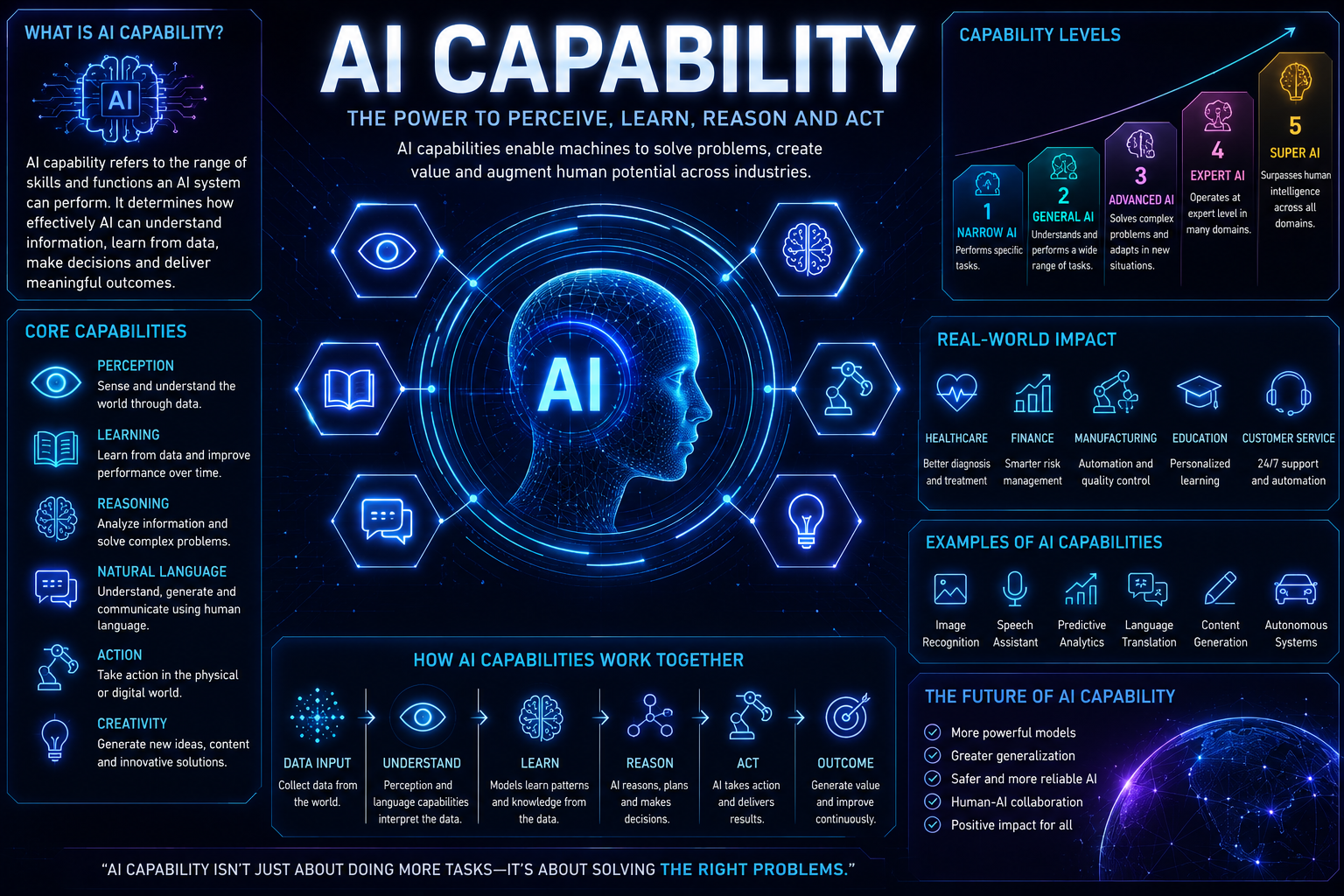
Capability
In AI, capability means what a system can do. One AI model may be able to translate languages, another may make pictures, and another may write computer code or work out answers using information from documents. But being able to do a task does not mean the AI will always do it well. It may succeed sometimes and still make mistakes. Before using it, we should ask: can it do the job well every time, safely and in a useful way?
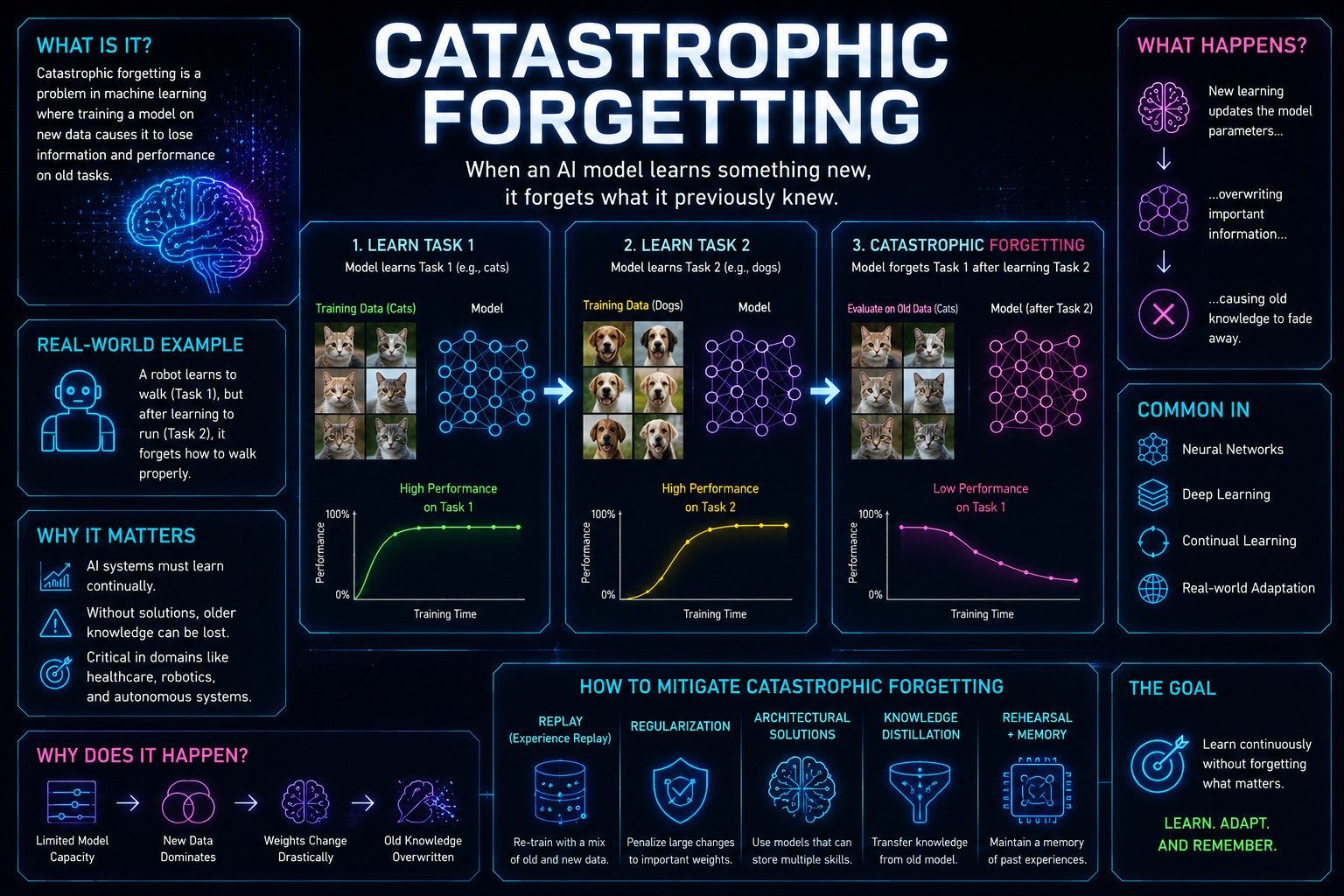
Catastrophic Forgetting
Catastrophic forgetting happens when an AI model learns something new but becomes worse at remembering or using what it knew before. This can be a problem when AI systems are updated over time. People forget things too, but AI models can sometimes lose old knowledge suddenly and in unexpected ways. Researchers are looking for ways to help AI keep learning new things without losing what it learned earlier.
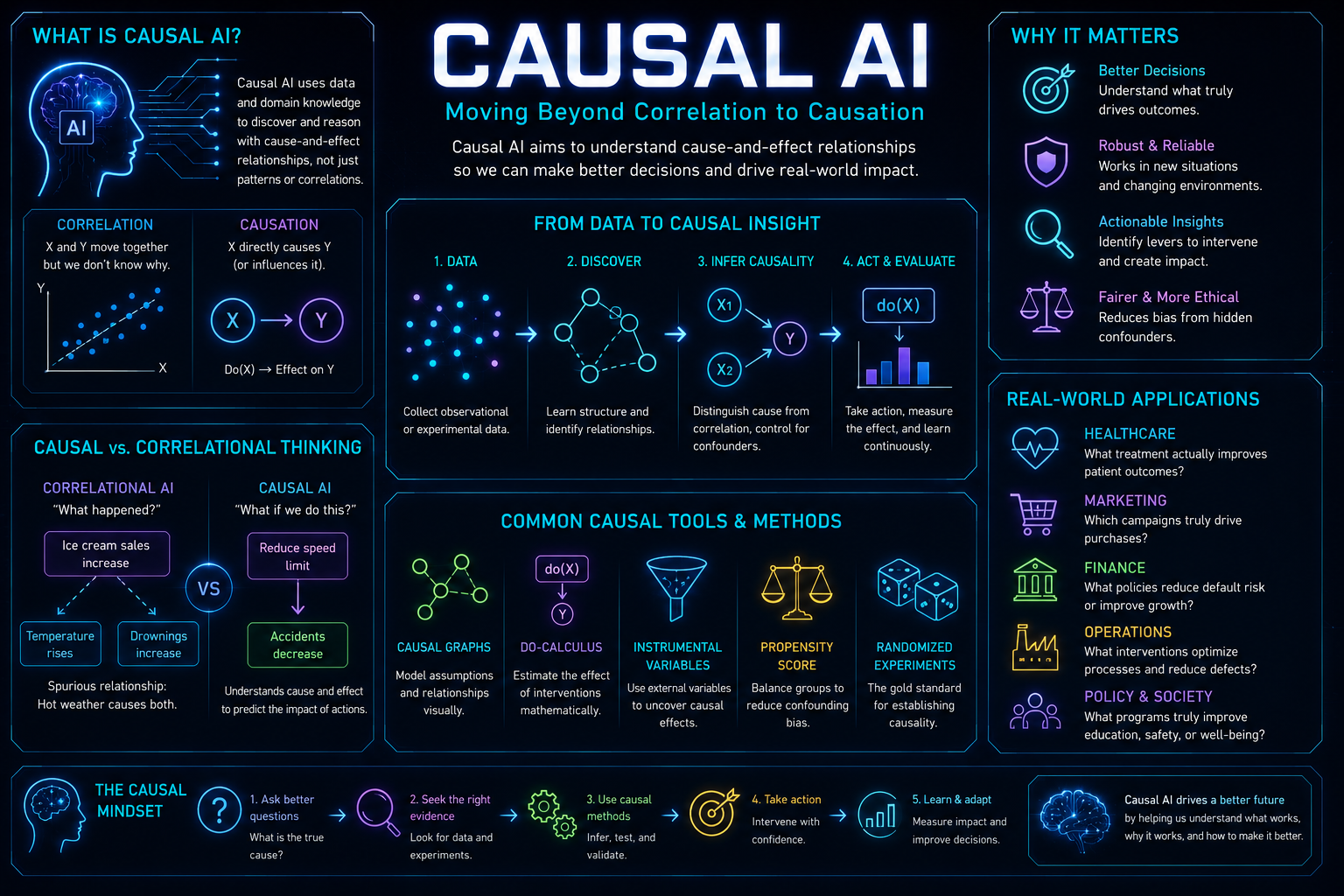
Causal AI
Causal AI looks at what causes things to happen, not just at things that seem connected. Many AI systems can spot patterns. For example, people who buy product A may often also buy product B. But that does not prove that buying A makes them buy B. Causal AI asks a deeper question: did A really cause B? This is important in medicine, economics, government decisions and business, because making choices based on a false connection can cause harm.
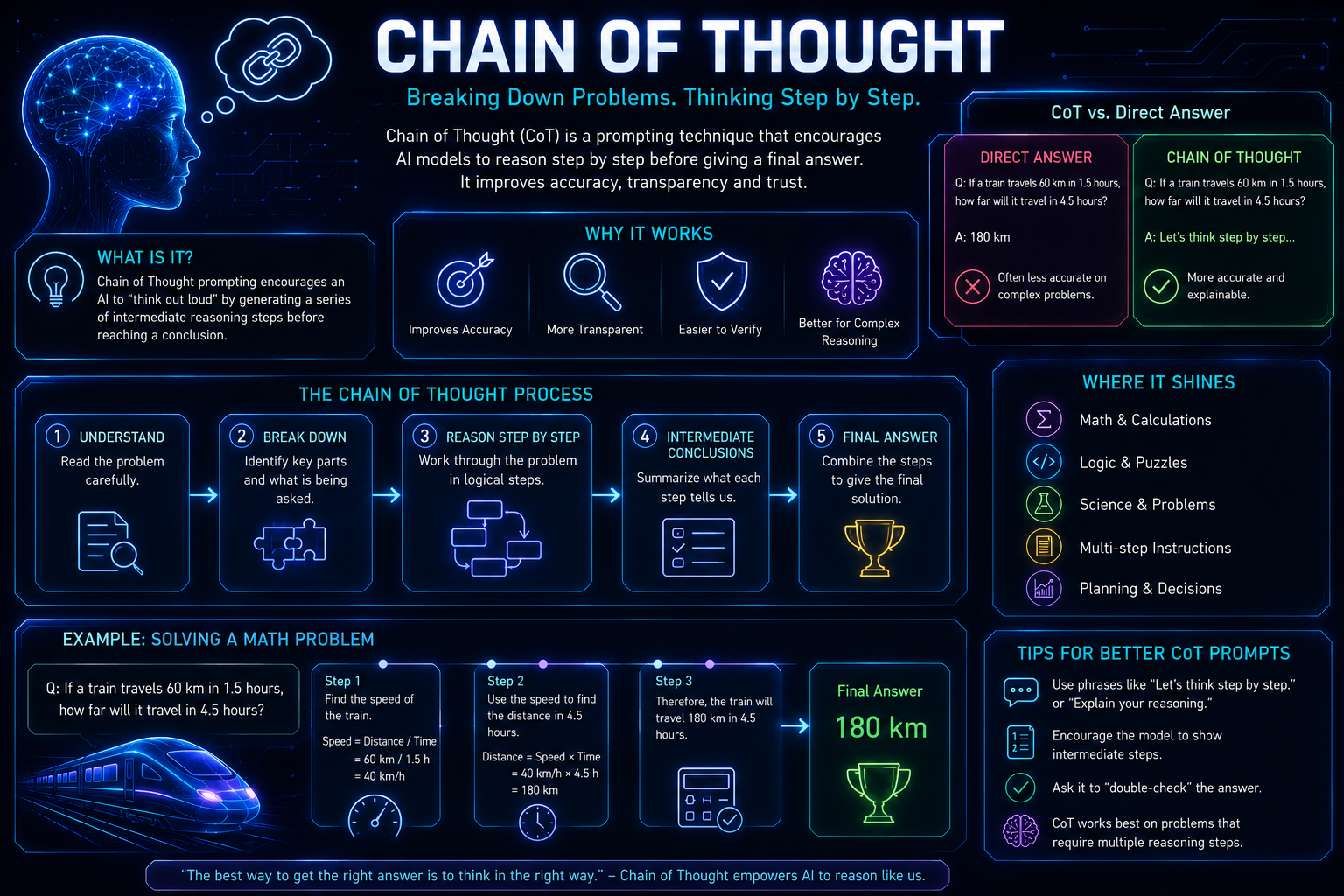
Chain-of-Thought
Chain-of-thought means breaking a problem into steps to help an AI model work towards an answer. For example, a maths problem may be easier to solve when it is split into smaller steps. But be careful: the steps an AI shows may sound right even when they are wrong. The most important thing is not how clever the explanation sounds. It is whether the final answer is correct and can be checked.
Chatbot
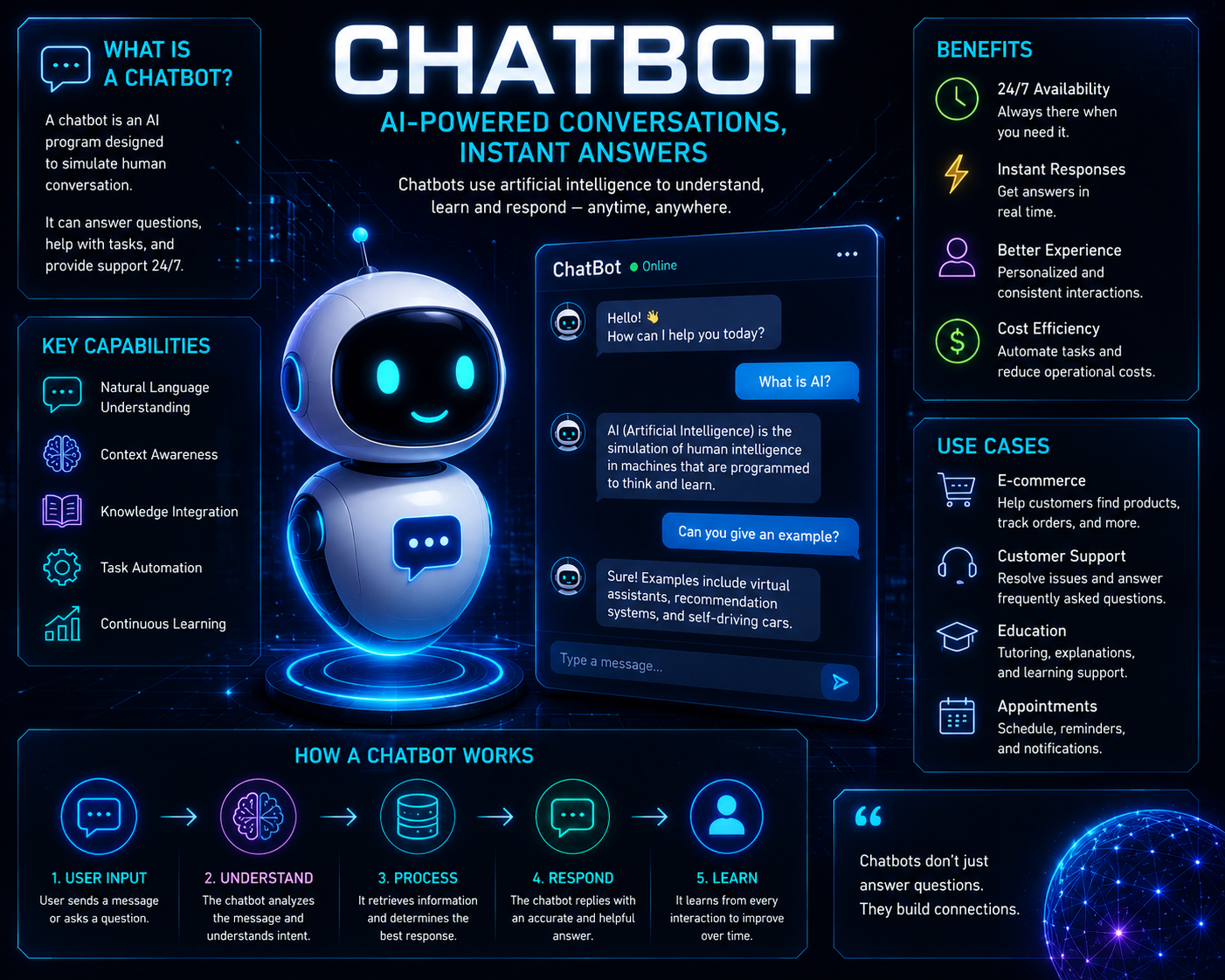
A chatbot is a computer program that talks with people. Older chatbots followed simple, prepared instructions. Modern AI chatbots can answer questions, write text, shorten long documents, translate languages, help write code and copy the style of a conversation. Because they use everyday language, they can seem intelligent. But they can still misunderstand a question, invent facts or give bad advice. That is why their answers need to be checked.
ChatGPT
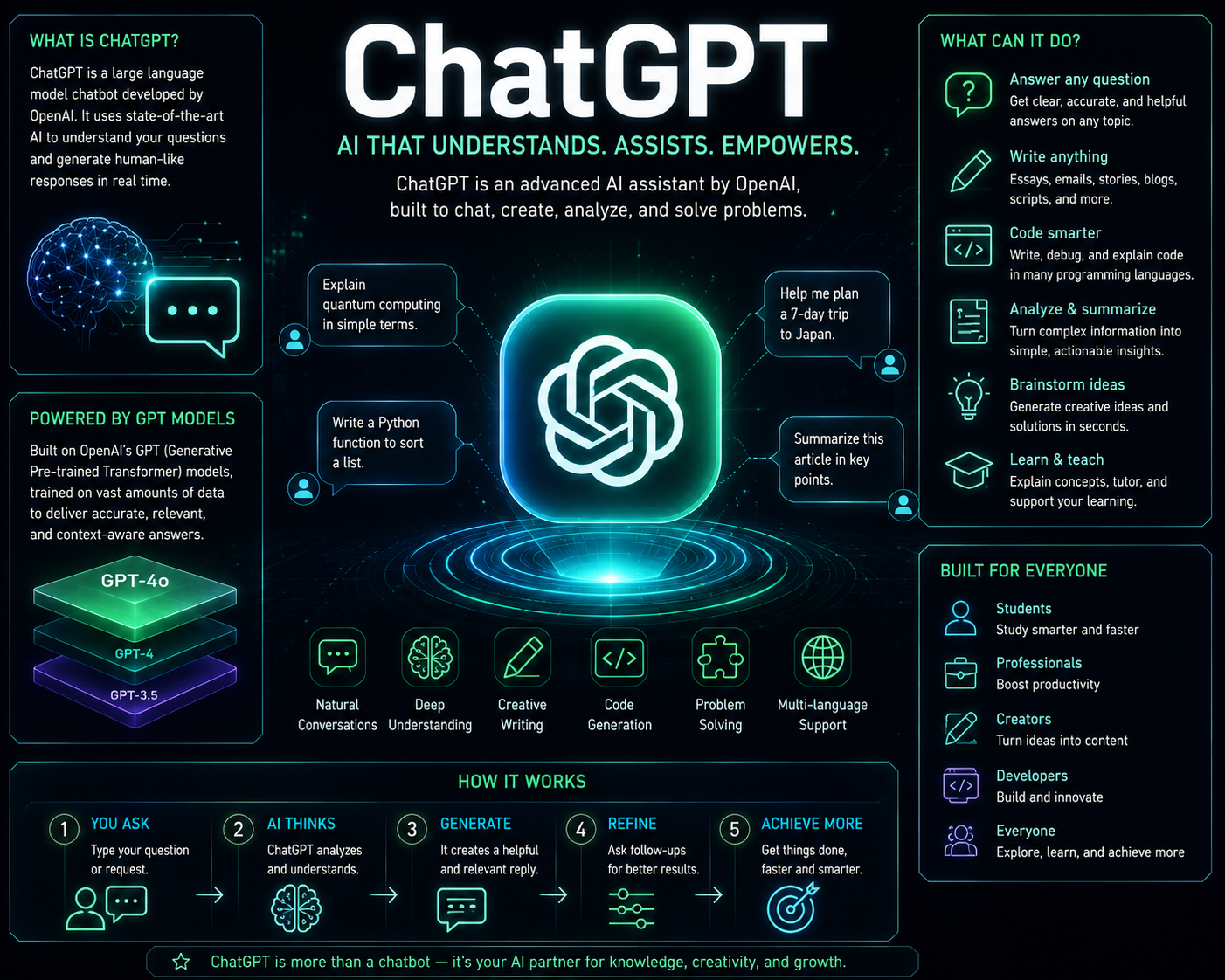
ChatGPT is an AI assistant that uses large language models to understand and create text. People use it to write, come up with ideas, learn, write code, help with research, shorten long texts and do many other tasks. It is not a normal search engine, and it does not automatically know that everything it says is true or up to date. It may use suitable tools or information sources if they are connected to it. People should check its answers, especially when using them for important facts or professional work.