
Tech money from Anthropic and SpaceX is transforming philanthropy, but will that cash benefit woke causes or real Americans?
On Sunday, AI company Anthropic promised to give 5% of its shares to a fund for charity. At first, this looks like a very generous gift.
But Anthropic’s leaders control the fund, which focuses on causes supported by Effective Altruism, a movement that tries to do the most good with money. These causes include groups that spend millions to make shrimp farms use stun guns to kill shrimp, because they believe this is a more humane way to do it.
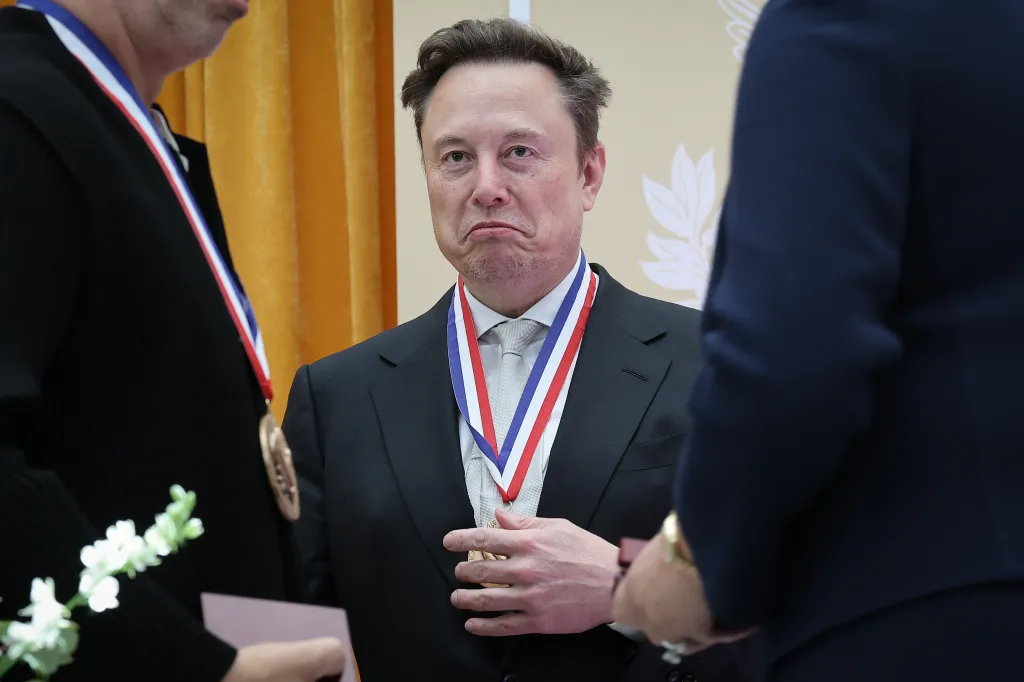
Hours later, Elon Musk offered a different plan: giving American children a share of SpaceX. “Next year, I will give one of my SpaceX shares to every kid in America,” he announced on X.
According to sources, the gift would be worth nearly $11 billion at today’s market value. The shares would be given out through Trump Accounts.
The two plans highlight a big question being debated in Silicon Valley: Should companies worth trillions of dollars use their huge profits to support causes chosen by their leaders, or should they help the next generation build wealth of its own?
The technology industry warns that AI could replace workers and change their futures. Giving people a financial stake in that future seems like a much better response.
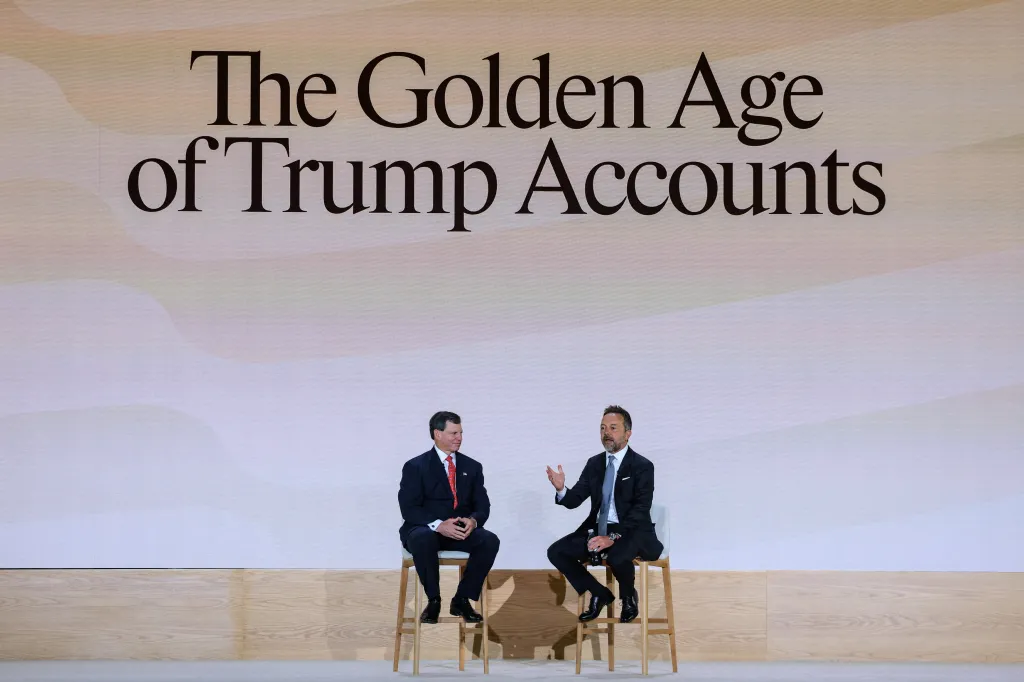
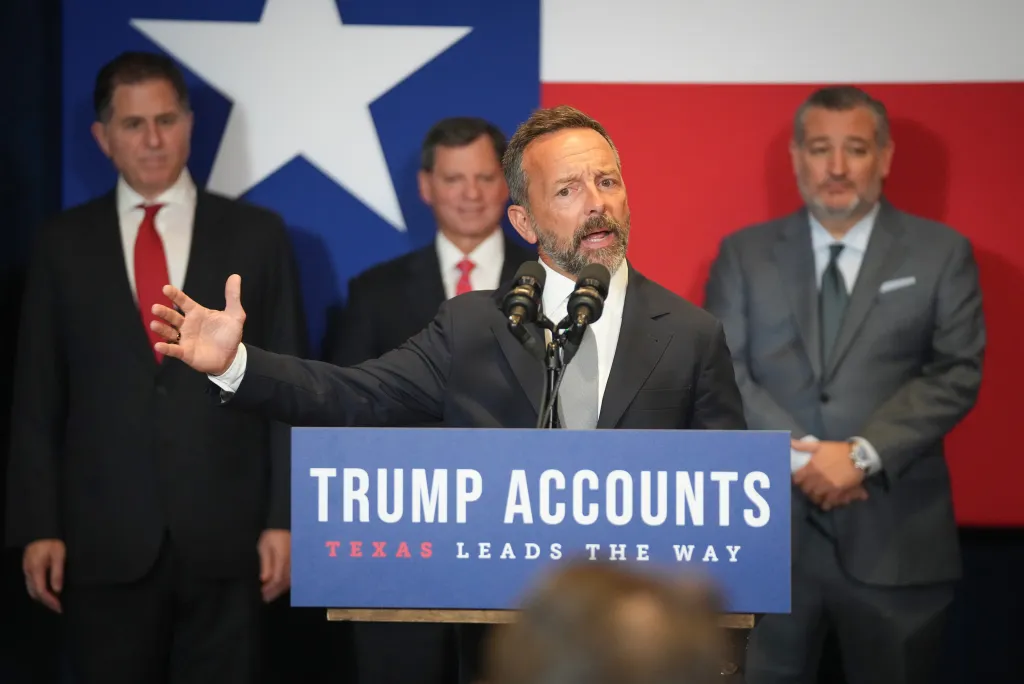
Brad Gerstner, founder, chairman and CEO of Altimeter Capital and the person who designed Trump Accounts, told me that Musk’s gift is just “the tip of the iceberg.” He believes these accounts could receive many more charitable gifts and help many more Americans.
Gerstner estimates that, by the end of 2027, private donations to Trump Accounts could reach $100 billion. He expects other Silicon Valley leaders to join Susan and Michael Dell, Ray Dalio and Gwynne Shotwell in contributing.
An even bigger change could be coming: more people may soon be able to get these accounts.
For now, the accounts are only available to US citizens under 18. All money put into them is invested in the stock market, where it has a chance to grow. When account holders turn 18, they can access the money and use it for different goals, such as paying for college, buying their first home, starting a business or leaving the money invested so it can keep growing.
Gerstner said he is working to expand Trump Accounts so that anyone under 40 could qualify. The updated law could be proposed within months. The accounts could also be used for retirement, education or starting a business. Gerstner said the proposed law would aim to make the funding permanent, too.
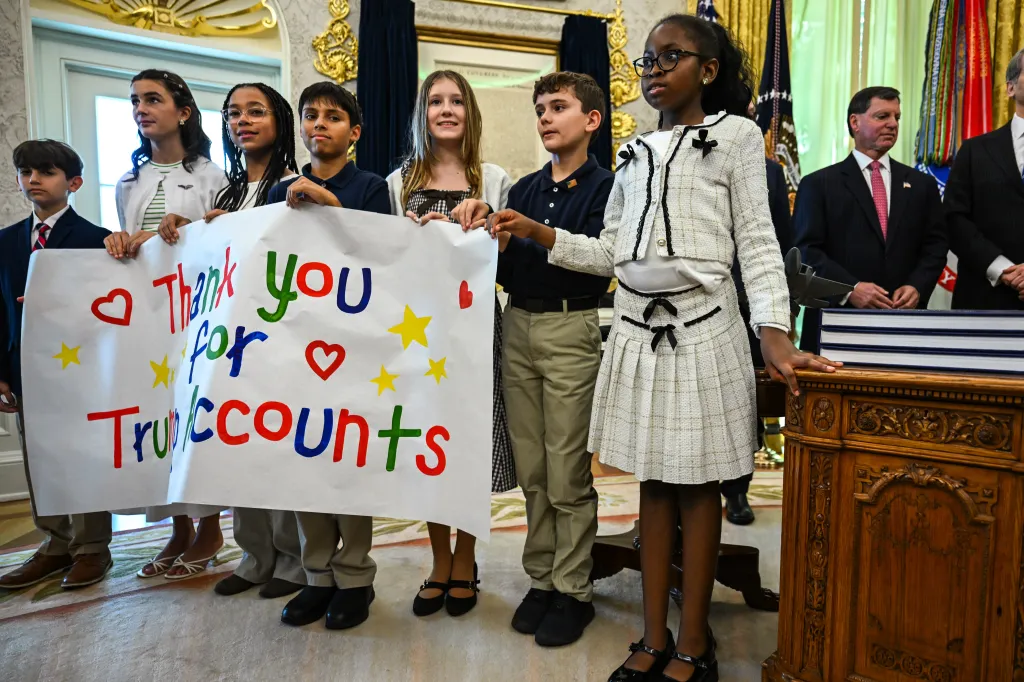
Many Americans are worried about AI, fear losing their jobs because of it and have lost faith in capitalism. These accounts could help adults invest in their future without making them depend on government welfare.
“Welfare checks do not compound, but ownership compounds,” Gerstner explains. “You don’t help people by creating more dependency.”
“It sucks to not even know how to get in the game… But with these accounts, everyone has a million dollars within their grasp,” he adds. “It makes sure every kid has a stake in the economy.”
Compare this approach to Anthropic’s plan. The AI company wants to give money to nonprofits and may also make direct payments to people. It is not yet clear how much money will go to each group or who will qualify. Anthropic will make those decisions.
In the author’s view, this keeps a broken, left-wing system of charities going. That system moves huge amounts of money without making people’s lives better. The author argues that many of these groups are political nonprofits that spend millions on their own leaders, advisers and consultants, sometimes as much as they spend trying to help others.
Interestingly, any company that wants to give shares to children or young adults would have to use Musk’s approach.
Trump Accounts are the only existing system for giving stock shares to young Americans. But many companies may not want to support an account with “Trump” in its name, especially just a few weeks before a bitterly contested midterm election.
There is also a real concern that this link between private companies and Trump Accounts could create unfair advantages. For example, might the government be less willing to oppose a merger involving a company that had given billions of dollars to the accounts and invested in Americans’ futures? Could the company receive other special treatment?
But whether or not Trump is involved, giving Americans a share in the future and helping them feel that they own part of the American dream are important first steps toward helping them benefit from it.