
Voice Of Goku Responds To AI Stealing Her Voice: ‘I can’t Forgive Them…It Makes Me Really Angry, It’s No Different Than Theft’
Generative AI is becoming a bigger problem for creative workers in many industries. In Japan, voice actors are finding their own ways to fight the use of their voices without permission. Last week, the union representing Japanese voice actors released its own guidelines on AI use. Several actors have also spoken about the personal and work-related problems they have faced because of this technology.
Voice actors in Japan have been speaking out against the use of their voices without permission for years. In 2024, a group of voice actors joined together to start their own organization to protest the misuse of AI voices. They pointed out that copyright laws do not offer enough protection. Kenjiro Tsuda, a voice actor known for roles in Attack on Titan, Chainsaw Man, and Yu-Gi-Oh!, even sued TikTok over the spread of social media videos that used his voice. However, the case was dismissed after the videos were taken down. Some voice actors support systems that would let people use AI copies of their voices privately and with permission. But most voice actors in Japan worry that the technology could take their work and reduce their chances of getting future jobs.
On Thursday, the Japan Actors Union (JAU) held a press conference and presented the first version of its new guidelines for generative AI. The guidelines cover audio recordings made with AI that copies actors' voices. This includes using voices without permission to create artificial speech, train AI with deep learning, use machine learning, and carry out similar activities.
As Automaton reported, the guidelines say that anyone who wants to copy an actor's voice must get the actor's permission at every stage of the process. If an AI company wants to use an actor's voice to train its AI, it must get permission from that performer. The guidelines also treat approved AI-generated voice work as a kind of performance. This means companies must pay actors wages, royalties, or both for the work.
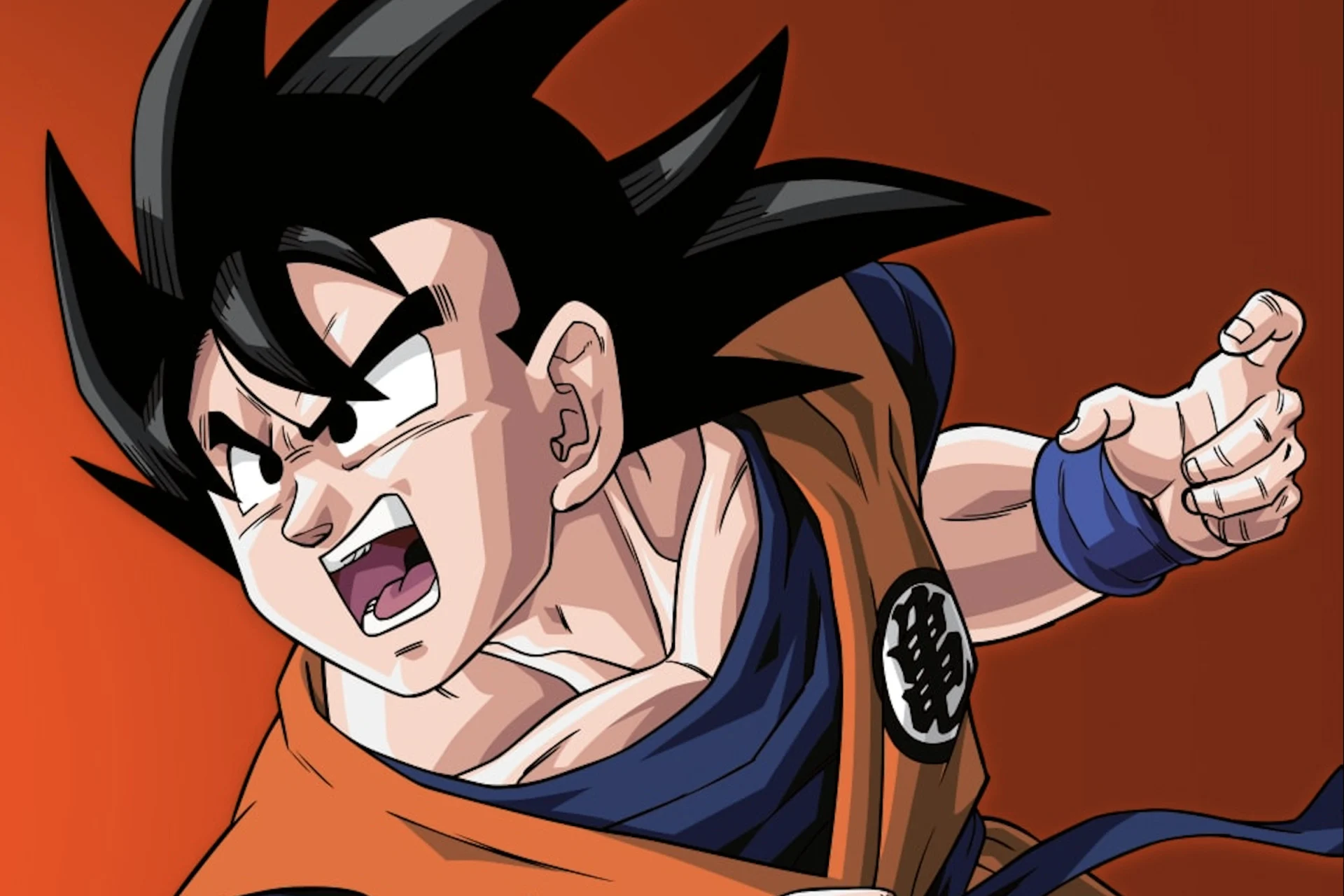
Several voice actors at the press conference spoke out against using the technology without permission. Masako Nozawa, best known for voicing Goku in the Dragon Ball series, told Japanese broadcaster NHK, “I can’t forgive them for using it without my permission. It makes me really angry, it’s no different than theft. My voice is mine, as are my performances, and if that’s going to be used, even a little bit, they should ask for permission.” She also said that an AI copy of her voice that she had heard “lacked heart.”
The union represents about 2,600 voice actors and actors. Its guidelines are among the first in Japan to address AI-generated voice recordings. They send a strong message against AI use in a country where the technology is generally more widely accepted than in the United States. Japan's unions are also relatively strong compared with unions in the United States, so these guidelines may help limit the use of AI to copy actors' voices without permission. Japan's government is currently facing questions about how to deal with generative AI, including concerns about cyberattacks and copyright violations. This makes the JAU's announcement an important development as the country works out how to respond to AI technology.