
AI-generated political ads are showing up on TV screens, experts say they are getting harder to spot
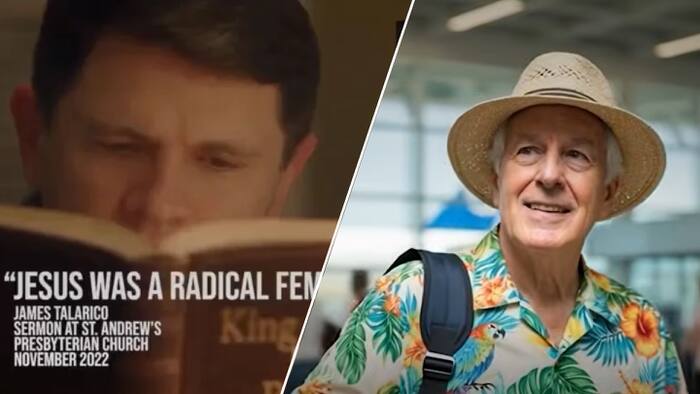
Texas law does not require political ads to say when they use artificial intelligence, but it bans AI and deepfake ads during the 30 days before an election.
Olivia Dague, Reporter
SAN ANTONIO – Artificial intelligence (AI) is appearing more often in political ads during this election season. Some of these ads show images or events that are not real.
A recent report by The New York Times said $147 million has been spent on broadcasting ads made with AI.
Political ads shown this year have included an AI-made image of Senate candidate James Talarico reading a Bible, with AI-generated audio. Other examples include a fake video of Sen. John Cornyn on vacation and a video showing former Senate candidate Jasmine Crockett dancing with Cornyn.
Al Tompkins, an author and journalist who teaches other journalists about AI, said AI is becoming more common in political ads.
“There are a couple of reasons that AI has been very popular in this cycle. One is it’s cheaper,” Tompkins said. “Artificial intelligence allows you to have, for example, people saying things without having to go out and actually get people to say things. You’re able to show your opponent in the worst possible circumstances without actually having to have video of them.”
Tompkins said one problem is that people can use AI as a reason to reject real events or statements they do not agree with.
“‘I don’t like that, it must be AI’. When it wasn’t AI, they actually did say that, they actually did do that. That’s one of the costs of artificial intelligence is that we start only believing those things that we already believed,” he said.
Some ads tell viewers they were made using AI, but Texas law does not require political ads to include that information.
One way to recognize AI-made content is to look for text that does not make sense. For example, one ad showed unclear lettering on a prison uniform and a corrections officer’s badge. But Tompkins said AI technology is improving, making these ads harder to recognize.
He shared some other ways viewers can check what they see.
- Does the video or image make you feel strong emotions?
- Can you find the same information somewhere else? Does the ad name a source?
- Does what you see make sense? Would a real person have said or done this?
- Does the ad change what you think or how you would vote?
Tompkins said attack ads aim at voters who have not decided whom to support. These ads try to make people question what is real.
“We’re moving, I’m afraid, from skepticism to cynicism. Skepticism means I’m open to truth, but cynicism means no amount of truth will be enough. And I think that AI gives us cover for that,” he said.
Texas law says AI-made and deepfake political ads cannot be shown during the 30 days before an election. Tompkins said someone could challenge this law in court in the future.
Copyright 2026 by KSAT - All rights reserved.