
Exclusive | Anthropic president takes aim at OpenAI over Pentagon deal, questions rival's motives
Anthropic President Daniela Amodei questioned whether rival OpenAI made a deal with the Pentagon for strong ethical reasons or because it saw a chance to benefit after her company refused to change its rules for military AI. She called the question of OpenAI’s motives important in an excerpt from an interview obtained exclusively by The Post.
Daniela made these comments in a joint interview with her brother, Anthropic CEO Dario Amodei. The interview was conducted by biographer Walter Isaacson for his podcast, “The Builders.”
The interview is scheduled to air Tuesday.
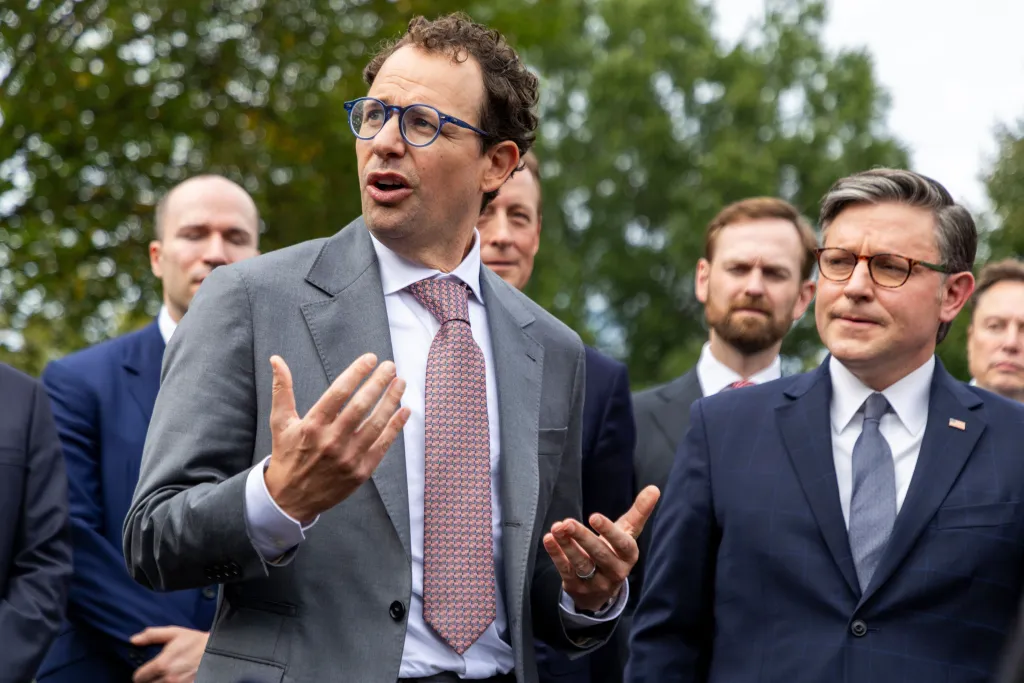
“Did another technology company take a truly principled stand based on its own ethics, or was this an opportunistic moment?” Daniela asked. Isaacson had asked the siblings about OpenAI stepping in after Anthropic’s bitter dispute with the Trump administration.
Her comments were another criticism of OpenAI as competition grows between two of Silicon Valley’s biggest artificial intelligence companies.
“Our view is, look, we can’t control any other companies, and the only thing that we can do is take a principled stand on the areas that felt ethically correct to us,” Daniela said.
She said she understood that other companies might reasonably disagree with Anthropic’s rules. They might believe the rules should be stricter or allow more uses of AI.
These comments come as Anthropic prepares for a major initial public offering, or IPO. The company filed paperwork on Monday to list its shares on the Nasdaq stock market under the symbol “ANT,” Wired reported.
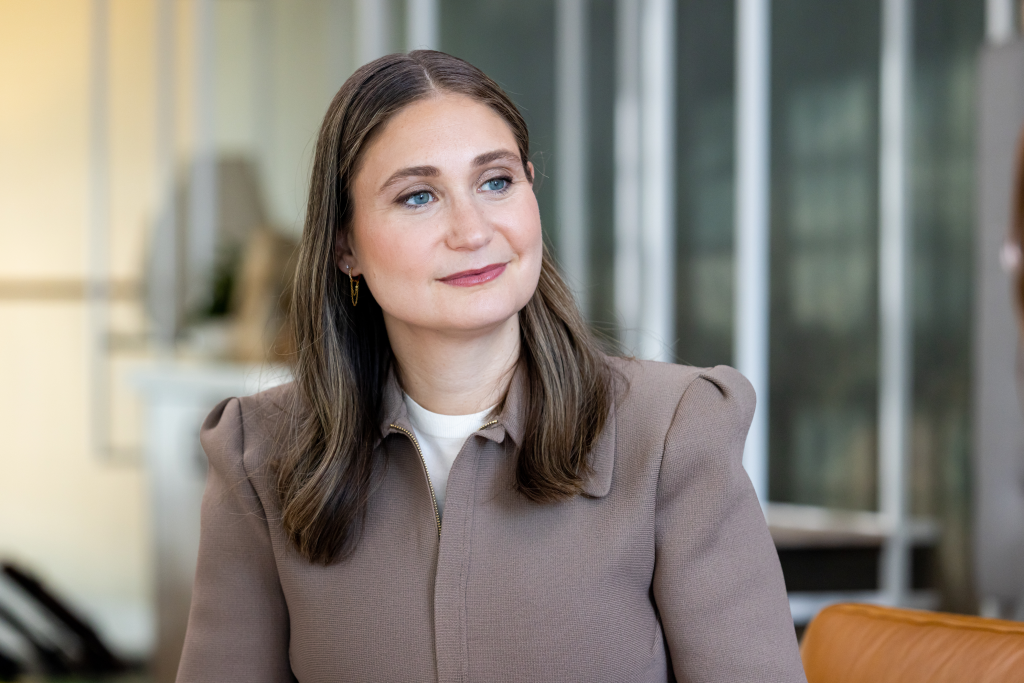
The maker of the Claude chatbot reported more than $16 billion in revenue and a net loss of $80.7 million in the first half of 2026. That compared with a loss of $13 billion in the same period last year, the outlet reported.
The company’s IPO filing also listed its serious dispute with the Trump administration as a business risk. It warned that ongoing court cases could hurt sales to government agencies and companies that work for the federal government.
The dispute began in February, when Anthropic refused to drop limits on using its AI models for large-scale surveillance of people inside the United States and weapons that can kill without human control.
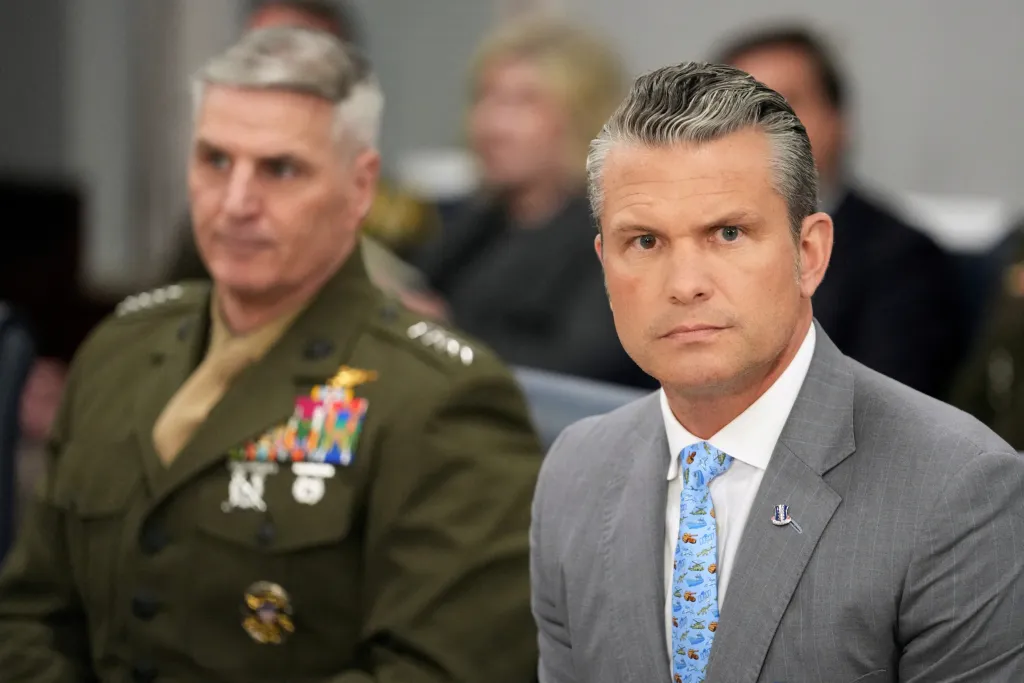
Pentagon officials said defense contractors must allow their technology to be used for “all lawful uses.” They argued that private companies should not be able to decide how the military carries out its work.
President Trump later ordered federal agencies to stop using Anthropic’s products. The Pentagon also labeled the company a supply-chain risk.
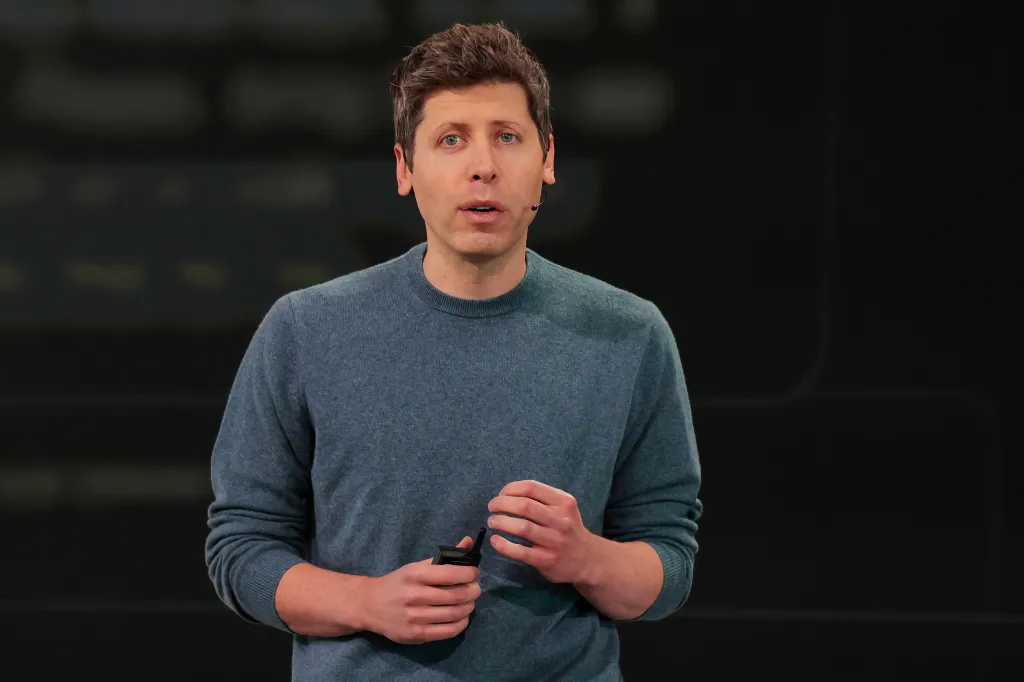
OpenAI later reached its own deal with the Pentagon. It allowed broad use of its technology for lawful purposes while keeping rules about surveillance and human control of weapons systems.
The company has said its deal with the Pentagon includes clear limits that ban using its technology for mass surveillance inside the United States, controlling weapons that act on their own, and making important decisions without human involvement.
The tension between the two AI companies goes back to 2021. That year, Dario and Daniela left OpenAI and started Anthropic after disagreements about safety, company leadership and OpenAI’s growing focus on making money.
The fight became especially bitter during the Pentagon dispute in March. Dario reportedly called OpenAI’s description of its military deal “straight up lies” and “safety theater” in a leaked internal message. He later apologized for how he said it but continued to support Anthropic’s position.
Anthropic challenged the administration’s actions in federal court. The company won a favorable ruling in California in August. But the following month, a separate federal appeals court in Washington upheld the Pentagon’s decision to exclude Anthropic.
The company asked the court to reconsider that second decision earlier this month.
Meanwhile, Dario defended Anthropic’s refusal to allow weapons that can operate and kill without human control. He warned Isaacson that AI could pose a basic threat to democracy even if the technology became reliable enough to work without human supervision.
The Anthropic CEO described a future in which one person could control an army of one million AI-powered robots or drones, without the checks that come from having human soldiers.
He told Isaacson that soldiers can refuse orders that break the Constitution or seem “morally abhorrent.” AI models, he said, do not offer the same protection.
Dario warned that letting “one person” control “a million robots or a million drones” with the push of a button could fundamentally weaken democracy.
The Post has asked OpenAI and the Pentagon for comment.