
Some Observations About Anthropic’s IPO Filing
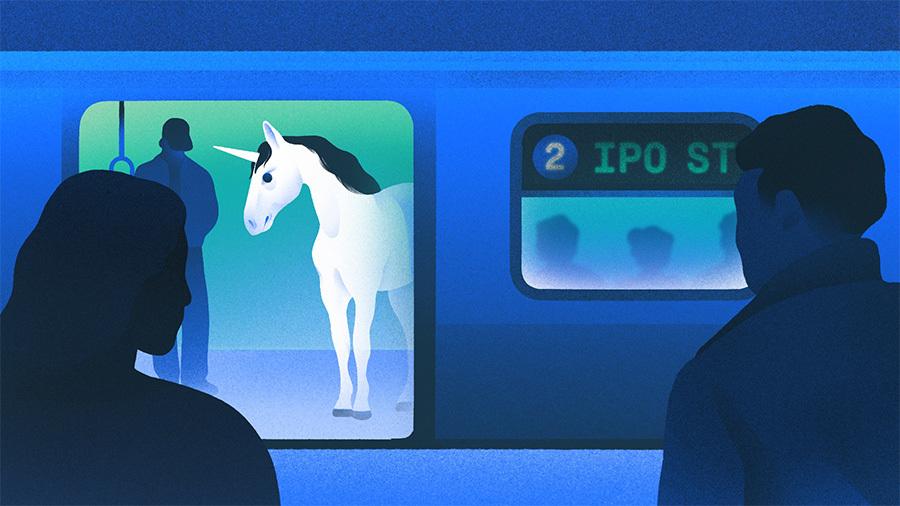
In an S-1 filing released today, Anthropic could be preparing for the largest IPO ever. The company, Anthropic, shared many new details about its earnings, growth, major stakeholders, and the risks it may face in the future.
The document is 335 pages long, so it is not exactly easy reading. But after an initial review, here are some of the most interesting details it reveals:
Revenue is growing unusually fast
In the first half of 2026, Anthropic reported revenue of $16.3 billion. That is 14 times as much as it earned during the same period in 2025.
Growth may not be slowing down. The S-1 filing does not predict revenue for the second half of this year. However, Reuters has reported that Anthropic could reach an annual revenue run rate of $110 billion by the end of the year. Reuters based this report on information from analysts who had met with company executives.
But the company is still losing money
Anthropic reported an operating loss of $693 million in the first half of 2026. This was about two-thirds lower than its operating loss in the same period last year. Its net loss for the first half of this year was $80 billion. About 90% of that loss came from what the company called a “change in fair value of convertible notes, derivative liabilities, and SAFEs.”
The founders own similar amounts of stock
According to the S-1 filing, each of Anthropic's seven founders owns between 230,000 and 246,000 shares of Class A stock. This equal split is unusual. Documents for other startups often show that the founding CEO owns a much larger share of the company than the other founders do.
Anthropic's co-founders are Dario Amodei, Daniela Amodei, Tom Brown, Jack Clark, Jared Kaplan, Sam McCandlish, and Christopher Olah.
Anthropic's IPO filing lists 93 pages of risks
So, is investing in Anthropic risky?
Anthropic seems to think it could be. The company's IPO prospectus has an unusually long section about risks, covering 93 pages. The section begins on page 27 and ends on page 120.
Some of these risks are fairly ordinary. For example, Anthropic is concerned that slower revenue growth could make it harder to pay for the development of advanced AI and to hire and keep talented workers. The company has also taken on a lot of debt. It is worried about whether it can keep making its debt payments while also covering its operating costs.
Other risks are less common, including the possibility of AI agents acting in dangerous ways. In one section, Anthropic says that “future models are expected to demonstrate capabilities that could provide meaningful assistance to malicious actors seeking to develop chemical, biological, or other dangerous weapons.”
Illustration: Dom Guzman