
The All-In Podcast Flags Red Flags in Anthropic’s IPO. What Everyday Investors Should Know
The hosts of the All-In Podcast found numbers in Anthropic’s Investor Day presentation that raised serious questions. They also pointed out that the company’s expected valuation would require investors who buy shares on the first day to accept a high price. Here is what retirement investors and Microsoft shareholders need to know.
Anthropic’s planned initial public offering (IPO), which is when a company first sells shares to the public, now has some outspoken critics. On the October 17, 2026, episode of the All-In Podcast, CoreWeave Crash, AI Trade Cracks, Anthropic IPO Red Flags, Bill Gates Doomer, the hosts said Anthropic plans to go public around Thanksgiving. They also said the financial figures shared at its Investor Day received mixed reactions. Their discussion offers a useful list of things retirement savers should check before investing in a popular AI stock. It also matters to shareholders of Microsoft (NASDAQ:MSFT | MSFT Price Prediction).
Investor Day Numbers Drew Mixed Reviews
The All-In Podcast hosts said the market-implied chance of Anthropic going public this year had dropped to 74%, from 95% in early September. This number reflects what traders expect about the timing of the IPO.
The financial figures discussed on the show included third-quarter revenue of $16.8 billion, net revenue retention of 900%, an adjusted gross margin of 85%, and an adjusted operating margin of 11%. One host added, “No word on how the adjustments were calculated.” Another said people who attended had reportedly signed nondisclosure agreements (NDAs), which limit what they can share. The host said, “I don’t know if you can completely trust what’s floating around X here. I think we’ll find out in due course.”
Chamath Palihapitiya called the company’s growth remarkable. “I found the revenue breathtaking. $16.8 billion in a quarter for a three-year-old company is just ridiculous.” He also argued that Anthropic should raise $200 billion to $250 billion at a lower company valuation so it could secure enough computing power.
What the All-In Podcast’s 30 Times Sales Demands From Buyers
A host on the All-In Podcast described the planned offering as “a very big IPO, 30 times price-to-sales ratio.” The price-to-sales ratio compares a company’s market value with its yearly revenue. At a ratio of 30 times sales, investors pay $30 for every $1 of annual revenue. The higher this ratio, the more revenue must grow over time and the more profit a company must make from each dollar of sales to justify its price. If growth slows, stocks with high prices compared with their sales often suffer the biggest losses.
For comparison, Microsoft trades at 11.74 times its sales over the past 12 months and has an operating margin of about 46.8%.
How IPO Hype Usually Plays Out
Popular IPOs often make only a small number of shares available at first. Strong demand on the first day can push the share price well above the original offering price, meaning people who buy shares on the open market may pay much more. Company insiders usually have to wait before selling their shares. When that waiting period ends, often months later, more shares may enter the market. Index funds may also need to buy shares once a stock qualifies to join an index. This can make retirement accounts buy the stock automatically.
Once Anthropic files its S-1 registration statement on the U.S. Securities and Exchange Commission’s EDGAR system, investors should focus on audited revenue, how the company defines its adjusted profit margins, its commitments to computing resources, its dependence on major customers, and how it plans to use the money raised. One podcast host noted that if the IPO happens next month, the public filing will reveal the actual figures.
Why Microsoft Shareholders Have Skin in This Listing
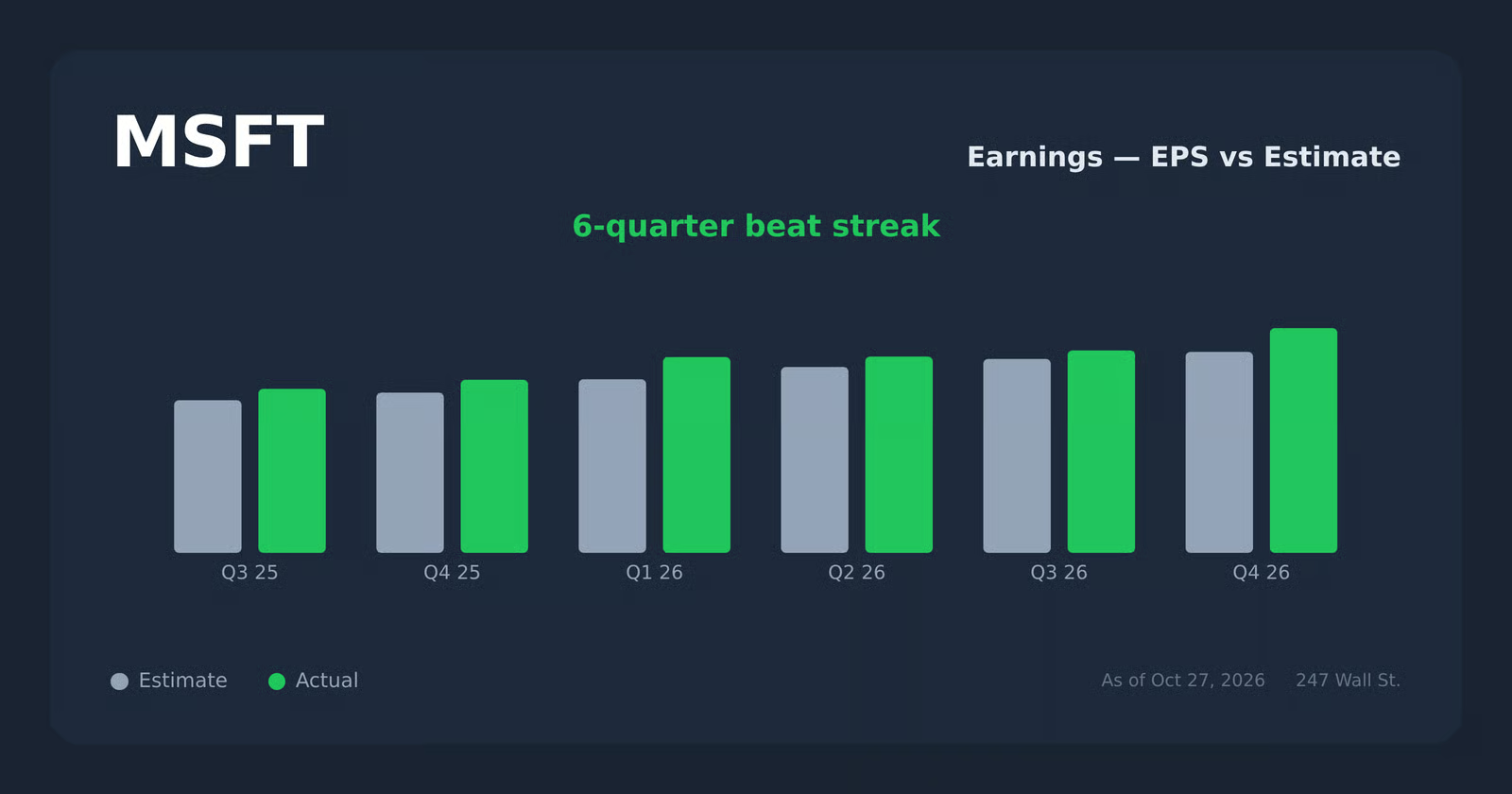
Microsoft already reports financial results connected to Anthropic. In fiscal fourth-quarter 2026, it recorded a $3.20 billion gain on its Anthropic investment. This helped its adjusted earnings per share, excluding certain items, reach $4.74, compared with analysts’ average estimate of $4.24, according to its earnings release filed with the SEC. Microsoft also owns about 27% of rival OpenAI, a stake valued at roughly $135 billion. If Anthropic becomes a publicly traded company, the market price of its shares would provide a daily reference for valuing this kind of investment exposure.
Investor sentiment can also spread across the AI industry. As one All-In host said, “Anytime there’s negative news on the big labs, everybody in the supply chain gets hit with that.” The supply chain includes companies that provide power, cooling systems, and networking equipment for data centers. These businesses are earning money from AI, even if they receive less attention than the AI companies themselves. We highlighted seven such companies in a free report on AI infrastructure suppliers. On October 14, a panelist on CNBC’s Fast Money warned that “if Anthropic goes public, it goes much less than where it’s trading right now.” On Bloomberg Businessweek, Mandeep Singh said large cloud-computing companies should “shine,” while “the lab side seems to be incrementally slowing down because of open source pressure.”
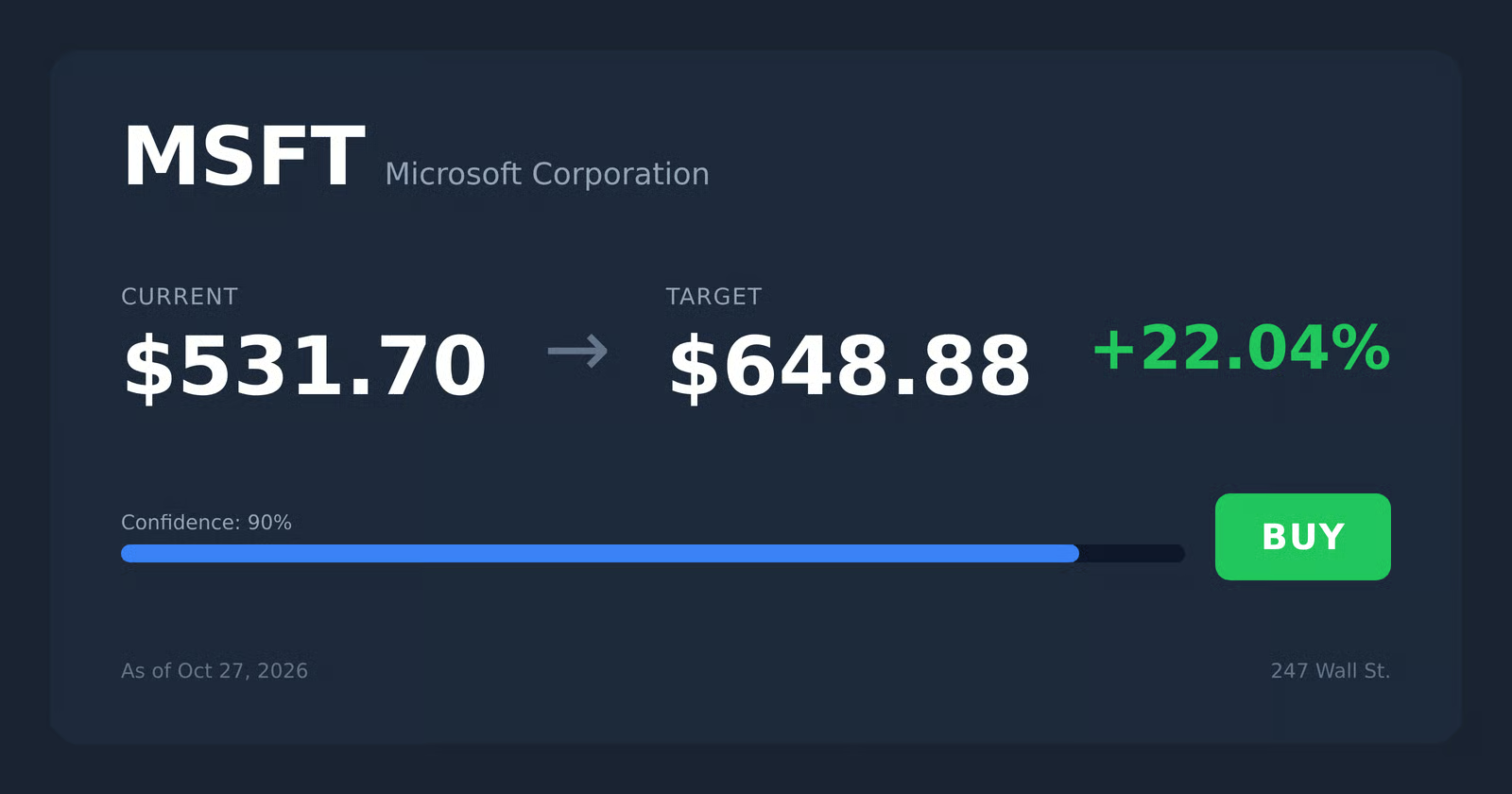
Microsoft’s large size gives it some protection against these risks. In fiscal third-quarter 2026, its AI business reached an annual revenue rate of more than $37 billion. Azure, its cloud-computing business, generated more than $100 billion in revenue during fiscal 2026, and Microsoft’s total capital spending for the full year reached $115.95 billion. Its shares are trading near $530, up 10.29% since the start of the year and 2.66% over the past 12 months.
What to Watch Before the Bell Rings on Anthropic
Microsoft is expected to release its next earnings report this week. If Anthropic’s planned Thanksgiving IPO stays on schedule, its S-1 filing should follow. Investors should check whether the audited financial statements confirm the figures shared at Investor Day. They should also watch whether Microsoft’s comments about capital spending and demand for AI products help calm the wider AI stock market. For retirement investors, official financial filings deserve more attention than excitement or headlines on the first day of trading.
Contact [email protected] for any questions or corrections.