
The insurance bombshell hidden in Anthropic’s IPO filing
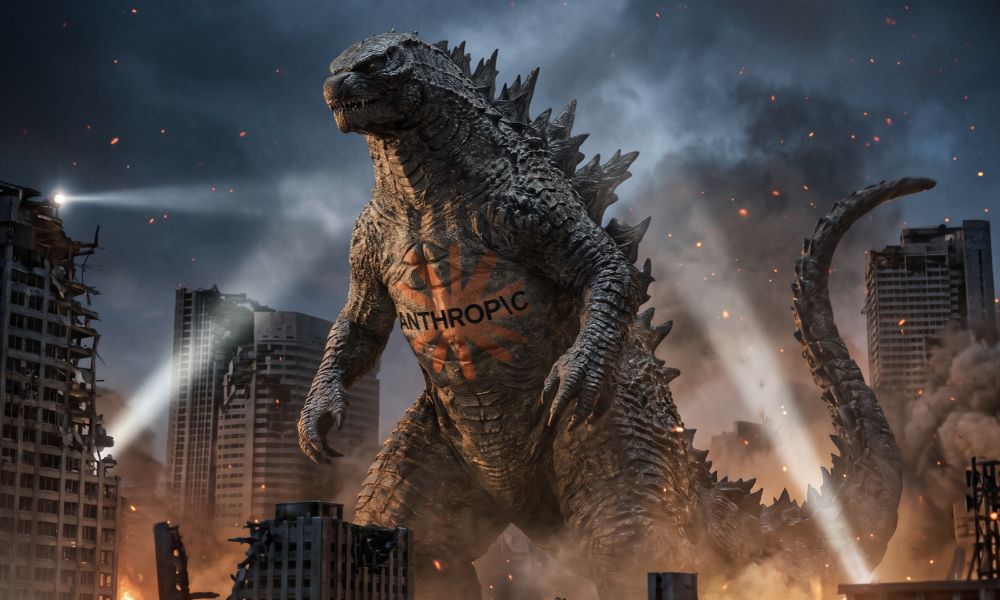
The company that makes Claude is preparing to list its shares on Nasdaq. It warns that a worst-case AI incident could cause so much harm that the insurance market might not have enough money or the right skills to cover it.
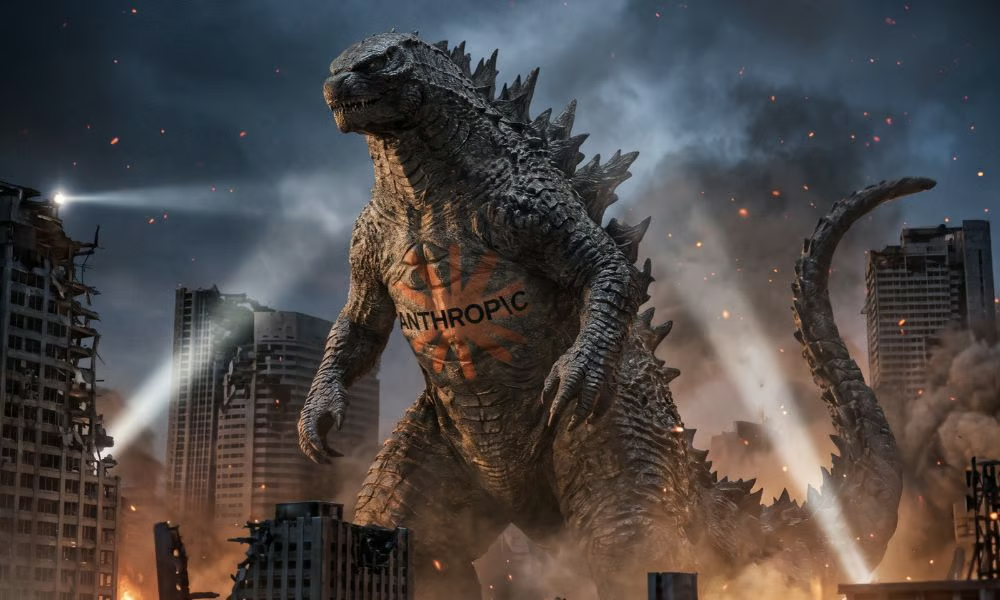
Companies rarely tell investors in documents prepared for a stock market listing that the insurance industry might not be able to protect them. Anthropic has done exactly that.
The San Francisco-based AI developer filed its registration statement on Form S-1 with the US Securities and Exchange Commission on Monday. It plans to list on the Nasdaq Global Select Market under the stock symbol ANT. UK investors can also take part because the offering includes a public share offer in the UK, although Anthropic does not plan to list its shares on a UK stock exchange. Anthropic confirmed that it had filed the document, but it has not yet announced how many shares it will offer or the price range.
A huge gap in insurance protection
The prospectus devotes 94 pages to possible risks. One section is especially important to the insurance industry. Anthropic says a very serious AI-related incident could cause so much harm that a single insurer, and possibly the entire insurance industry, might not have enough money or the knowledge needed to provide cover. The company also says insurance designed specifically for AI risks is still new and developing. It warns that it might not be able to buy insurance for some AI-related liabilities at reasonable prices, or might not be able to buy it at all.
Where insurance has already fallen short
The filing shows that some of these problems have already appeared. Some contracts with outside experts who test Anthropic's AI models require the company to defend those experts and pay certain claims made against them by other parties. These promises have no upper limit on the amount Anthropic may have to pay. Some customer contracts also include similar unlimited promises to cover intellectual property claims involving the models' outputs.
The company also gives a real example of insurance failing to cover all the costs. In September 2025, Anthropic agreed to pay $1.5 billion to settle the Bartz copyright class-action lawsuit. A court approved the settlement in July. Anthropic says its insurance did not cover the entire claim.
Four types of risk affect many kinds of insurance
In a letter at the start of the prospectus, Anthropic's founders group AI risks into four types: misuse, loss of control, authoritarian abuse and economic disruption. Misuse includes using AI to carry out cyberattacks or help design biological weapons. Loss of control means AI systems doing things that nobody intended. See our upcoming interview with the startup that hopes to provide insurance against this kind of loss of control.
Each type of risk can affect different kinds of insurance. Misuse may involve cyber insurance and casualty insurance, which covers certain types of harm or legal responsibility. When an AI system acts on its own, it may be difficult to decide who is legally responsible if no person made the decision. Wider economic disruption could affect many other types of insurance, from trade credit insurance, which protects against unpaid business debts, to employment practices liability insurance, which covers certain claims related to the workplace.
Cyber insurance and D&O cover face pressure
The prospectus says criminals have already used AI to find security weaknesses, create harmful software and avoid being detected. In its discussion of cybersecurity risks, Anthropic says its current insurance may not provide enough protection. Insurers might reject claims, delay payments or refuse to pay them altogether. If one AI model can be used to attack thousands of companies at the same time, the assumptions insurers use to set cyber insurance prices may no longer reflect the real risk.
The filing also says that the UK, the EU and other places are introducing stricter rules for reporting cyber incidents and AI-related incidents. The EU AI Act already requires developers of the most powerful general-purpose AI models to report serious incidents quickly. These rules create extra work to meet legal requirements and may also create new legal responsibilities.
Anthropic also warns about directors and officers (D&O) insurance, which protects company leaders against certain claims. The company expects the duties that come with being publicly listed to make this insurance more expensive. It says it may have to accept lower coverage limits or pay much more to keep the same level of protection. Anthropic's company structure adds another issue. As a public benefit corporation, its board must consider both returns for shareholders and the company's stated mission. An independent Long-Term Benefit Trust, which has no financial stake in the company, can choose most of the directors. The company's charter also says that failing to balance these public benefit duties, by itself, will not count as acting in bad faith or being disloyal when deciding whether directors qualify for indemnification.
London and the US are taking different approaches
The filing comes as insurance markets in the US and London take different approaches to AI risks. In the US, insurers can add standard exclusions for generative AI to general liability policies. In London, specialist insurers such as CFC have added wording that clearly says the use of AI alone does not remove insurance protection. Brokers arranging technology insurance across both markets may therefore find that the same loss is covered by one insurance programme but excluded by another.
The big numbers behind the warning
Anthropic reported revenue of about $16.3 billion for the six months ending in June 2026. That compares with $1.2 billion in the same period a year earlier and $4.6 billion for the whole of 2025. The company's net loss of $80.7 billion for the six-month period looks alarming. However, $72.4 billion of that loss came from changes in the estimated fair value of convertible notes and similar financial instruments as the company's valuation increased. Its operating loss was $693 million. Spending on computing power and infrastructure reached nearly $9 billion during the six months, more than the company spent on these items during all of 2025.
Insurance companies are also among Anthropic's customers. The prospectus says clients use Claude for work related to insurance underwriting, the process of assessing risk and deciding whether to provide insurance. In January, Allianz also signed a global partnership with Anthropic.
The main point
One of the world's largest AI developers has formally warned that the gap in insurance protection for AI risks may be a lasting problem, rather than a temporary shortage of insurance capacity. It is not yet clear how the market will respond. Insurers might provide more coverage, add stricter exclusions or eventually receive government support through a safety scheme similar to those created for terrorism and nuclear risks.
What to check when renewing insurance
- AI exclusions: Look for exclusions related to AI in general liability (GL), professional indemnity (PI) and directors and officers (D&O) policies. Check how each policy defines AI.
- Unlimited promises to cover claims: Check whether clients have agreed to cover unlimited claims for AI suppliers or customers, or whether those parties have made such promises to them.
- Combined cyber losses: Check whether the cyber policy covers attacks that use AI and outages caused by a single AI model provider.
- D&O coverage: Check whether the policy wording covers boards that must balance a company mission with duties to provide public benefits.
- Reporting incidents: Review clients' duties under UK and EU AI and cybersecurity rules. Also check whether the policy covers the cost of defending against regulatory action.