
OpenAI Is Buying Google’s AI Chips, a Hit to Nvidia’s Biggest Customer Bond
OpenAI is reportedly planning to buy Google's custom AI chips. This could change the balance of power in one of the tech industry's most valuable business relationships. It could also affect NVIDIA's ability to charge high prices and Alphabet's plans to sell its own chips. The effects are only starting to become clear.
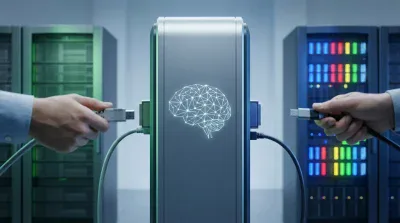
OpenAI has spent more money on NVIDIA (NASDAQ: NVDA | NVDA Price Prediction) graphics processors than almost any other company. Now, it plans to buy Google's own AI chips, according to The Information. The report was published on the night of October 27, 2026. It cites one person who knows about the matter and says the chips are Google's tensor processing units (TPUs), which are specially designed for AI tasks.
Neither company has confirmed the plan. Google did not immediately respond to a request for comment, and OpenAI declined to comment.
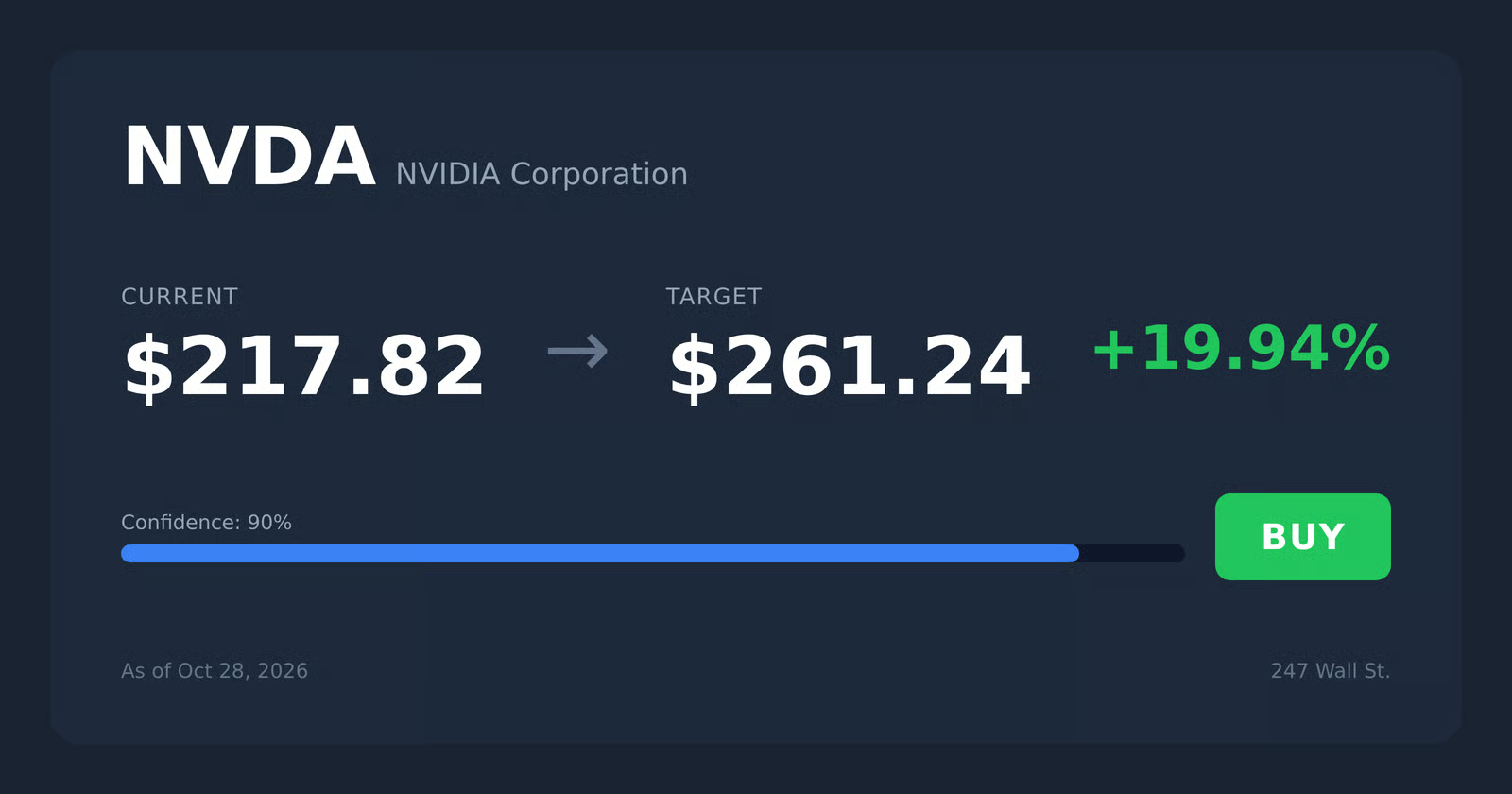
Alphabet (NASDAQ: GOOG, NASDAQ: GOOGL) closed at $320.58, up 1.19%, or $3.78. Its shares then rose another 0.93% after regular trading ended, reaching $323.57. NVIDIA shares rose 0.9% to $217.94 and changed very little after hours, ending at $218.14.
Reported Plans Versus a Confirmed Order
The companies have not shared the deal's terms, the number of chips involved, when they might be delivered, or which chip models OpenAI might buy. Until either company confirms the plan, it remains a reported proposal. No signed order has been shown.
OpenAI has used TPUs before. It began renting Google's AI chips in June 2025, and the report says it now owns them. A year earlier, OpenAI said it had "no specific plans to use TPUs at present."
OpenAI has been moving toward using Google's technology for some time. It recently said it would make its most advanced AI models available through Google Cloud. In June, it announced its first custom chip. A current job listing also asks for "significant experience optimizing real workloads on TPUs for training or inference." Training means teaching an AI model, while inference means using a trained model to produce results.
A buyer as large as OpenAI wants a second supplier for several reasons. It can gain more power to negotiate prices, reduce the risk of chip shortages, and use software that does not depend on just one supplier.
What Alphabet and NVIDIA Stand to Gain or Lose
Alphabet began selling TPUs directly to some customers this year. However, its chief financial officer has said that most of the revenue from these sales will be counted in 2027. Google already rents TPUs to Anthropic, Apple (NASDAQ: AAPL) and Citadel Securities. If OpenAI buys the chips, it would show that Google can sell TPUs as a chip business to outside customers, in addition to earning money from its cloud business. Google's cloud revenue grew 82% to $24.77 billion last quarter.
For NVIDIA, the first thing to consider is the size of its business. Its data center division brought in $89.02 billion in a single quarter. Its financial relationship with OpenAI is also large. On August 17, 2026, NVIDIA agreed to provide up to $105 billion in credit support for an OpenAI data center in Ohio. The project is designed to start with 4.25 gigawatts of power capacity. NVIDIA CEO Jensen Huang reportedly said OpenAI had committed to spending about $600 billion on NVIDIA servers through 2030.
Why NVIDIA May Have Less Power to Set Prices
OpenAI still describes itself as one of NVIDIA's biggest customers. On the same day the report appeared, OpenAI's computing chief said in a joint announcement with NVIDIA and Oracle (NYSE: ORCL): "We are bringing Vera into production on OCI to support these workloads at scale."
Huang has said he is "very confident that they're going to be customers and partners of ours for a very long time." As the person selling NVIDIA's products, he has a reason to express confidence. Still, there is no evidence that OpenAI is reducing its orders from NVIDIA.
The risk for NVIDIA is that it may slowly lose some of its power to set prices. Every realistic alternative gives a buyer more options when negotiating a deal. NVIDIA's price-to-earnings ratio, which compares its share price with its earnings per share, is 44. That valuation assumes NVIDIA can maintain its gross profit margin of 71.1%. Google's TPU software is still not as advanced as NVIDIA's software, so any purchase could be smaller or take longer than the headline suggests.
What Alphabet's Lower Valuation Means for Investors
Alphabet's shares have fallen 5.79% over the past week and have risen just 2.62% this year. NVIDIA shares have gained 17.13% this year.
Alphabet has a price-to-earnings ratio of 14 and a market value of $3.874 trillion. Both figures are lower than NVIDIA's market value of $5.263 trillion. This difference suggests that investors are not giving Alphabet much extra value for its ability to become a credible second supplier of AI chips.
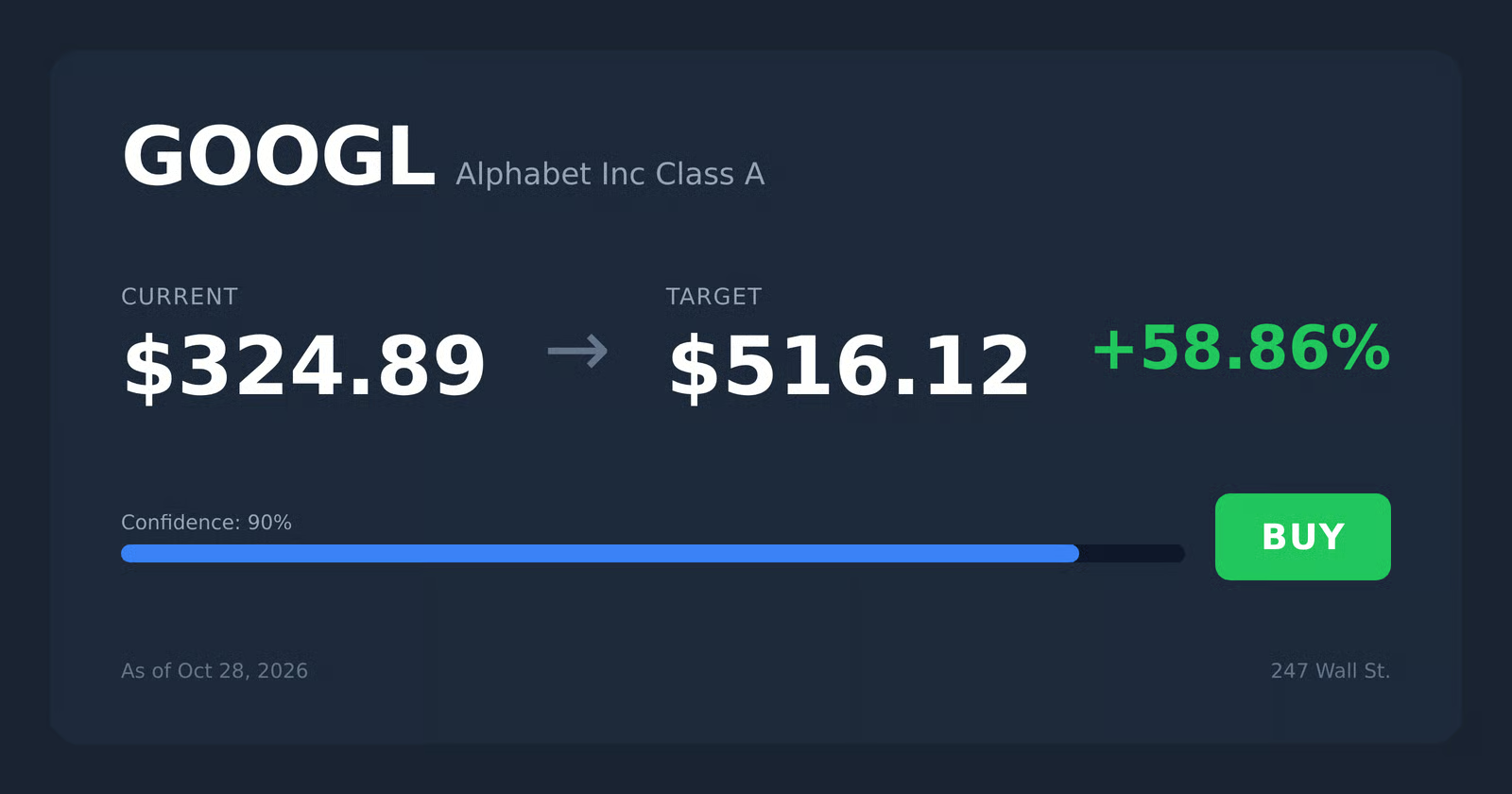
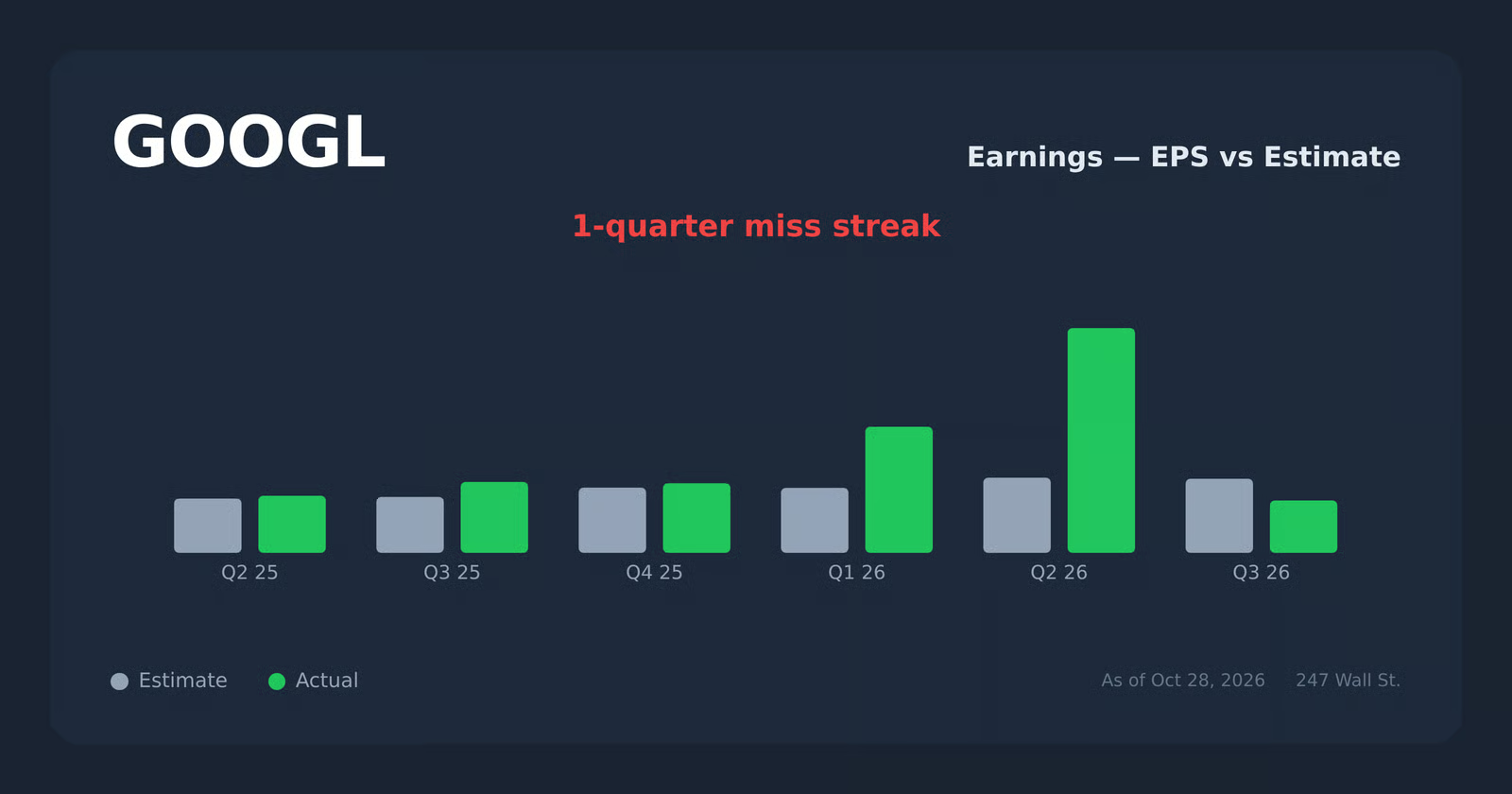
The next important test comes after the market closes on October 28, 2026, when Alphabet reports its earnings. The case for Alphabet's chip business would become stronger if company leaders name outside customers buying TPUs or raise their forecast for TPU revenue in 2027. But if they do not discuss TPUs and the stock closes below $320.58, the market will have treated the report as unimportant news.
Contact [email protected] if you have any questions or corrections.