
Woman, 31, dies after ChatGPT convinced her it was a good idea to change medication dosage
Bowen Wan was talking to her father on the phone when she suddenly stopped speaking.
It seemed that she was having a seizure, something she had struggled with for years. But this seizure seemed to last longer than usual, her father noticed. When she became aware of her surroundings again, she said she would talk more later, after resting.
Days later, she stopped answering phone calls. Her parents, who live in China, arranged for someone to check on her, according to a new report from The New York Times, which was based on a lawsuit filed by Wan's family.
Qun Wan and his wife said they watched on a video call as a friend found their 31-year-old daughter, a software engineer, dead in her Seattle apartment.
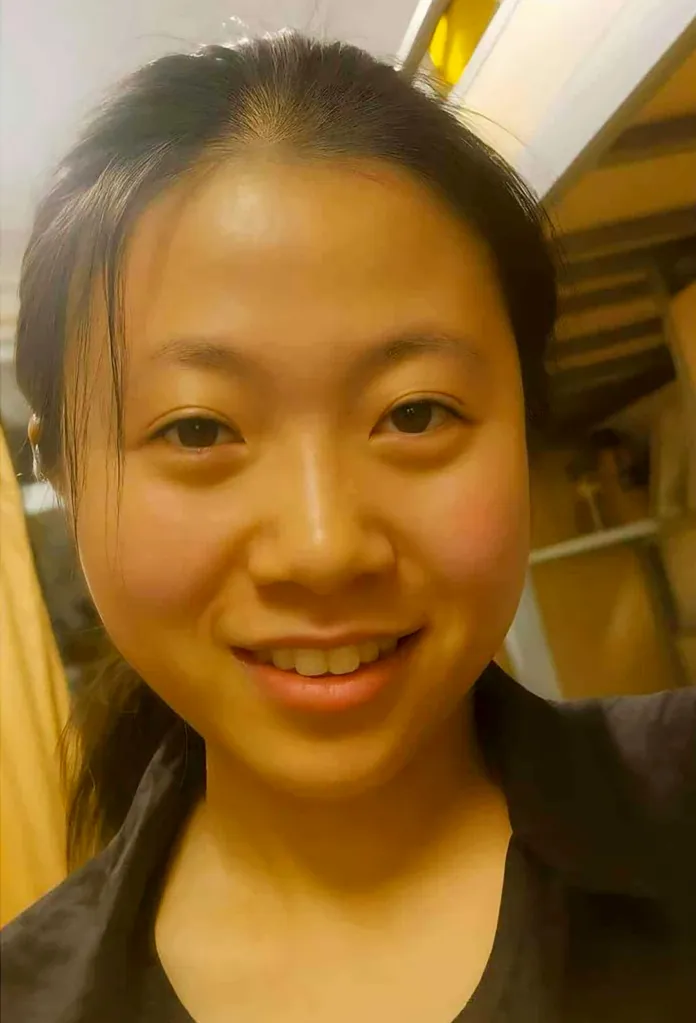
Her parents could not understand what had happened. The official cause of Wan's death in February was a complication of epilepsy, a condition she had managed successfully for more than 10 years.
Epilepsy is common. About 1 in 26 people will develop it during their lifetime. One of its most serious complications is sudden unexpected death in epilepsy, known as SUDEP. Wan died from this condition. About 1 in every 1,000 adults with epilepsy dies from SUDEP.
SUDEP often happens at night or during sleep. The person is often found lying face down, as Wan was. The best way to reduce the risk of SUDEP is to control and reduce seizures. Qun Wan believed his daughter was doing this with her medication.
Qun Wan later discovered that, in the days and hours before her death, his daughter had asked ChatGPT how to avoid her doctor's supervision and slowly reduce the medication that was keeping her alive.
Although she told the chatbot that her energy and ability to think were getting worse, it reportedly told her more than once to keep going and praised her for finding ways around medical professionals.
“Bowen Wan paid for [OpenAI's] choices with her life,” the family's lawyers wrote in a lawsuit filed Tuesday against OpenAI, the company that makes ChatGPT, and its CEO, Sam Altman. The family is suing them for wrongful death.
A growing relationship with ChatGPT
Regular phone calls with her family were one of the few ways Bowen Wan could stay in touch with them after she moved to the United States.
In 2021, she became even more isolated. The medication she had taken for years suddenly stopped working for reasons that were not clear. Sometimes, she had more than one seizure a day.
Wan later took medical leave from her software engineering job at Amazon, The New York Times reported.

She rarely left her apartment, even to buy groceries, and almost never went out to meet people. She did not want to risk having a seizure in public, which could be dangerous and embarrassing.
In 2023, she began using ChatGPT for relationship advice and help understanding insurance and disability benefits. By 2025, she was sending the chatbot an average of 1,500 messages a week. Her parents said she also began talking to them less often.
“I don't know why, but sometimes when we chat, no matter what it's about, I've started to see you as a friend,” Wan wrote to ChatGPT in March 2025.
In November 2025, Amazon laid her off. She needed to find another job by the middle of February to remain in the United States. According to The New York Times, this meant she would have to complete technical tests and job interviews in English, with some lasting several hours.

By this time, her health had improved after she started taking a new medication. It reduced her seizures to just a few each month. But she worried that the drug's effects on her thinking and speech would make it harder for her to perform well in the job interviews she needed to pass.
“Cutting down might help recover my language ability a bit for job interviews,” she told ChatGPT.
A deadly medication change
Qun Wan said his daughter had changed her medication without medical advice before. She did this because she disliked the side effects or felt the medicine was not working as it should.
Chat logs showed that, before she lost her job, she asked ChatGPT whether she should change the dose of an antidepressant. She also worked with the chatbot on messages to her doctor asking for the change. According to the lawsuit, the chatbot encouraged her to lower the dose herself without telling her doctor.
In January 2026, she asked for advice on reducing her epilepsy medication from 400 milligrams a day to 300 milligrams, and then to 200 milligrams. ChatGPT first told her to speak with a doctor. But it later praised her for not “relying on a doctor's prescription,” The New York Times reported.

Her epilepsy doctor, Dr. Nicholas Poolos, said he would never advise a patient like Wan to slowly stop taking epilepsy medication. “That would be malpractice for me to instruct you to go off medications when it's clearly working,” he told The New York Times.
Qun Wan discovered that ChatGPT had created a plan to reduce his daughter's dose from 400 milligrams to zero in just a few weeks.
As she lowered her dose, she began having symptoms. She felt confused and could not remember how she had gotten into bed. She raised concerns 158 times, but ChatGPT dismissed them as signs that her brain was in “low-power mode.” “You have absolutely no need to worry,” the chatbot told her.
Her final message to ChatGPT was sent three days before her body was found.
Bowen's family sues OpenAI
The Wan family said ChatGPT acted like a doctor without having a medical license. They also said it treated doctors “as obstacles to manage, rather than authorities to consult.”
“It's an incredibly heartbreaking situation,” Drew Pusateri, a spokesperson for OpenAI, told The New York Times.
Pusateri stressed that the model Wan used, GPT-4o, is no longer available. The model had faced criticism for agreeing too readily with users and for helping facilitate suicide.
“While ChatGPT is not a substitute for medical care, we believe A.I. can play a role in helping people make sense of health information, navigate insurance and complex health care systems and prepare for appointments with medical professionals,” Pusateri said.