
Anthropic is spending millions to protect Dario Amodei and employees- Moneycontrol.com
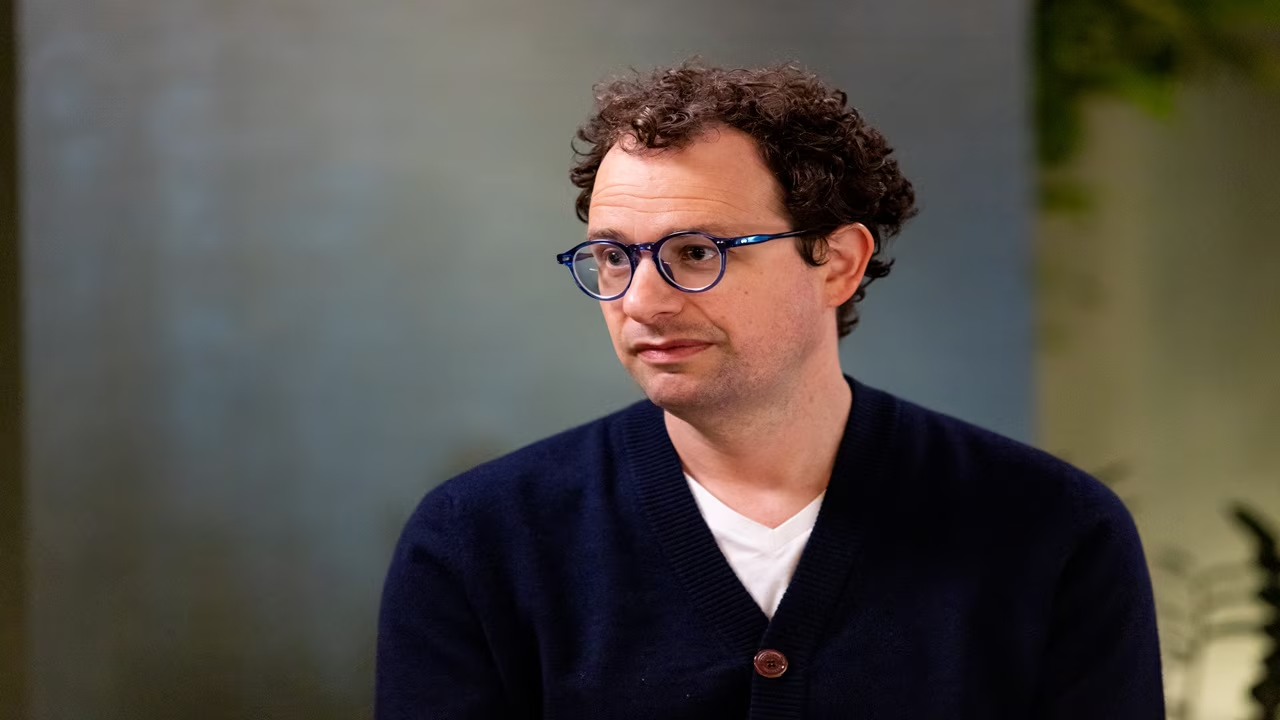
Anthropic spent a total of $4.1 million in 2025 on security for CEO Dario Amodei and President Daniela Amodei. The AI company warned that physical safety risks, digital threats, and attempts to secretly enter the company through its workforce were increasing.
Anthropic PBC’s filing for its planned initial public offering (IPO) gives a rare look at how seriously the company takes threats to the physical safety of its executives and employees.
The company spent a total of $4.1 million on security for Chief Executive Officer Dario Amodei and President Daniela Amodei last year. That was about 30 times the median amount of roughly $135,600 spent by S&P 500 companies, according to Equilar, a research firm that studies executive pay.
“Those values are larger than what we typically see companies pay for security,” said Courtney Yu, Equilar’s director of research. However, some well-known companies spend much more to protect their top executives, especially after the 2024 killing of the UnitedHealthcare CEO, he said.
AI leaders have already become targets. In April, San Francisco police arrested a man who threw a Molotov cocktail at the home of OpenAI CEO Sam Altman.
Anthropic’s security spending would rank seventh among S&P 500 companies. It would be behind companies such as Meta Platforms Inc., which spends $22.5 million on security for CEO Mark Zuckerberg and his family, and Alphabet Inc., which spends $8.8 million to protect CEO Sundar Pichai.
Anthropic, which is based in San Francisco, spent $2.8 million on security for Dario Amodei. This puts him among the top 5% of S&P 500 executives whose security spending has been reported, according to Equilar. Security for Daniela Amodei cost $1.3 million, putting her among the top 10%.
Anthropic, the company behind the Claude chatbot, faces growing public anger from people who fear AI will take their jobs and from those upset about the construction of huge data centers in their communities. In its filing announcing its planned IPO, the company said, “Heightened public attention on AI has increased physical and informational security risks.”
Earlier this year, Bloomberg asked the Amodei siblings in an interview how the attack on Altman’s home was affecting them. “This is a time technologically, politically, where unfortunately there’s just a lot more rhetoric and words that I think can lead to bad outcomes and bad things happening,” Daniela said. “Obviously, it’s something we think about at Anthropic. We try our best to keep ourselves and our staff safe.”
“It was scary to me too,” Dario said. “I mean, this is like a less savory aspect of the exponential, right? That as AI gets more and more of a big thing, it becomes just such a big deal to society. There’s more attention on it. And that means that more people are paying attention and 0.1% of those people are crazy.”
“We need to protect ourselves and the company,” he added. “We're doing everything we can.”
Threats against employees could also make hiring more difficult, the company said. In its filing, Anthropic said, “We have experienced threats to employee safety and attempts to obtain confidential information through physical or digital means.” The company warned that these threats “could adversely affect employee morale, productivity, and our ability to attract, retain and motivate highly skilled personnel.” It said these risks could be greater because its remote-work policy allows employees to work from home most of the time.
Rob Peters, a senior director at Intelligize, a platform that researches filings submitted to the US Securities and Exchange Commission (SEC), said this kind of disclosure was “fairly unique.” Few other public companies clearly mention risks to employees’ physical safety in their filings, he said. One example is Harmony Gold Mining Co., a South African company that identifies gold theft as a possible threat to employees.
Anthropic also warned that government-backed groups or competitors might pressure or bribe employees and contractors to reveal sensitive information or give them access to internal computer systems.
This concern is especially relevant because an OpenAI employee was arrested this month for allegedly placing a hidden recording device in an executive conference room at one of OpenAI’s offices in San Francisco. The employee, a Saudi Arabian national, was not allowed to enter the room, which was often used for confidential meetings.
To deal with threats to employee safety, Anthropic said it needs to hire “specialized security personnel,” who may be difficult to find.
Former employees said Anthropic already has a security team working around the clock to protect staff. All employees and contractors receive safety training and can call a hotline if they are in danger. One former employee, who asked not to be named, said they were surprised and impressed when the security team called to offer help with evacuation immediately after a shooting nearby.
Anthropic declined to comment.
The filing also said that people with harmful intentions have tried to enter the company through its hiring process.
Anthropic said, “We have been and expect that we will continue to be targeted by individuals seeking employment under false identities, or with ulterior or malicious motives for seeking employment with us.”
Companies in many industries have seen more fake job applicants in recent years. These include individual scammers and hackers backed by governments. However, Anthropic’s disclosure is unusual. Companies typically describe threats from harmful actors in their filings as cyberattacks, rather than as attempts to enter the company through its hiring process, Peters said.